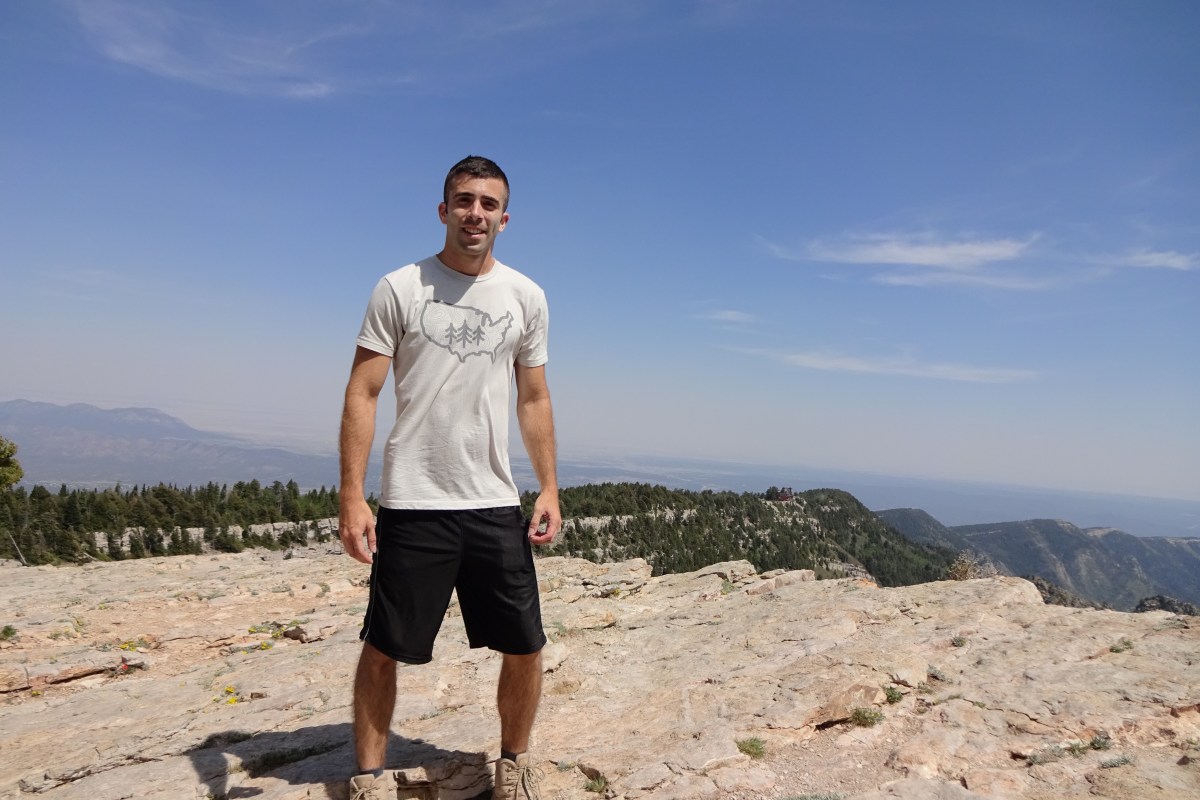
My visit to Albuquerque was a pleasant one despite the fact that my gum infection was raging on and I was in a continual nuisance of pain. The night before my day of Albuquerque exploration I had a hard time sleeping as the pain was throbbing and so bad that it was creating a vibration sensation in my ears. I took some Tylenol and was able to sleep a bit on-and-off. In addition to the pain was the anxiety that this infection could escalate to the point that it could hinder or even stop my summer adventure.
I was visiting my cousin Rachel, her husband Alex, and their four year old son Malcolm. They devoted the whole day to introducing me to the city and sites of Albuquerque. It was a brightly sunny day and we started with a visit to Old Albuquerque, the historic center of the city from its founding in 1706. Here the church of San Felipe de Neri stands overseeing Old Town Plaza, the birthplace of the city, which is very reminiscent of the zocalos I’d seen in the center of many Mexican cities. It had pathways, areas of green grass, benches, and a gazebo for occasional performances. Surrounding the square were narrow streets with adobe structures one after another boasting artisan shops and local eateries. After taking our picture together in front of the church we went into a few stores and I saw the touristy nick-knacks and patty-whacks. I did not buy anything except a sticker of the Sandia Mountains. I knew we’d soon be going up them. I found it humorous that Sandia is a Spanish term for watermelon. I thought it was a coincidence but Rachel explained how the mountains can look pink with the sunset cast upon them in the evenings. We also stopped by Old Barrel Tea Company where I bought myself a cup of iced tea.

Here in the old town I also called my dentist’s office to see if they could prescribe any antibiotic for my gum infection. They informed me that they could not send a prescription to another state nor give me any recommendation except that the best thing I could do was to schedule an appointment to see a dentist in New Mexico. Given that the dentist would most likely be out of the insurance network and unreachable in a reasonable time frame, I realized I was on my own and was very disappointed in the healthcare system. This situation weighed heavy on me.
For lunch I enjoyed some New Mexican fare. I did not know that New Mexican cuisine is its own category. It’s a fusion of the cuisine of Pueblo Indians, Mexican, and Spanish and it incorporates a lot of local spice. I thought my experiences having studied and lived in Mexico would be enough to understand the menu, but I needed a little explanation. I had enchiladas de carne adovada with red pepper sauce. Carne Adovada? Pork slow-braised in a spicy red chile bath for hours.
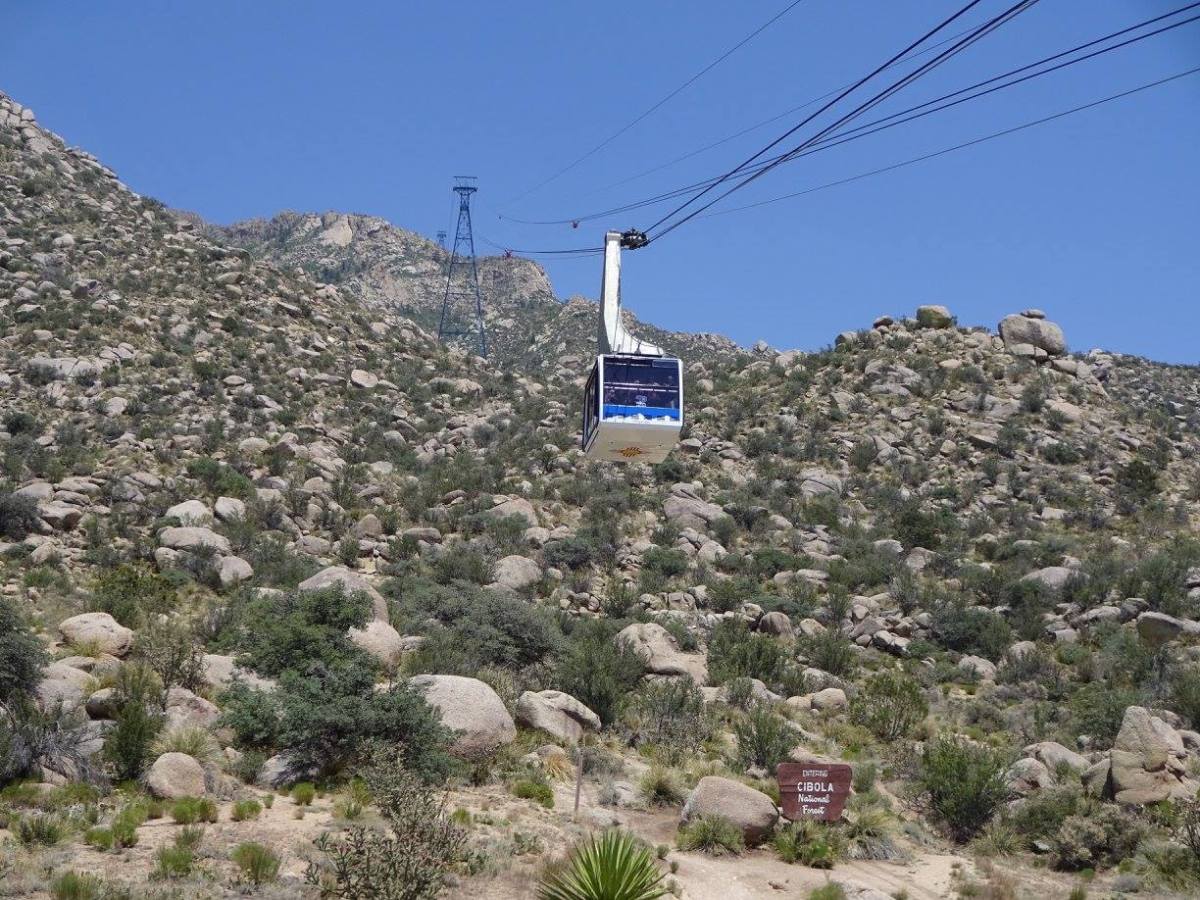
After lunch the highlight of the day came, our trip up to the top of the Sandia Mountains on the Sandia Peak Tramway. Leaving the desert floor the tram glided above the Cibola National Forest. Below were a plethora of rock jumbles and desert shrubs hugging the sides of the mountain. Higher up pine trees started to make their appearance. The tram was very much like the one in New York City that travels between 59th and 60th street and over the East River onto Roosevelt Island but unlike that one, this one ascends 5,300 feet. In the winter this is also used as a ski lift but now in summer its a scenic tram ride. At the peak there are trails that venture off into the mountains and a platform to observe the city of Albuquerque so far below that it’s nearly unrecognizable.
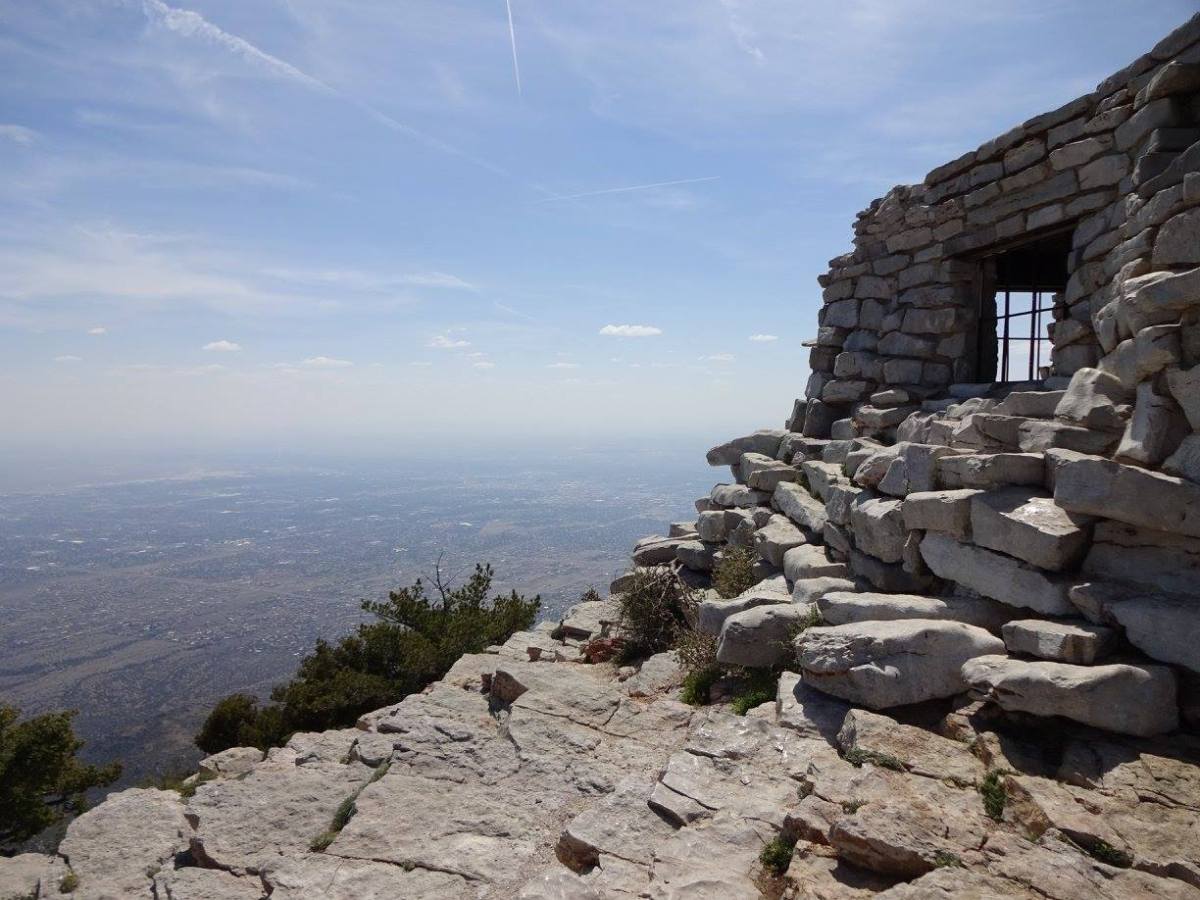
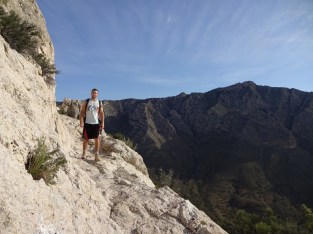
Up here in the mountains we all started off on a short trail together, but I traveled a bit further as the rest went back to the lift area. I didn’t want to keep them waiting for me long, so I ran the trail two miles to the Kiwanis Cabin. An old rock shelter built by the Civilian Conservation Corps in the 1930s. The work of the Civilian Conservation Corps pops up in various National Parks, National Forests, state parks, and other public lands. I enjoy coming across their work because the quality and rustic craftsmanship is to be appreciated. Not only have they built cabins and lodges but also park roads, bridges, and trails. They are no longer in existence but functioned as a voluntary work relief program for unemployed young men primarily in the 1930s. This was a part of Franklin D. Roosevelt’s New Deal, which I am very hesitant to praise, but I am grateful for this part of it. Up here by Kiwanis Cabin I was at a rock protrusion. I enjoyed the great unobstructed view of the world below.
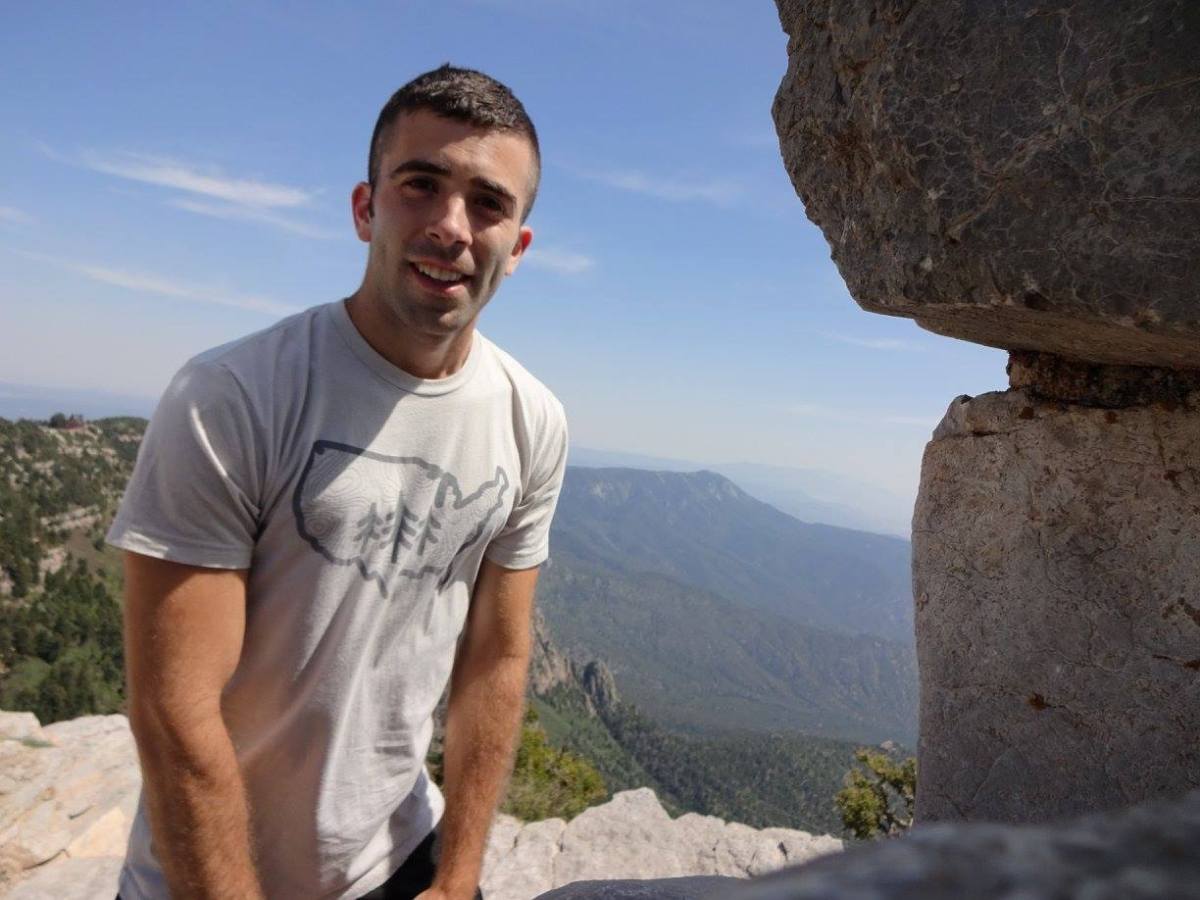
On my way back, on the narrow path between the trees, I began to pray to God about my gum infection and about this trip in general. I felt a great sense of peace come over me. All of my anxiety regarding my gum infection was hushed. Also up here in the mountains I felt way more in my element. I enjoyed Albuquerque below but something about the cooler mountain air was soothing. And amongst the pines and aspen I felt in the company of reassuring friends. The sweet smell of the western pines, brought back memories of prior summers, rekindled my spirit of adventure, and made me feel alive and vigorous.
After joining back with the others, we soon descended the mountain on the tram to the mainland. We stopped by a Bubble Tea cafe before heading to the house.
Back at Mesa del Sol I was able to kick off my boots and relax. I brought together all the stickers I had accumulated on this trip so far and began to sticker up my new dark green Nalgene bottle. I have a new tradition that each summer I buy a Nalgene and place stickers all over it from the parks and destinations I visit. I use the water bottle all summer, and then I retire it to a display shelf. Sometimes I’ll pull off a bottle from the past and use it again, but mostly they are momentums from the summer trips, and as I look over the bottle in hand, with all its stickers, I’m reminded of all the memories. Malcolm even made me a sticker for my bottle of his house, and although the bottle did sport it for a long while, eventually it fell off.
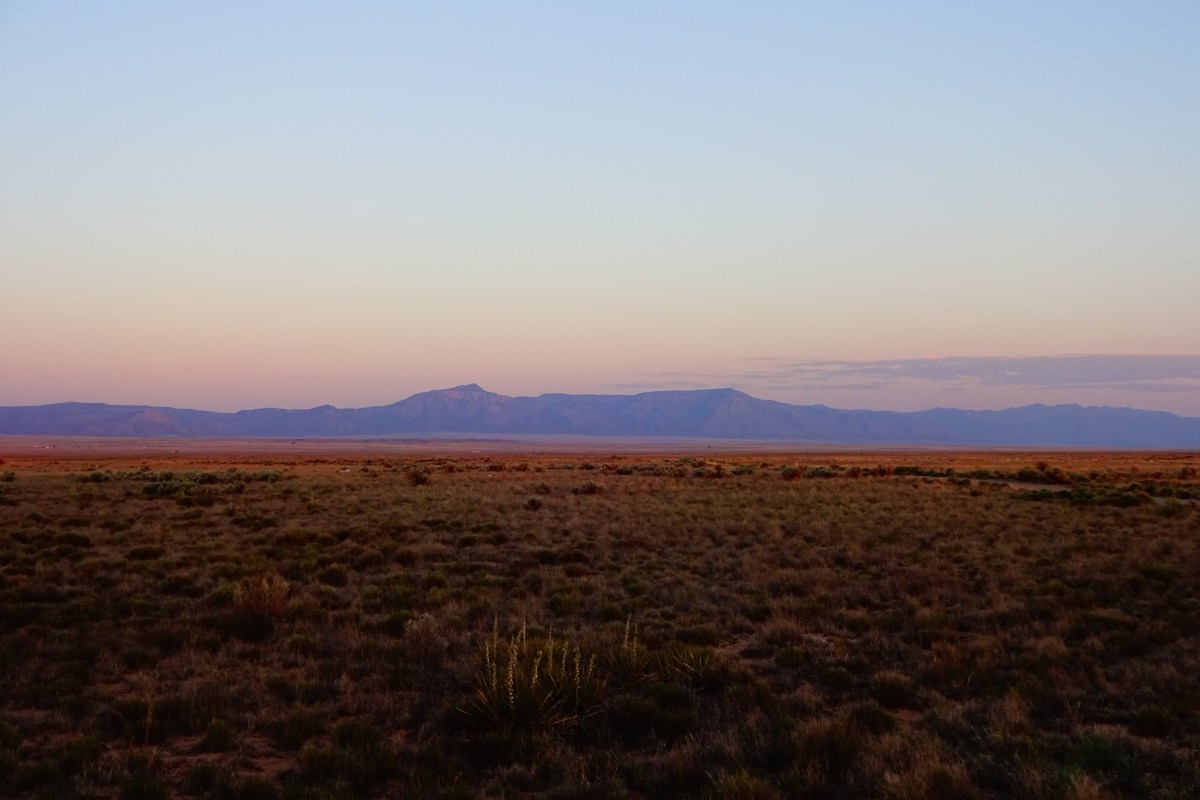
In the evening, nearing sunset, I went for another walk around the neighborhood. This time solo. I observed the Sandia or Watermelon Mountains in the distance and the pinkish color they reflected in the evening. I also walked by the Albuquerque movie studios. Out back they had the facades portraying an old Western main street for a Western sci-fi Netflix series in production.
Back at the house I visited with Rachel over yet another cup of tea. I learned that both Rachel and I have an affinity for hot teas of all kinds. I then told Rachel how I thought Malcolm looked like the child and protagonist, Elliot, from the recent Disney movie Pete’s Dragon. We ended up watching the movie. It is one of my favorite Disney movies. It makes sense for me taking place in the Northern woods, having a park ranger as a major supporting actor, and symbolically tying in themes and messages about life and spiritual matters. It’s soundtrack had been the background music for much of my traveling this summer.
And like this my visit with my Cousin Rachel and family came to an end. The following morning, I would hit the road. Just as one of the songs from Pete’s Dragon repeats, I would “go north,” and make my way to Colorado.
Read my previous episode “From Carlsbad to Albuquerque?” here: https://joshthehodge.com/2020/03/05/from-carlsbad-to-albuquerque/
Check out my new book “Canyonlands: My Adventures in the National Parks and the Beautiful Wild,” here:
https://www.amazon.com/dp/1711397873/ref=cm_sw_em_r_mt_dp_U_UjGjEbYBGF4PR






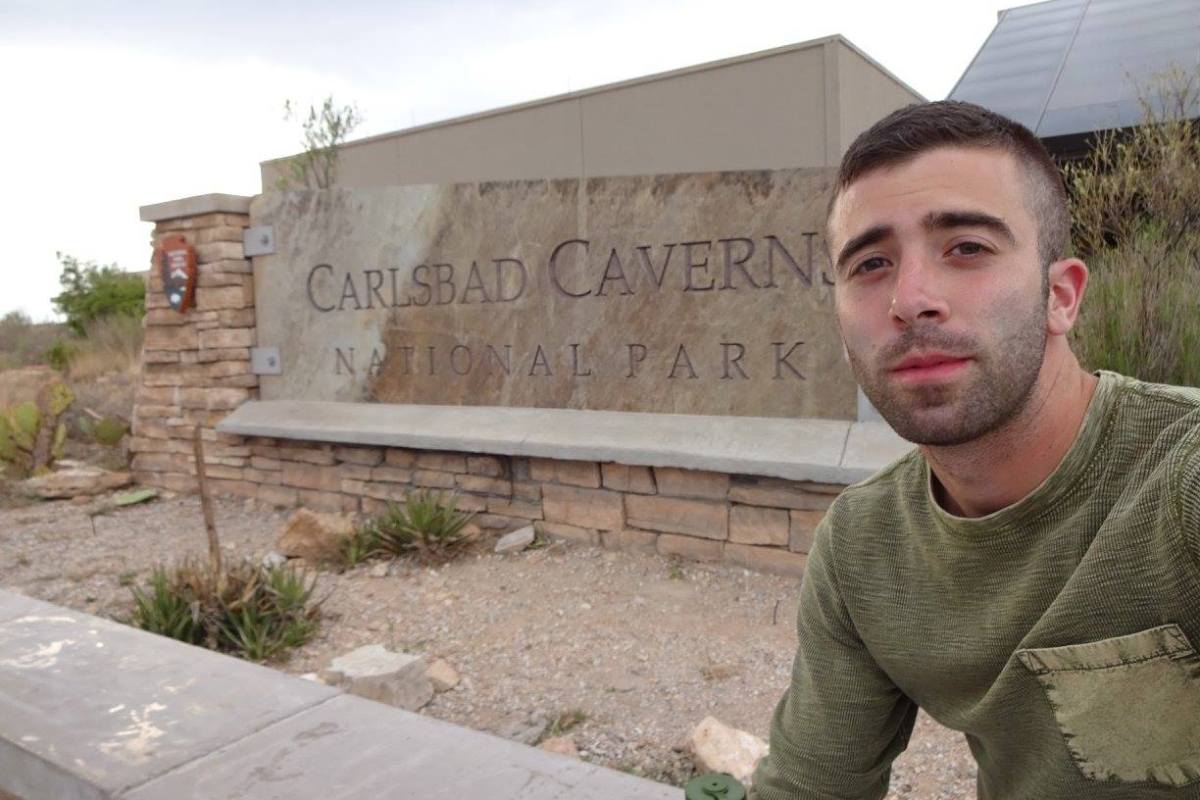
 During the tour, in which we made our way through the undeveloped section of the cave on a dirt path, the ranger presented the history of the discovery of the cave. According to the National Park Service “
 Although I very much enjoyed the tour, afterward things got increasingly fascinating. I was told that if I wanted to take the elevators back up to the visitor center I would have to soon, because they would be closing for the evening. If I chose not to, I’d have to hike my way out of the cave. Of course I opted for the latter choice. This gave me time to explore the Big Room of the cave and have a sandwich. I found it unique to order food and eat at the Underground Lunchroom. Back in the early days of the park there was an actual kitchen down in the cave, but because of food preparation causing damage to the cave, food started to be prepared outside of the cave and sent down.
  With a burst of excitement I went from one feature to the next, but then made the same walk again to quietly savor the surroundings and be filled with a sense of wonder. I could easily imagine I was on another planet, a more desolate one. When I was done pondering and wandering I began my ascent to the cave entrance. It was all a gradual uphill hike, along a paved path. The passage narrows and widens from one set of switchbacks to another. I was the only person on this path. Despite other parts of the park and the visitor center being quite busy, I didn’t see a singular person for the entire ascent. I felt like I had Carlsbad Caverns to myself. As I got closer to the cave entrance I began to hear chirping overhead. I looked up and saw small dark creatures flying near the roof of the cave.
  Back at the visitor center I told a ranger what I experienced. I would be informed that they most likely weren’t bats but cave swallows. Also in the visitor center I watched the park film and bought a pin for my collection. Then after killing a bit of time, I went back outside to the amphitheater located right at the mouth and natural entrance of the cave. It was time for the nightly bat flight program. A ranger would talk about bats and then around sunset the bats would come flying out of the gave in a grand spectacle. So, as programmed, a ranger talked about bats feeding on bugs, especially mosquitos, and how the tendons in a bats hands are designed opposite of ours. To expand their fingers from their fist it requires strength, but a fist tightly clenched is in the nature relaxed position. This is how they are able to cling onto things and one another and hang upside down. The ranger talked about the immense size of the bat population between 200,000 and 500,000 in the cave and how bat, guano a.k.a. bat dung, was once harvested from Carlsbad Caverns for its value as a nutrient rich fertilizer.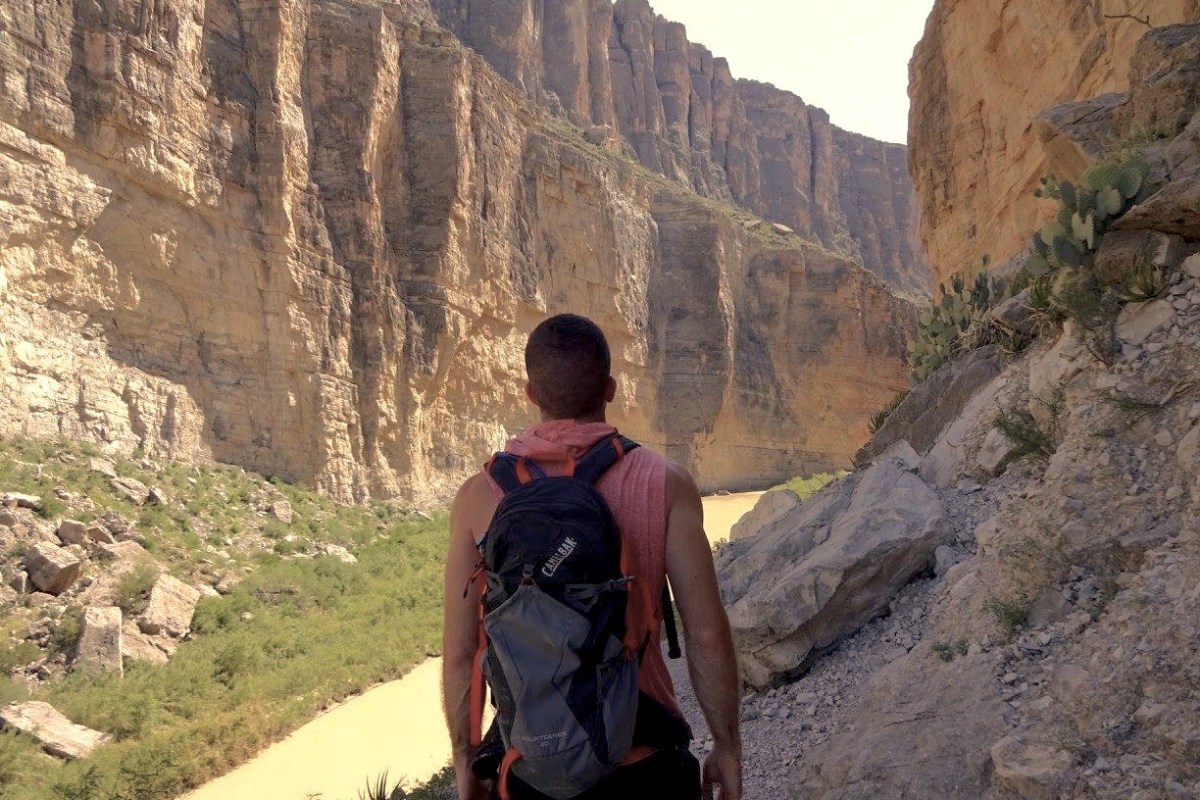
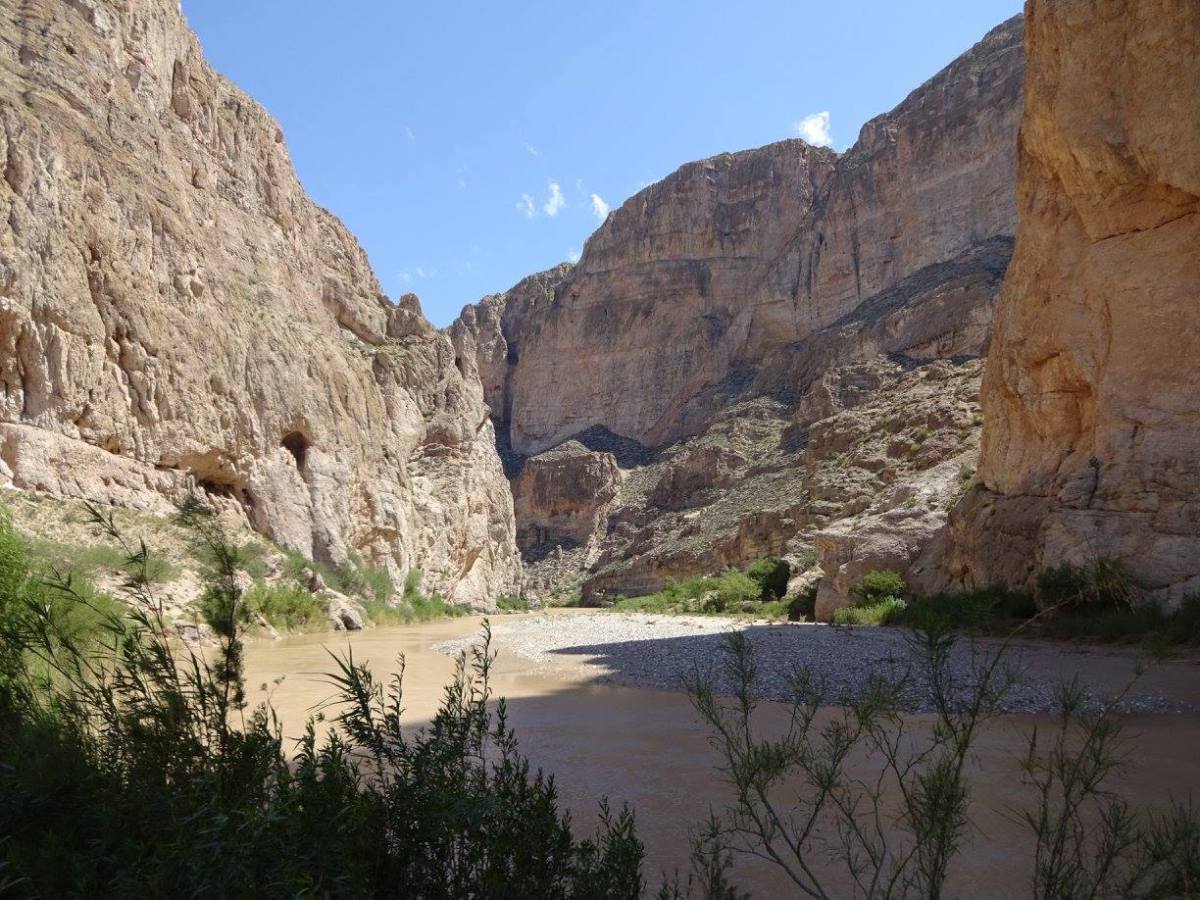 Eventually, after a brief moment of uncertainty, I arrived in Santa Elena Canyon where giant cliffs forming the canyon walls measure 1,500 feet. Here one cliffside is Mexico and the other is the United States of America, and the Rio Grande flows in a murky pale brown in between. On the U.S. side, about halfway down the cliff faces, rock erodes leaving piles and a bar alongside the river where trees and other plant life grow. This is where the established trail is found.
 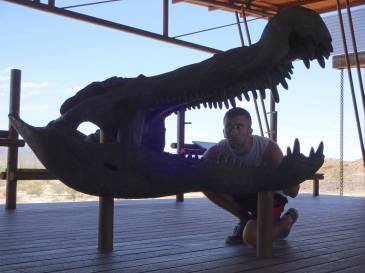 The visit to Santa Elena Canyon was near the end of my day’s adventure. This morning I ventured out in my car to travel the whole expanse of the park and get a sampling of all it has to offer. I first stopped at the Fossil Discovery Exhibit. I learned all about the terrain and dinosaurs that used to live in this shallow sea. I even got my picture with a cask of the
 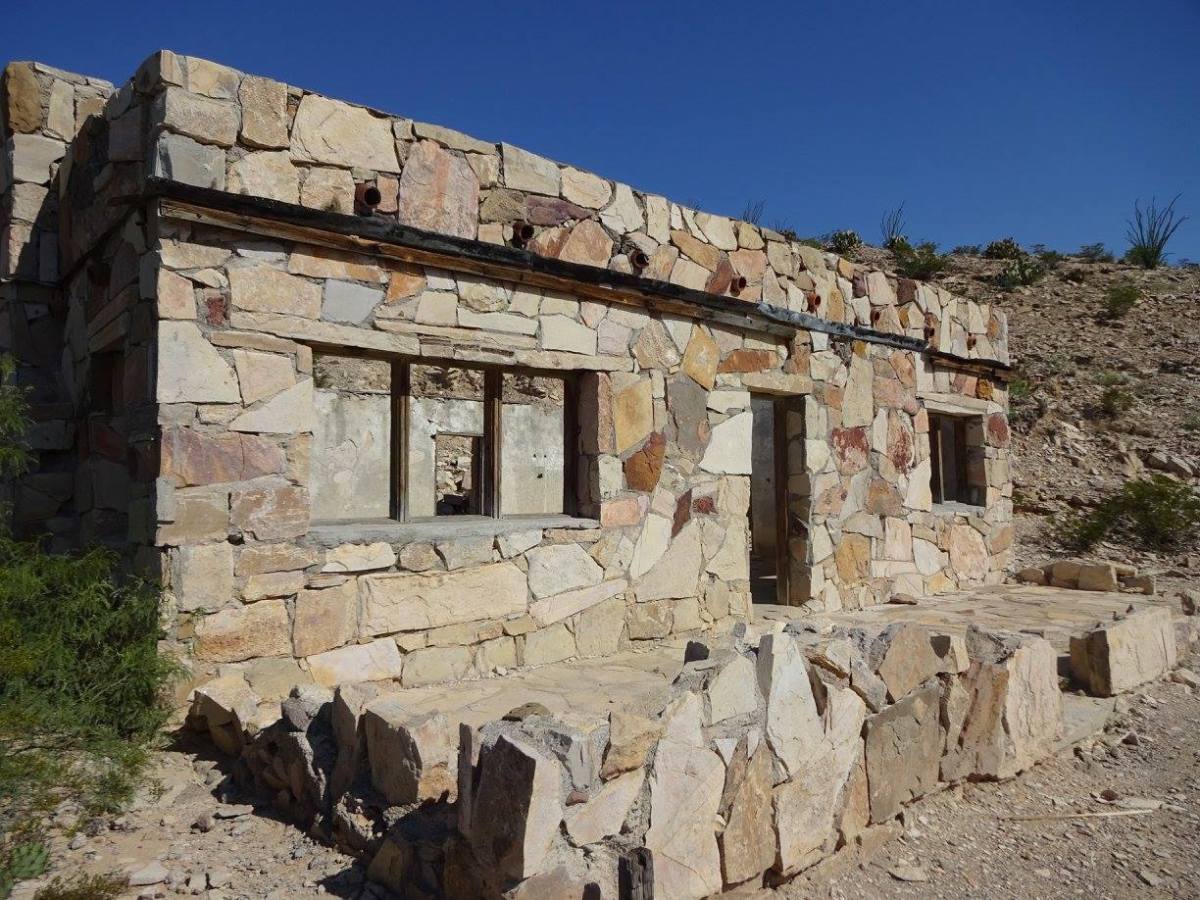 I observed the remnants of the old post office and bath house that used to stand on site. On the half mile hike to the hot spring, I got hit with an overwhelming sense of insecurity and uneasiness. I felt like I was being watched. Something was not right. Then, next to the trail, I came upon a grouping of small Mexican animal figurines “alebrijes” standing on the ground by a plastic jar with a slit cut in the top for money collection.
  When I crossed the expanse of the park and was nearing the West end to visit Santa Elena Canyon I stopped at
 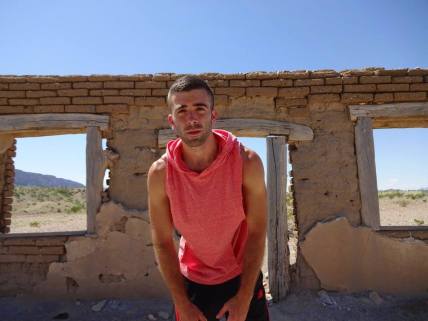 My final stop before venturing into the canyon was a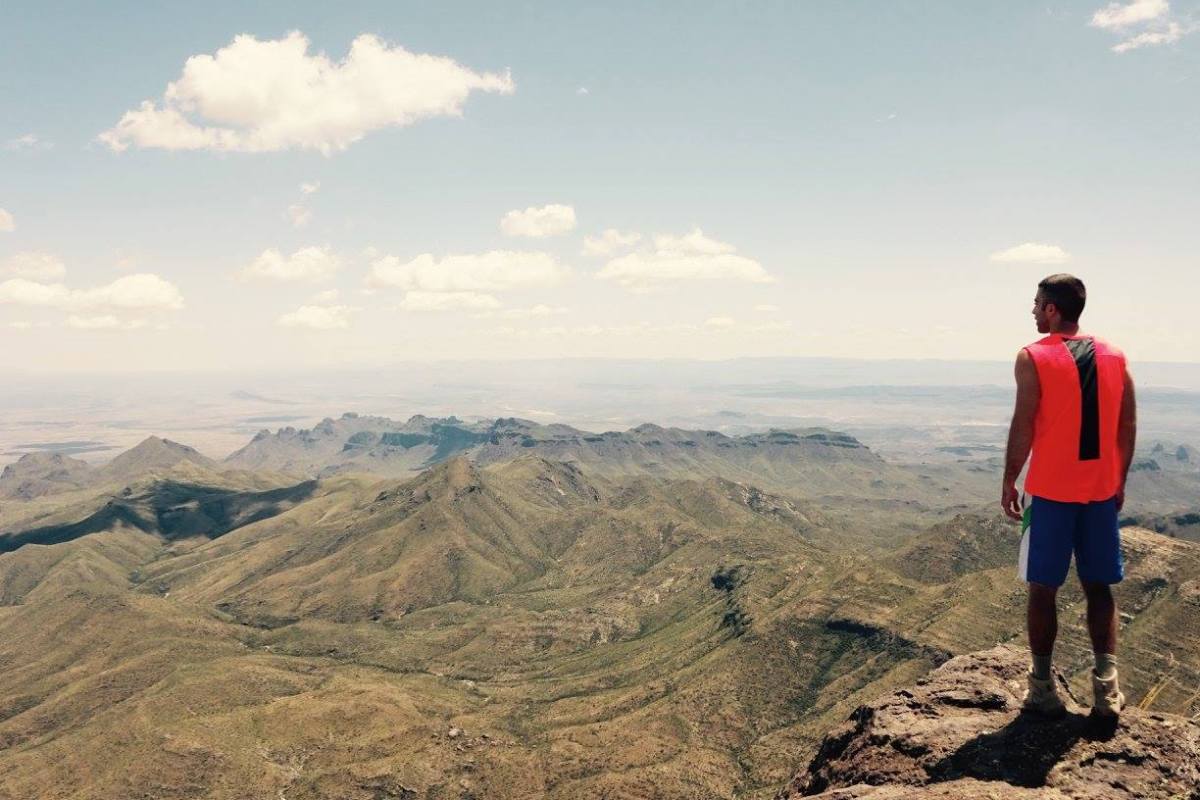
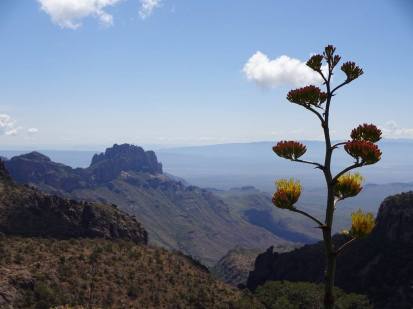
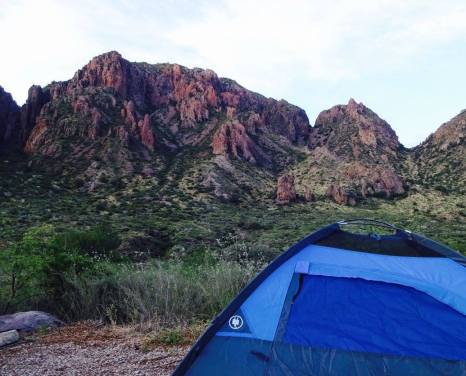

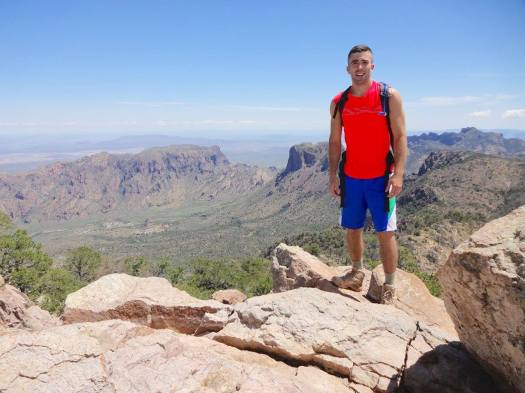
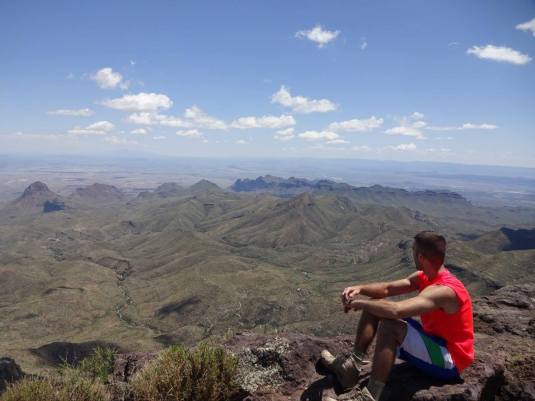

 Leaving the lodge I drove Park Road 3A, also known as the Skyline
 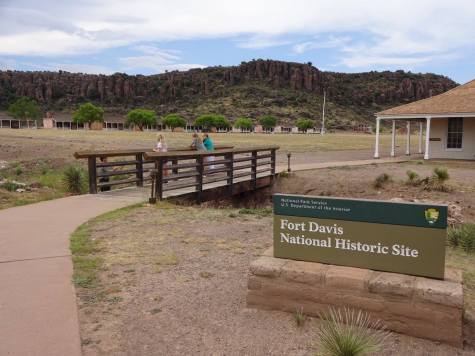 Four miles from the State Park is Fort Davis National Historic Site- a unit of the National Park Service. It actually attaches to the State Park by a trail, but I didn’t have the time to hike there and back. I didn’t know why there would need to be a fort out here in seemingly the middle of nowhere Texas, but I would learn, and I was excited. Any unit of the National Park Service interests and excites me. All of the National Park Service’s sites tell one big story, the narrative of the United States of America. At each one I see my eyes opened to moments in history I didn’t know, and not only do I obtain the knowledge, but being in the actual place where these events took place, and seeing them with my own eyes, helps me imagine and obtain a greater depth of relation to the events. I love it!
 Today exploring the park is really stepping back in time to a unique era. The Park Service has preserved and restored many of the buildings. This fort is not what we typically think of as a fort. There is no man made barrier of a wall with artillery and cannons sticking out. Rather it is a series of buildings aligned in a giant rectangle around a common green. The fort is in a large canyon, protected naturally by wide canyon walls and Limpia Creek.
 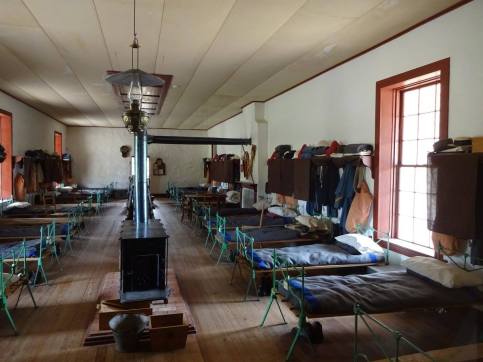 The main attraction of the park is walking in and out of many of the buildings which are furnished to the era. I walked into the barracks. Fourteen beds lined the walls one after another. Apart from a bed, the soldiers were only allowed a few hooks to hang their clothes and a small shelf situated above their beds. In the middle of the building stood a series of coal furnaces. This was very simple. I tried to put myself in the place of the soldiers and imagine what they came “home” to at night.
 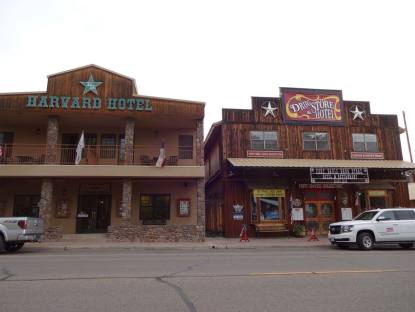 Leaving Fort Davis National Historic Park, I was well pleased. I learned a lot of history. I
 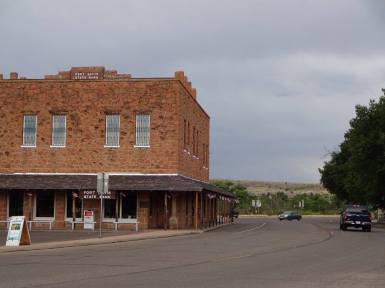 As I waited for my food, I couldn’t help but observe those around me. A group of ladies were in a booth eating together and talking back and forth. They switched from Spanish to English constantly, replacing with seemingly no notable method, certain words with their other language counterpart. A middle-aged man with a cowboy hat, flannel patterned shirt, boots and a grey mustache (everything stereotypical of a cowboy) sat down to order his food. To my surprise he ordered his food perfectly and casually in Spanish. Keepin’ it truly real, from my perspective, a middle-aged white man with a cowboy hat back home in Kentucky would be the least suspected of speaking Spanish. This was not the case here. Spanish and English were truly blended together, and latino rancheros and caucasian cowboys came together with no barrier of language nor culture, no ill-will towards one another, just neighborly friendliness. They were simply gathering over good food.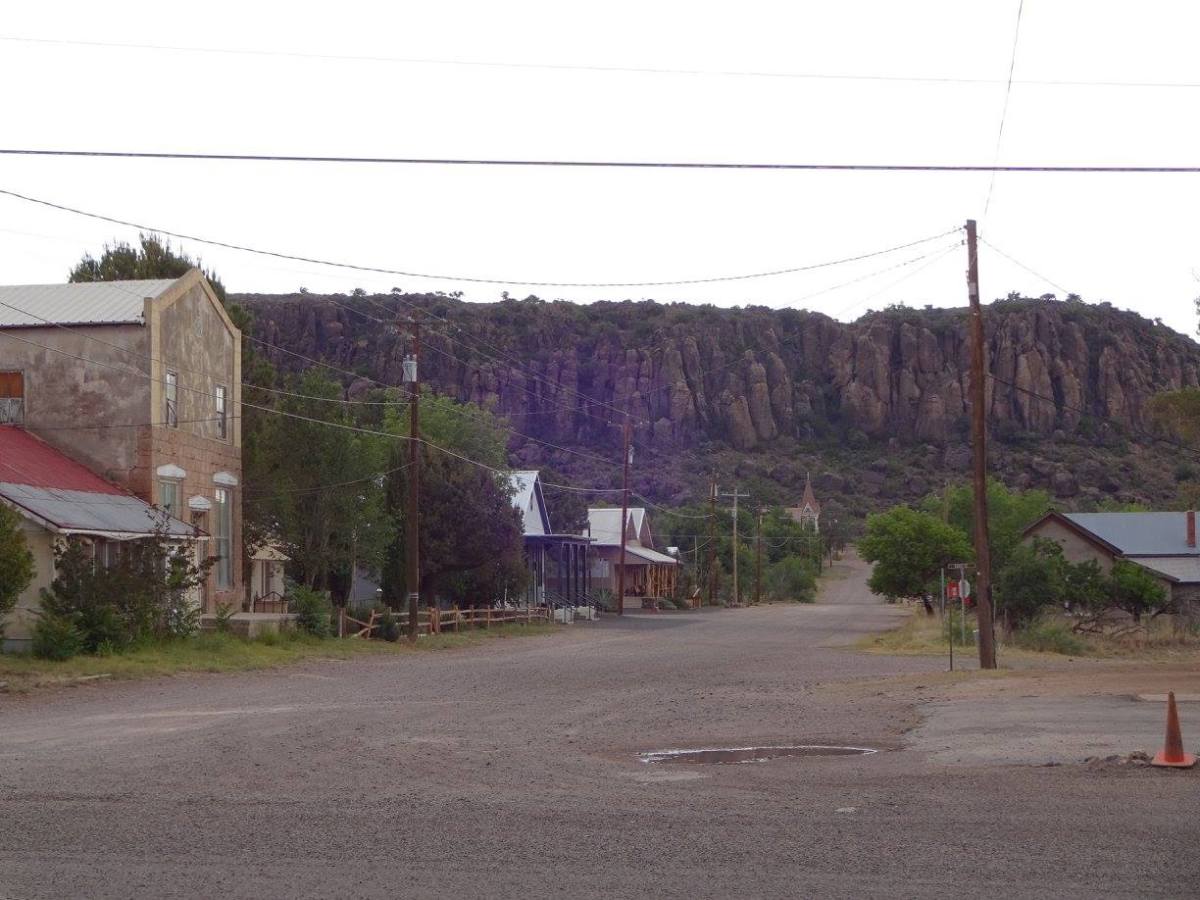
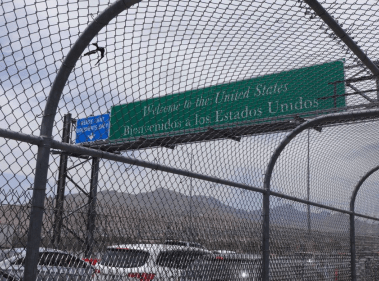 It was a new, peculiar, and patriot moment for me to read the sign above the highway stating “Welcome to the United States.” My visit to Ciudad Juárez is a tale to be further unpacked at another time. I was glad I went, but I was so grateful to be back home and ready to continue on with my U.S. National Park adventure.
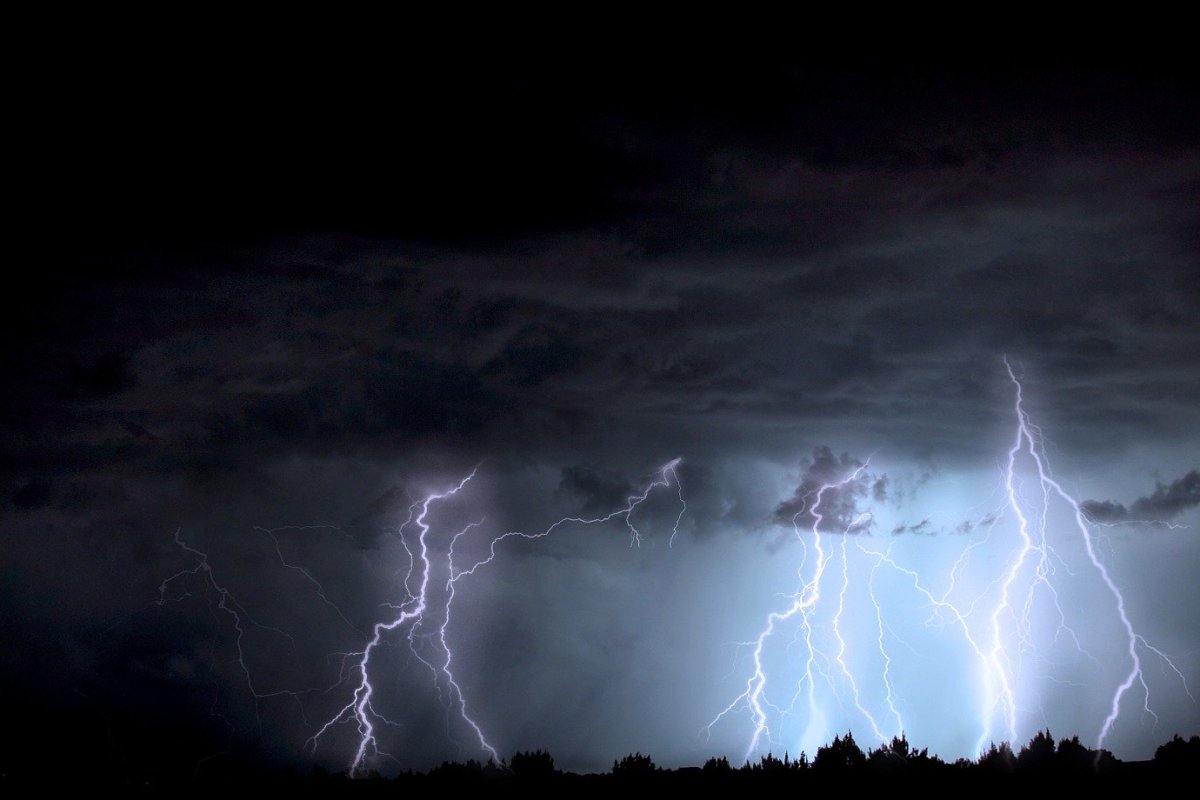
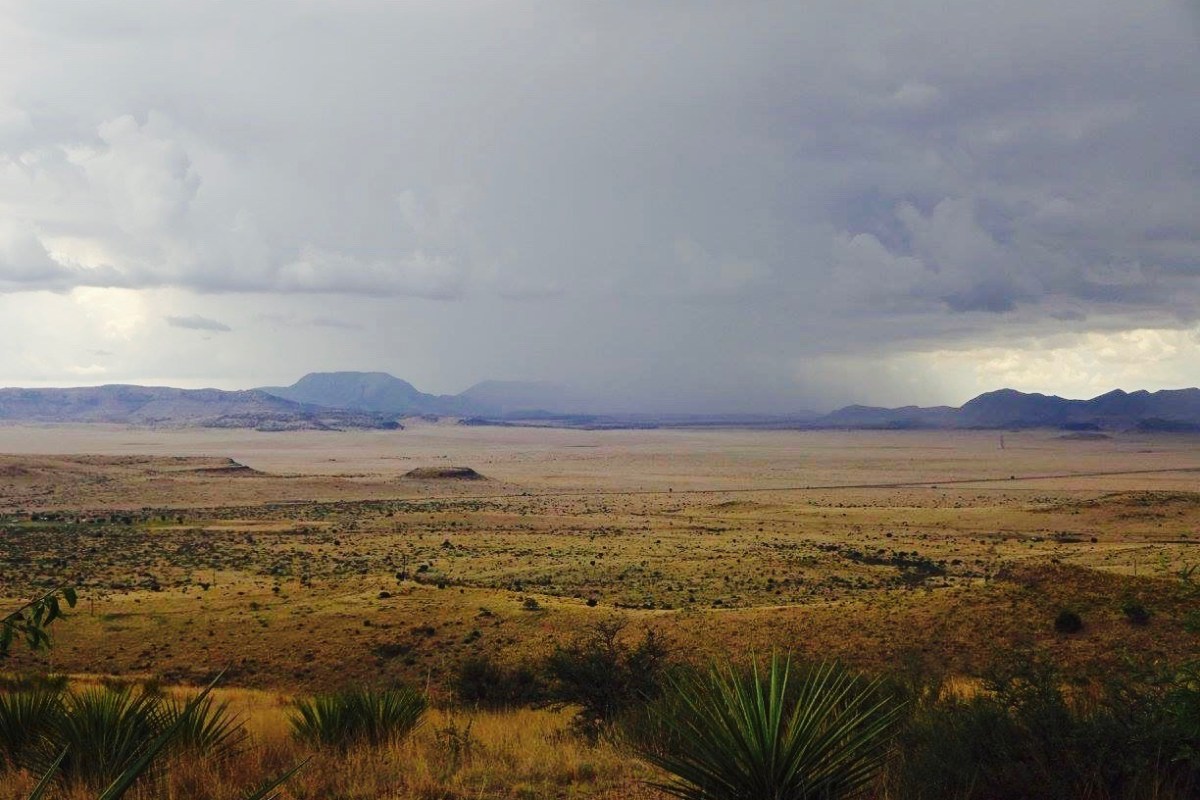
 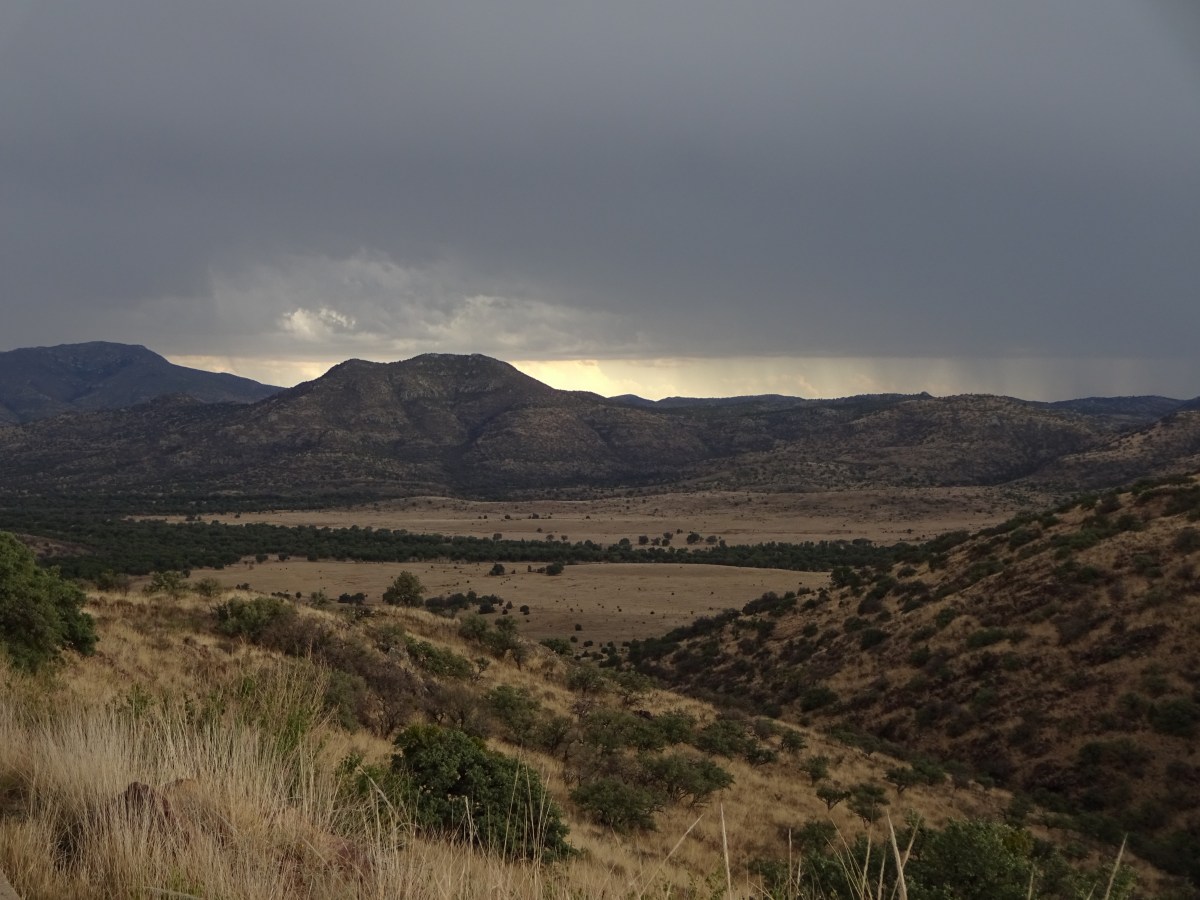 The road wound through countryside and slithered among mountains. At one point I came to a overlook where I looked down across the grasslands and the mountains. In the distance, over the mountains, it was storming. I could see the dark clouds and rain contrasting with a golden sun that was peeking out from the corner of the sky. The contrast in the sky, brought about contrast in the land between the deep greens of the scattered trees to the accents of golden grass.
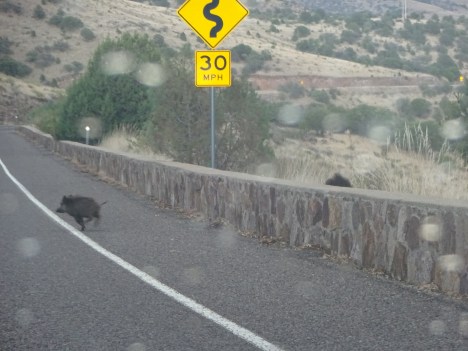 I could sense the arid land giving off a sigh of relief for the rain that would soon arrive. A could feel the tension released in the air. As I continued on my drive, a parade of javelinas jumped a stone wall, scurried across the road, and leaped into the wild grass and brush. These creatures look like wild boar, and although javelina is the same name given to a wild boar in Spanish, these javelinas are peccaries, and unlike boars are native to the Americas. But combine the savanna with a javelina, and the fact I hadn’t seen a business for hundreds of miles, and you could have fooled me to thinking I was out and about somewhere in the African savanna and I’d be prone to see a zebra, or a lion.
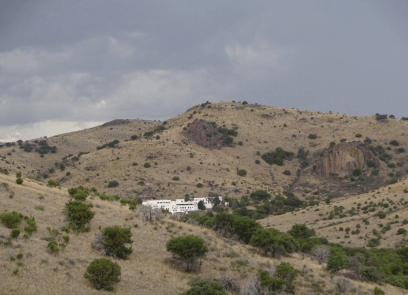 Except for the one elderly couple who asked me for directions at the drop box, whom I couldn’t assist with any knowledge, I didn’t see any other people on my way to the lodge. This place was very quiet.
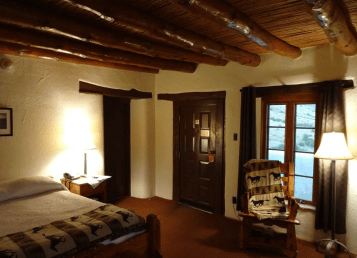 Rustic, beautiful, charming. An old stone fireplace stood with an extending stone hearth. The walls were white abode, the ceiling wooden logs, the furniture hand made of cedar, some original historic pieces from the 1930s. The lamps here and there gave off a warm and homey glow. A rocking chair stood next to the fireplace and in front of the wood framed window with the bright orange sunset. The window on the opposite side was tucked into its own nook where a desk and chair stood, as if looking out intrigued by the view of a tree reaching out its branches. And the bed in the middle was adorned with a beautiful lacework comforter and a blanket depicting running horses and geometric designs, looking like a true piece of native craftsmanship of the area.
 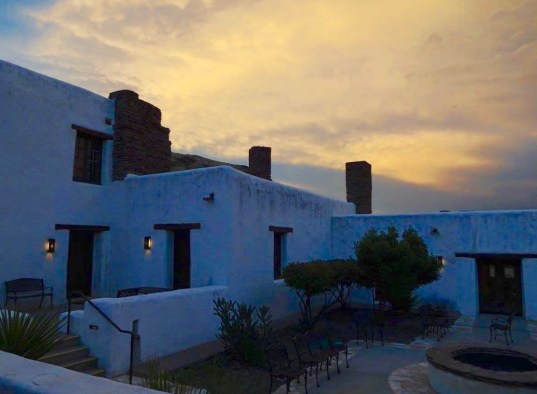 Also pertaining this this vibe was this true lodge feel. Back in the early days of park lodges, arriving at a lodge was sometimes an accomplishment in and of itself. Long horseback rides or wagon trips through challenging terrains would finally lead one to a lodge of comfort and peace. Same situation today. A long and isolated journey through very remote roads to the middle of nowhere, brought me to the Indian Lodge, and the lodge was the only thing here. There was nowhere else to go this evening. This was it. The lodge was its own oasis. Everyone staying at the lodge had nowhere to be but at the lodge. We all had to make comfort and do with our own limited amenities and food. And without distraction, we all shared the sunset together, the maze of the abode structure, and each other’s own company. Although this place was isolated, and it was quiet, I was not the only one here. I believe there was a wedding party staying at the lodge. Clues of confetti, signs, and gatherings of multi-aged people, led me to this assumption.
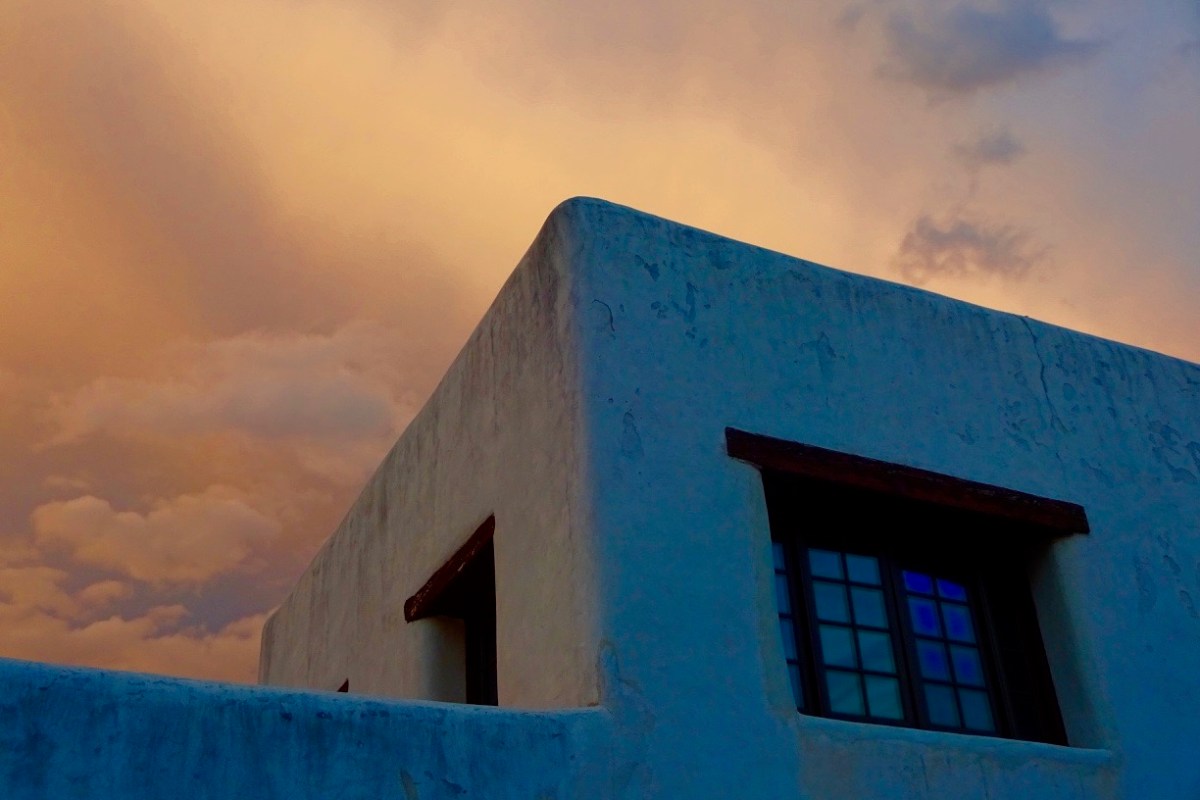
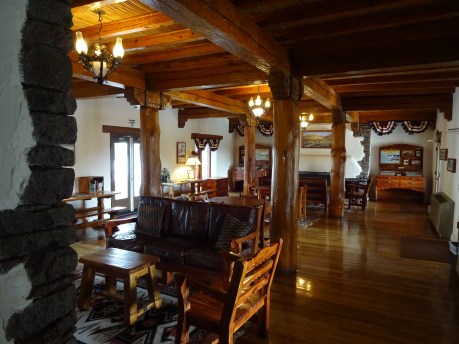 After dropping off my bags in my room, I peacefully explored this village of a structure. The clouds had melted away and the sky above was a calm darkening blue. Going from one adobe island to another from and one terrace and courtyard to another, I sat and enjoyed the remainder of the sunset and listened to the water trickling at a courtyard fountain. I also explored inside. The common indoor area was constructed with beautiful woodwork, old western chandeliers, nooks and crannies to sit and relax, and a small statue and area honoring the work on the Civilian Conservation Corps. I. Loved. This. Place.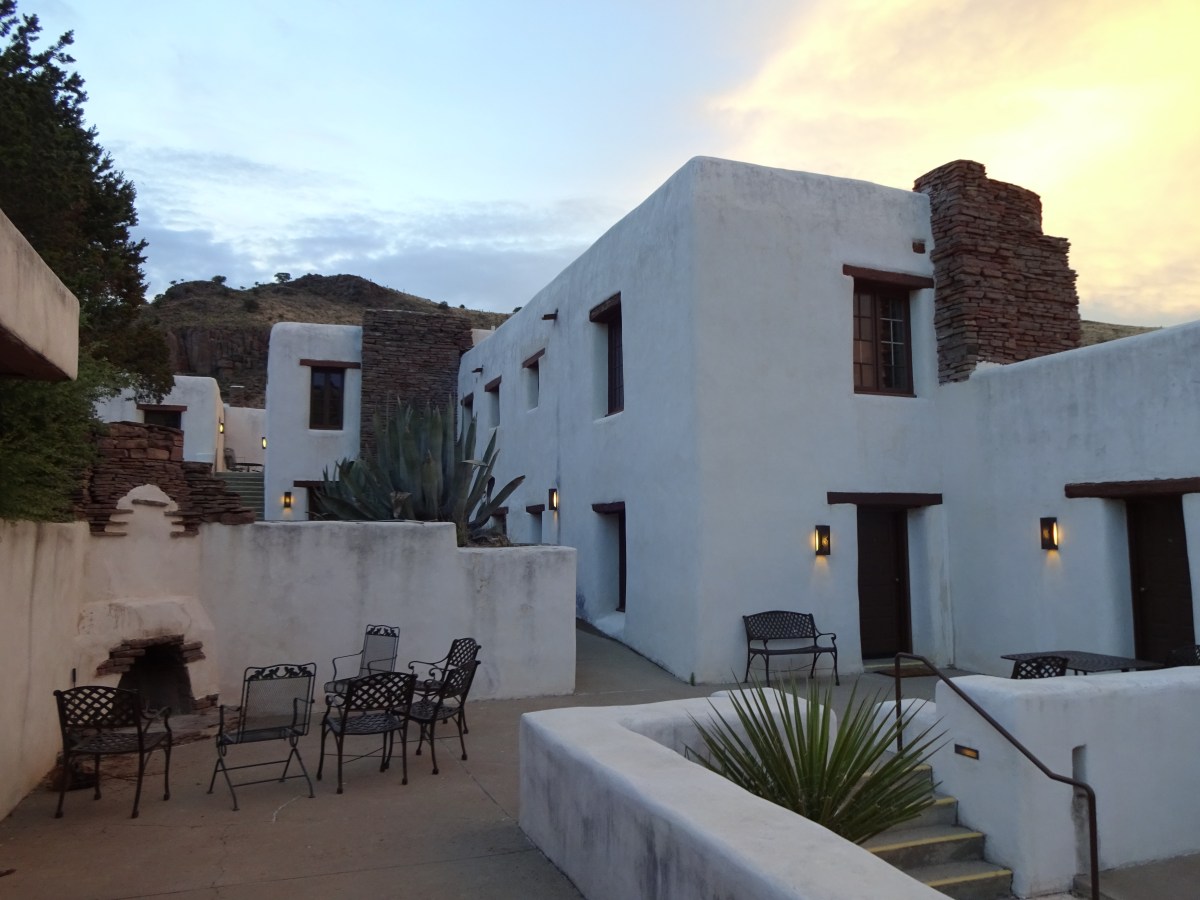
 Josh Hodge blog