The Photo of Reassurance
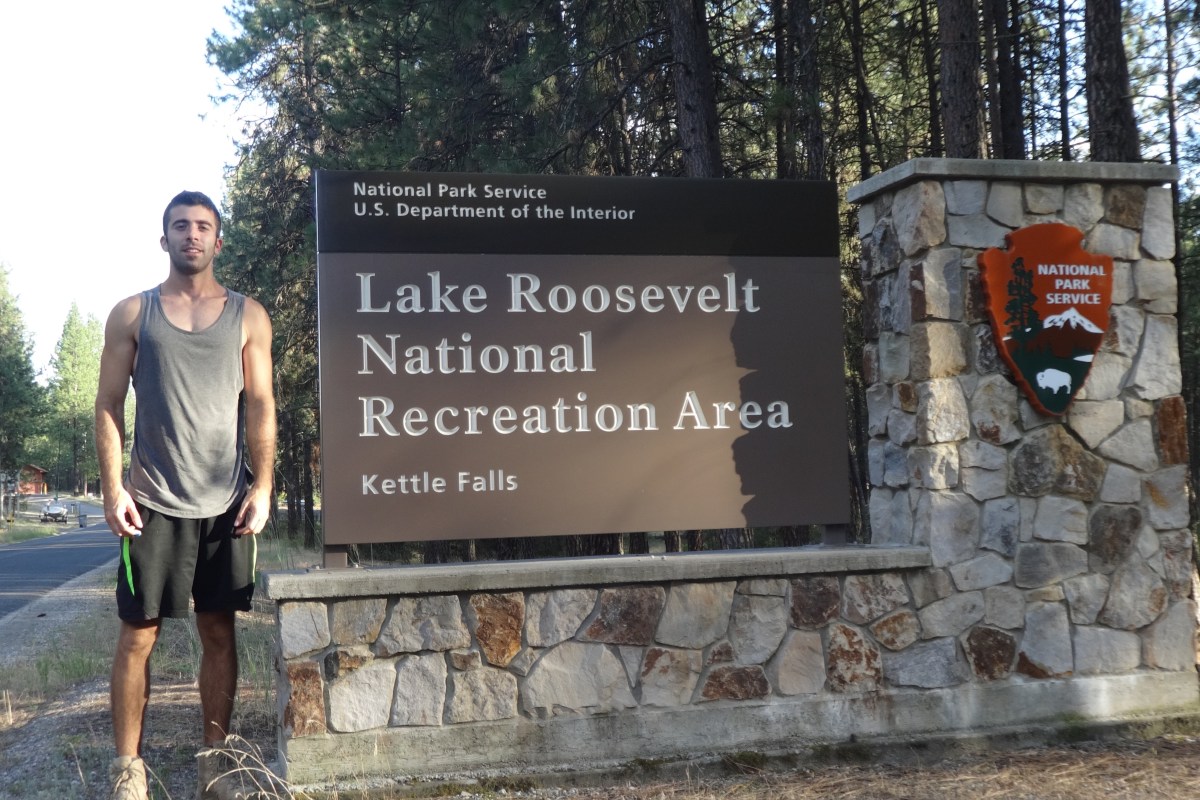
“Okay, I look alright.” I said to myself while looking at my picture by the sign to Lake Roosevelt National Recreation Area. It was a relief. I was not feeling well at all. I thought my relaxing time in Stehekin would be good for the body. It was certainly good for the soul, those two nights up in the forest in the most remote community in Washington surrounded by nature. Yet inside my intestines and my immune system were still angry. I felt as if I was entering that stage where my body was starting to reject food altogether. Anything I would eat would make me feel unwell, and I felt weak and withering. This was devastating to me at the time for a number of reasons, but especially because in recent years I had really focused on my health and building my body up. I was so disciplined and persistent with my daily workouts. I was very strict on my diet. My body was my most valuable thing in life. We should all treat our bodies as the valuable things they are, but I believe I had become over preoccupied with it.
I could see the natural process that played its course for me to arrive at such a place. I had spent much of my teens and young twenties very ill. Then my body healed. I regained strength and began to feel healthy after a long period of sickness. As my body began to once again absorb nutrients from food, it was exciting, and I held such an appreciation and gratefulness for my health. Slowly that evolved into being over-concerned and over-consumed with it. It was more about health too. It was also about building muscle and maintaining a certain physique. It was building an image and maintaining it. That doesn’t have to be a bad thing, but did I let that consume me, so as to lose my health now was unnecessarily devastating? This is what I was thinking.
Now I felt like everything I had built was crumbling down. I was living to build my body. I had put so much value in that and now I did not have it. My muscle was withering away and I was feeling weak and ill. It was a punch to the gut that was already wounded…. But in the photo I just took I thought I looked good. I still looked healthy. I still looked strong. I certainly was feeling worse on the inside than I looked on the outside. Sometimes with ulcerative colitis, it is apparent when someone is ill, but it is also a silent illness, in that one can be very sick and feel utterly miserable but on the outside everything may look fine.
The photo I took gave me a little pick-me-up, for I was low in spirit. After the welcomed distractions of Stehekin and the excitement of exploring that little pocket in the woods the past few days, I had a three hour drive in which I felt miserable. My gut was restless and my body was fighting itself. I was pestered with the thoughts Why is this happening to me? And then No, this can’t be happening, but then I repeatedly was confronted with the reality that, Yes, this is happening. My thoughts would at times be distracted, especially by sights along the way- but then I’d feel the abnormal churning of the gut, an urgency to pull over, and I‘d have to repeatedly confront reality: I’m ill.
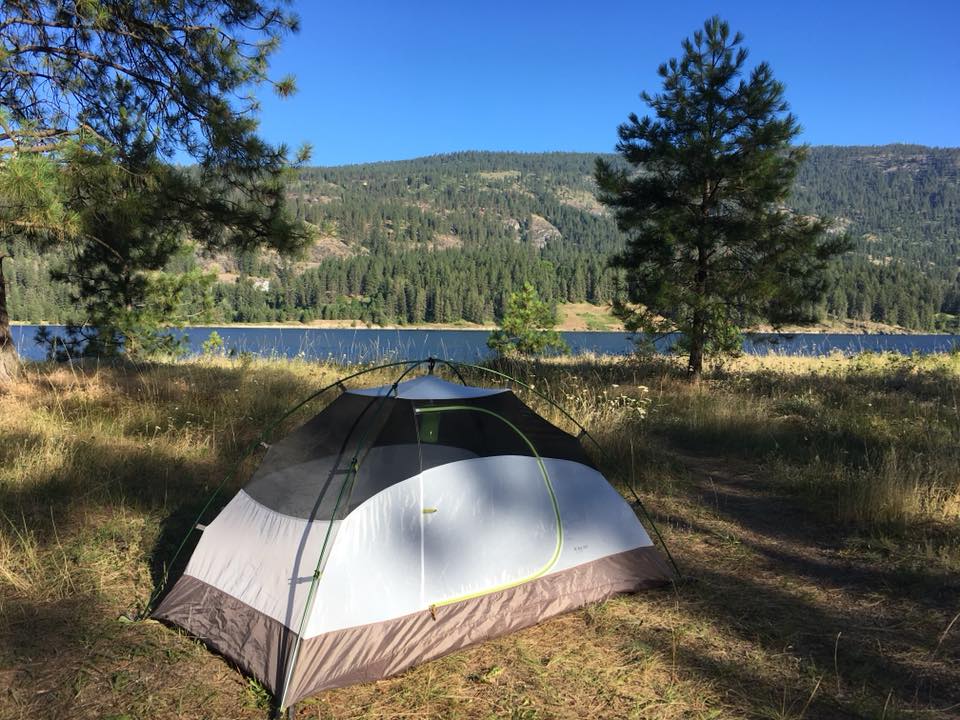
Eventually I arrived at Lake Roosevelt National Recreation Area. I had pulled over at one of the entrances to take my picture by the sign, something I try to do at every National Park Until. Feeling slightly better about my current state after seeing my photo, I pulled into Kettle Falls Campground. It was a very open arid campground. There were a few pine trees here and there, but mostly dry grass and dusty ground. I was atop a bluff beside the lake and on a rounded island very close to the mainland. As much as I love the deep forest, there is always something very comforting to me about wide open spaces. I think it’s the midwestern Illinois blood flowing through me. It’s calming for me to see the big sky and gaze over long distances, and there I could see that sky, and could look across the land over the lake.
Conservationists vs. Preservationists
Lake Roosevelt really is a part of the Columbia River formed by the Grand Coulee Dam created by president Franklin D. Roosevelt in 1941. I love natural places, and there is something extra remarkable about a beautiful lake naturally occurring in the wild, but there is something mildly disappointing about a dammed lake. I am not against dams. I think dams are fascinating in how much renewable energy they can provide and all the outdoor recreation they can afford. However I am well aware that there are people who are completely against dams altogether and any human influence upon the land. When I consider these people, I know I differ with them in the type of naturalist I am. I believe I am a conservationist, which I would define as one who calls for responsible use of the land to maintain its benefit for further generations. This is certainly different from exploiting the land, for I have great reverence for the land. If we were to exploit it, we would rid it of all its benefits, rendering it useless and defacing its natural beauty. Rather I believe we conserve it, so we can have it for its benefits for generations.
In some instances the best step we should take as conservationists is leave some things alone, preserve them. However my worldview is that the earth is designed for man’s benefit, and therefore we should use the earth for its intended purposes, and sometimes that benefit is simply in its beauty. An example is the Yosemite Valley. Don’t touch it. Let it be. It holds remarkable beauty. Other times the best purpose is for recreation or energy, perhaps that the assessment here for Lake Roosevelt. Sometimes the best purpose is agriculture, mining, cattle raising, farming, housing. Historically, the National Forest service has been a conservationist department, their motto: “land off many uses.” The National Park service is different in that its “to preserve and protect,” a largely preservationist mentality.
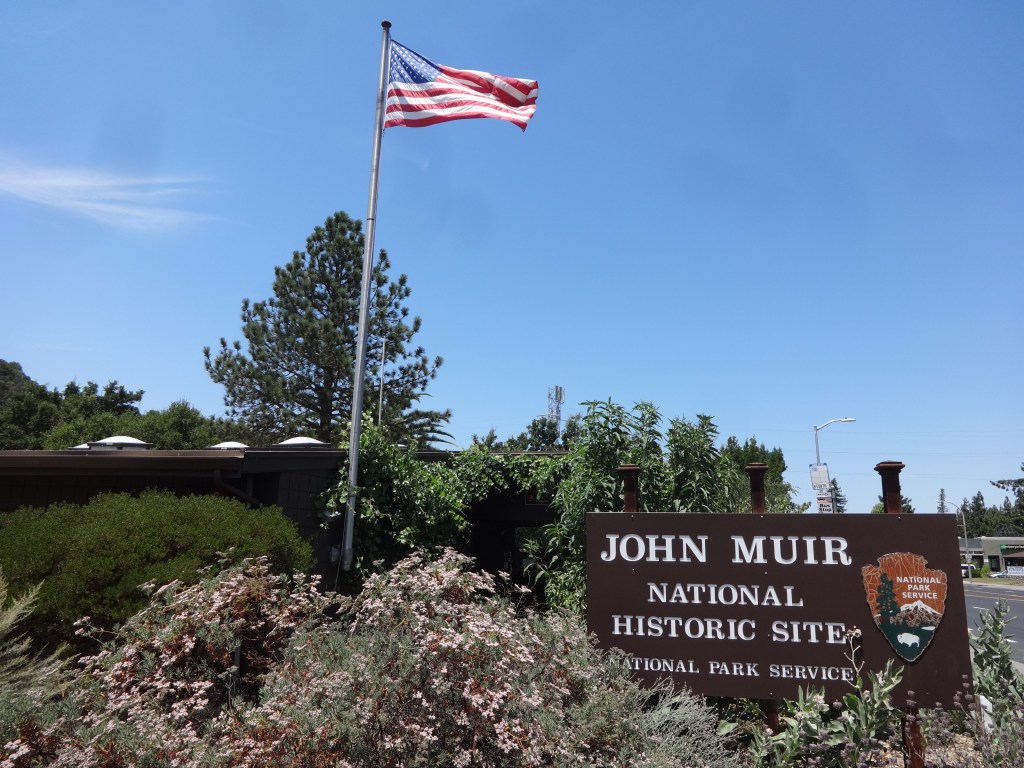
The preservationist as an individual doesn’t believe in any human involvement with the land. They believe in leaving it completely untouched. They want preservation as is. A conservationist believes in preservation as well, but the preservationists doesn’t share the same view of land use as the conservationist. Historically speaking, I have great respect for both types of people. Theodore Roosevelt was a great conservationist and John Muir was a great preservationist. Together they accomplished a lot. I think the input of both, the challenging view of one upon the other is good to find a balance and approach situations reasonably. The conservationist unchecked could be corrupted into an exploiter of land, but the preservationist helps bring the conservationist back to his roots of mighty respect for the land. Also the preservationist unchecked can become an extremist, viewing the human as merely a hindrance to the planet, restricting his due duty to the earth. As a consequence the planet actually suffers. Unfortunately I think many have arrived at this harmful viewpoint today, or at least those with loud voices and showy influence have.
Let’s take the example of forestry. It was once common practice for those working in forestry to attend to the forest. Fallen trees would be cleared from the forest and used for timber. This would benefit the man, but also benefit the forest as a whole. When lightning would strike and forest fires began, there would not be all the dry dead wood on the forest floor as ripe kindling, and therefore forest fires wouldn’t be as large and destructive. I know forest fires are natural and can be good things too, for the aftermath of a forest fire regenerates new growth and provides nutrients to the soil, but forest fires have grown bigger and more deadly, causing much damage, killing habitats, and disrupting air quality. People today want to blame out-of-control forest fires on “climate change,” but really the main factor is that in many parts, because of preservationists’ no intervention policies, forest floors are not cleared out of fallen timber. I see this as man not attending to his duty. Man in my view was created to attend to and take care of the land. He benefits from it, but he also takes care of it.
Many preservationists of today are treating humans like an invasive species. Not only do we have man not attending to his duty to care for the land, but we also prohibit and restrict him in so many instances, which may not be necessary or good. I am so glad the infrastructure of our National Park system and the creation of all our beautiful National and State Park lodges and roads occurred at a time of the healthy pull of both sound thinking conservationists and preservationists. Today the preservationist would prohibit humans from all of what we have and enjoy in terms of parks. We wouldn’t have the richness of our access to these beautiful places. We have to be responsible but we cannot throw out reason. After all, this is ours too!
Each Animal Has a Job
Take a look around the animal kingdom. All animals manipulate the earth. I think the strongest example is the beaver. They gnaw down trees, create dams as well, creating whole ponds and waterways that otherwise may not exist. They use their creations for their homes, their habitats, and cultivating their food sources. We don’t see huge movements and people taking to the streets to protest beaver dams now, do we?
What about bees? They build these hives, enormous in comparison to their size, then they go around stealing pollen from all these flowers. Should they just let these flowers be? Should we regulate bees and restrict them from tampering with all these flowers? Should we place zoning restrictions on their hives? What would happen then? Well, there would be no pollination of our flowers. They would cease to reproduce. We’d have no flowers and would lose many vegetables and fruits to extinction. Also, bears feed off of beehives.
Let’s talk bears. They have a responsibility to the forest too. They clean up dead carcasses and their waste spreads as fertilizer and spreads seeds to propagate growth of many plant species. Should we regulate bears and not let them roam free and confine them, for they are tampering with the forest by moving all those carcasses and spreading all their waste?
Man’s Role in Nature
Just like the bear and the bee God has given every creature its role. Birds build nests, bees build hives, beavers build dams, prairie dogs build entire underground towns, can’t the human build for himself a home or build his own dam? Every animal has a role with the environment. The human has a role too. The discussion should not be, how do we remove humanity from nature, but rather what is man’s responsible role in nature? Ignoring his role, the earth suffers. As written in the book of Genesis, God put man in the “Garden” to attend to it, and not to ignore it. We should especially not ignore our forest and water ways in this great garden. We need to attend to them.
This is not to say I am careless, but man is not an invasive species. I believe the earth is created for man. The bigger issue is that man doesn’t know who he is. The further we get away from God as a society, the less we know who we are; and the less we know about who we are, the less we know about our role and responsibility to the earth.
Here I stood at Lake Roosevelt. What do I make of this dammed lake? When it was constructed at the time of the U.S. coming out of the Great Depression and into World War II it provided much needed energy for the economy and today it provides great recreation. I acknowledge and have an appreciation for these things, but I also was a bit saddened learning more about it. Kettle Falls, the water falls which were a great and prominent gathering place for many Native American tribes of the Pacific Northwest to trade and fish along the Columbia River, was now flooded because of the dam. I was saddened that such beautiful things as waterfalls were eliminated by man, and I was sad considering tribes lost such an important location for them. When the dam was built and the falls were being flooded over, a number of tribes got together for a “ceremony of tears.”
This site was also so important to their salmon economy. At one time the Columbia River was home to the world’s largest salmon runs with over thirty million salmon taking the route. The dam changed that. Oh, what should I make of Roosevelt Dam? Some things we just have to accept. There’s no changing. Things won’t go back. Kettle Falls are gone. The salmon run is not what it once was. Lake Roosevelt is here to stay, and so I have to approach it, not by the past, but in the present. Lake Roosevelt is unarguably beautiful. I chose to appreciate it and enjoy it.
Mission Point
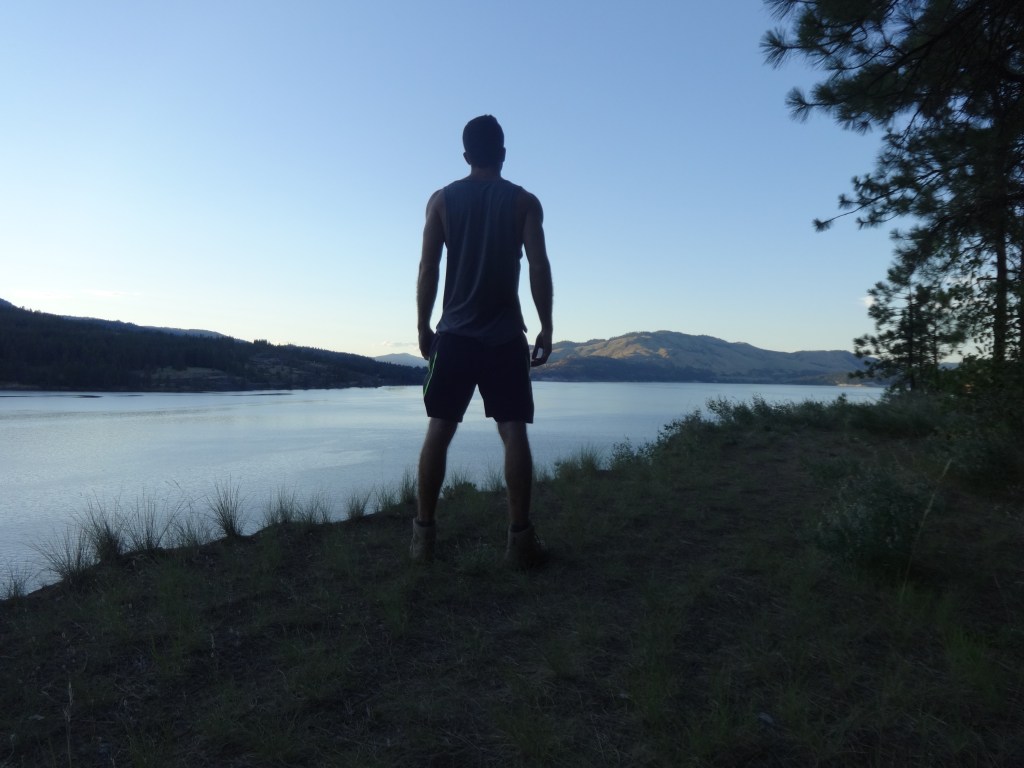
I drove just a few miles up the road to Mission Point, a little peninsula on the lake where the Jesuits had formed a mission, beginning with the visit of two Canadian-French Catholic missionaries, Francois Norbert Blanchet and Modeste Demer in 1838. They witnessed to the Colville Indians and the fur trappers and traders of the Hudson Bay Company visiting the nearby Fort Colville. The following year they held the first recorded mass between the Rockies and the Cascades and baptized nineteen Native Americans. This was my first time learning of Catholic missions in the U.S.. I would go on to learn of many more on my travels through Montana. There at Mission Point was the old mission meeting hall. It looked like nothing more than a cabin. I walked around and read the interpretive signs. There was a small path that led out to the tip of the peninsula. I walked out there and sat down for a moment. Everything was still, calm, and quiet. The sun was setting behind the hills in the distance on the other side of the lake.
On my walk back down the path to my car I spotted a deer. It was watching me through a window of pine trees in the forest. I paused and locked eyes with it, then I moved slowly and quietly towards it before it trampled off.

Back in my tent I looked through the pictures I had taken on my phone and reviewed my itinerary. Tomorrow I’d arrive at perhaps the climax of the summer adventure, at what I was considering the National Park of all National Parks, Glacier National Park!
If you enjoyed reading this, check out my book “Still, Calm, and Quiet“
Check out my previous entry here: “Stehekin Day 2: Pastries, Grouse, and Greatness”
Visit www.joshhodge.com



 Josh Hodge blog