I was trying to catch my breath. I had run and sprinted, giving it all I got, putting all my strength and force into the end of this run. I was running along the creekside on the road just outside of the St. Mary KOA on the east side of Glacier National Park with the towering Rocky Mountains in the distance. Behind all this was not just the motive of wanting to take a morning run. It was a physical manifestation of my frustration, an outpouring of my emotion. I was so fed up with my body and this illness. Sometimes I’d feel fine. Then I’d be plagued with the most uncomfortable feelings in my gut, reminding me I was unwell, and this grave feeling of desperation would take over.
So this early morning, I ran, faster, and faster, and gradually ran more and more onto the front of my feet. Soon I was sprinting. As I did so, my heart pounded forcefully in my chest, feeling as if it was about to burst out. My sides began to ache, naturally from the exertion and I wasn’t accustomed to running this fast. The exertion was painful as my lungs were desperate for more air than they could take in. Normally I’d slow down, or take a break, but I pushed onward, relentless to the pain. I was fueled by fierceness. I suppose maybe in some ways I felt, despite my will and desire, my body had control over me lately with this illness, and now through forcing it through such extreme exertion I was proving to myself I still had control over this vessel, or maybe I just wanted an outlet for all this build up burning frustration.
The more I pushed myself, and the more I ached and desperately drew in breath, the more I realized it was pointless. I was sick. I could pour out all my efforts, all my strength, all my energy into this; and my desire could be so strong, my efforts relentless, yet this wasn’t going away. I was still going to be sick. This wasn’t all on the forefront of my mind, but it was buried in there somewhere, and it explained how suddenly my legs and arms became limp, as I slowed down running. I hit a realization as tears of desperation and frustration ran down my face. I stopped running. The harsh reality fell upon me again. I could not not make this go away. Alone, I was helpless. I wanted to be in control. It was all out of my control.
Just a few days before, I had my great moment of declaration upon the Highline Trail, in which I resolved I would not give into despair, and no matter my circumstance I’d bring glory to God through my illness. Often when we make ground spiritually and draw close to the heart of God, the devil has a counter attack. He did here I believe. Just moments after my heartfelt declaration of resolve, I experienced great cramping, desperation and urgency. Sparing you from unpleasant details, I was above the treeline, on tundra, exposed. There was nowhere to run away to, no privacy, and tourists were around me. With great anxiety I made do. But it happened over and over again, a persistent physical attack, leaving me exhausted.
Exercising, especially running, I thought would be an outlet for this stress and inflammation in the body. After good exercise the body calms down and relaxes. I needed that. Ulcerative colitis also sometimes feels like there is a misplaced energy or fire within the body. The energy or fire was focused on attacking and burning my intestines. If I could, through physical exercise, displace the fire from the intestines and channel that energy into a more productive means, I’d be okay. It’s an abstract feeling that I know is not exactly medically accurate, but it’s how it felt. There was also the feeling that I could force this all to go away, just as it came on so quickly, so too it could leave, like there was a switch in my body that needed to be flipped and it’d all be over. I felt I could flip this switch through exertion. I was trying so hard to displace this energy and flip the switch. After all, I felt there had to be something I could do to fix this problem.
“Forgive me God, for putting my body before you…” I prayed “…for setting it up as an idol, for being so caught up in my health and physical strength and appearance that I failed to put my deepest value in you. I let myself become distracted from that which is most important” I knew this illness would be painful in any circumstance, but the fact I had idolized my body so much, made it all hit harder emotionally, now that I lost my health. I realized I needed this moment of repentance. “Help me focus on you and put you first.”
I continued onward calm and quiet in the presence of God on the Highline Trail among the majestic mountains and alpine meadows. For a while I escaped the turmoil of my condition. I had distractions.
“Look there are two bears,” another hiker called out. Sure enough, pretty far in the distance, but still visible with the naked eye, two big grizzlies grazed on the mountainside. This was my first grizzly bear sighting! I was approaching the Granite Park Chalet. Here hikers lucky enough to score a spot can stay in the rock chalet overnight. I was only there briefly, observing the bears and heading descending four miles to The Loop.
Just in time I caught the last bus back down to the Apgar Village. I was the only one there at the bus stop. I didn’t realize it was the last bus until the bus driver told me how lucky I was. I was exhausted. I had hiked around 15 miles in total, and my legs were very heavy. Although I had completed it, I went through such physical desperation and anxiety with my colitis, that I in many ways felt defeated by this hike. I enjoyed it in some short spurts, but mostly I was in survival mode. I didn’t conquer this trail. It got the best of me.
The rest of the evening was relatively relaxing. There were other great distractions from my illness and my body was for the most part at peace. One such distraction was my visit to the Lake McDonald Lodge built in 1913. It’s a National Historic Landmark and built in the beautiful Swiss chalet-style. Inside it is composed of rustic National Park Style architecture, in which design elements mirror the natural surroundings. It featured exposed rough wooden logs as beams, and railings and fixtures carved of rough planks and tree branches. It had a coarse stone floor and taxidermied animals of all kinds all over, including elk, moose, and goat to name a few. Great big murals of mountain landscapes and native americans adorned the walls, and an enormous chandelier of Native American lanterns, painted on in a petroglyph manner, glowed warm in the otherwise dimly lit space.
The focal point of the lodge was an enormous stone fireplace and chimney, so big there are benches within the mantle, like a foyer to the fire. The precise term I learned is called an “inglenook.” I’m a big fan. There is nothing that says northwest North America greater than this lodge. I poked around its three different levels and balconies, observing the art and taking in the extraordinary ambiance. Around some chairs and leather couches, animal furs hung and coffee tables stood on Native American rugs. Theodore Roosevelt would have absolutely loved this place. It was just his style, and although gentle and calm, it seemed to boastly proclaim such words as “hunter.” “taxidermist,” ”naturalist,” “America,” and “the great outdoors.” I thought about how I’d love to sit here and work on my writing. It would be the perfect cozy and inspiring place to write.
After snooping around the lodge a bit, I returned to the East Glacier Village and had my first elk burger at Frieda’s. I decided to go full-on tourist and pay a pretty penny for the burger. Its lean and gamey meat was delicious. It was also relaxing to be waited on and enjoy a full meal after such a rigorous day. Having multiple cups of water brimming with cold refreshing ice was also just what I needed. This evening I felt normal and at peace. The next few days I’d have other moments like this, in that for a while I escaped the reality of my illness, but then at times- something would shift within my body and the feelings of being unwell would kick in with the anxiety and desperation that accompanied it. Over and over again I’d shift from feeling well and carefree then slapped with reality that inside I wasn’t well. I had to come to terms with this reality not just once, but over and over again. In more ways than one, it was exhausting and frustrating, leading me to my fierce early morning run ending in a tearful mess and the feelings of defeat…but I’m not defeated, I’d remind myself. It’s only an emotion. I must live and lead a life above these emotions. Onward!
It was the hour to get organized, for it was time to head toward the airport and return Zach to Kentucky where he came from. So we began first-thing this morning. The trunk of the car was just a grand mess of all our things sort of mixed together: the boots, the backpacks, the flannel, flashlights, the park maps, the souvenirs. We handed things back and forth as we got organized. “This is yours…..This is mine.” We also had to take down the tents and pack up the sleeping bags. It was quite an operation. I wasn’t sure how to feel about all this. Was I to be sad to send Zach off, continuing the adventure by myself? How would that feel after all this time together? Or should I feel happy and relieved to be able to have my solo freedom, to do everything as I wanted to and not have the stress of the complaining and the concern of trying to appease. I guess I sort of shrugged it off. I’ll find out when he’s gone, I concluded.
Leaving Mount Rainier National Park, we stopped just outside at a little “backpacker lodge.” That’s how I described it in my journal. I didn’t bother to write down its name or provide any details, except that I bought a cup of hot tea and a scone for breakfast. I described it as a “backpacker lodge,” by the part-grungy, part-artsy nature of the place and the few patrons around sporting large backpacks. In writing about this place I’ve examined maps and have tried to locate this place, to give it a name here, but I simply cannot find it. Perhaps it doesn’t exist anymore, or perhaps it is just well hidden on the maps.
In recalling my adventures in the National Parks and the beautiful wild, this is not the only place I visited I haven’t been able to relocate. The very day I picked Zach up from the airport, and we were traveling our way up California on highway 101 in the semi-arid lands, passing by many a vineyard, I came to a sign boasting some sort of self-sustaining community. It was advertised as an all-natural farm working on renewable energy. Its signage read “visitors welcome.” I knew this was the kind of place Zach would like to see. So, I pulled off the road. This was for him. He seemed excited to see it. We pulled onto a dusty driveway. The land was dry and the sun was harsh. A box stood at a post with a suggested donation listed. We threw in a few dollars. I should have known better…Well, honestly I had no idea what was in store.
So this was this little commune of various buildings and paths between them we could walk around on. We weren’t quite sure where we could go, or what we were to see. There was some interesting makeshift infrastructure, networks of homemade irrigation systems, green houses, lots of plants hanging around, buildings that were constructed…um…what’s the word… creatively. It was kind of intriguing, but then we came across a local. He was a middle-aged man, leathery, wrinkly skin from too much sun exposure. His hair was dirty and matted; his shirt only buttoned up halfway to show off his collection of hippie necklaces. He was super friendly and talkative…because he was drunk. The first piece of evidence was the smell on his breath. He welcomed us, and gave a slurred introduction to the grounds. He wanted to show us his home that he built himself. It was a hut, made of dirt clay and glass bottles. I’ll admit it was impressive. It even had some nice windows built into it. It had to have been a lot of work, but after I briefly saw it. I was done. I was done listening to him curse like a sailor so casually and I was ready to go! But he kept talking and talking. When we did get away, I made a comment to Zach about how drunk he was, “…and high,” Zach added. I hadn’t picked up on that, but it’s because I hadn’t been exposed to enough high people to know what that sort of behavior looks like. Then a notion started to dawned on me: I think we are on a marijuana farm. Again, I was done. I wanted to get out of here. Before we left we did go into a gift shop, which was surprisingly nice and put together, not very reflective of the jury-rigged nature of the rest of the place. By observing the type of merchandise my suspicion grew stronger.
That was weird. We carried on.
As I’ve gone back to maps and the internet to try and find this place, learn more about it, to confirm what exactly it was, and to give it a name, I can’t find anything. Perhaps that’s intentional, and that’s fine, because I really don’t care to know more. What I do know is that it was in California, and they can have it, and they can keep it. I suppose all I’ll ever know about it is what I remember. Just like the backpacker lodge outside Mount Rainier National Park, that’s all I got.
After our brief stop for breakfast we only had a couple hour drive to the Seattle-Tacoma airport, so as we got close we made a few stops. Zach wanted to visit a Target to return a Nalgene bottle he had bought toward the beginning of our ttrip together. I have a tradition on my summer-long vacations to get a Nalgene bottle and sticker it up with stickers from each park I visit. I had a neon yellow bottle for stickers for my Southwest adventures I write about in my book Canyonlands: My adventures in the National Parks and beautiful wild. I have a dark green one with stickers from the Still, Calm, and Quiet: More adventures in the National Parks and beautiful wild summer, and I have two classic blue ones from parks I’ve visited on various smaller trips back in the Eastern United States. For this trip I had a dark turquoise bottle sporting my stickers. Zach had learned of my ways and wanted to do the same. Imitation is the sincerest form of flattery, as they say, so I liked that he wanted to copy me, but the Nalgene he had bought earlier on the trip had a plastic casing around it that must have, at some point, melted onto the bottle and now could not be fully separated. So he wanted to exchange it.
I also let Zach pick where to have lunch since it was his last day on the trip, and he was always the one with the large and urgent appetite. It’s definitely telling that we were no longer in the wild when he chose ihop. We were in the city of Tacoma next to Seattle. It was my first time eating at an ihop. I was surprised to learn there was more on the menu than just pancakes.
In the later afternoon it came time to take Zach to the Seattle-Tacoma International Airport. I parked and we went inside. He checked his bag, we said goodbye, and he quickly made it through the TSA security checkpoint. I did feel a poignant sadness. As much as he frustrated me, I felt this heavy aloness set in. It was the realization that I was so far away from home and now all alone. Why should this bother me? I’ve traveled so far away so alone so many times. But as I saw him move past security towards his gate, I knew deep within me, our friendship wouldn’t recover from this trip. Our friendship was built over a love for the outdoors and recreation. Those are great things, but they can also be superficial, especially when we view nature so differently. I view it as God’s design with purpose, intention, and messages which it beholds for mankind to draw closer to Him. Zach didn’t share that view. I also value human life so greatly much differently than Zach. We argued about this. He saw human life as too abundant and in need of being lessened. This sat so incredibly unwell with meI saw it all as sacred and designed by God with even greater purpose. Humanity is God’s most prized possession. Yes, possession. We are His. I felt I couldn’t bring up these deeply held views of mine. They would cause further arguments. Zach saw human life as too abundant and needed to be lessened.
There also was no peace in this friendship. There was complaining and conflict and never a sense of security. We were not kindred spirits. We didn’t share any weightier values. At this time in my life I was too young and immature to realize that perhaps I could be an influence upon Zach’s life, but when it comes to forming friendships it takes a great deal of effort for me to form them. I also don’t throw the word friend around casually. I take the term friendship quite seriously. In recent years I’ve been very conscious of my use of the term “friend” versus “acquaintance.” I will only use that term friend for a true kindred spirit, for someone I can rely on, whom I share great values with, whom I am willing to get behind and advocate for in life, and someone who is willing to do the same for me.
I also believe friendship is a design of God for us to build each other up spiritually. The Bible has a lot to say about friendship. Take into account Proverbs 18:24, “One who has unreliable friends soon comes to ruin, but there is a friend who sticks closer than a brother. Then Proverbs 17:17 reads, “A friend loves at all times, and a brother is born for a time of adversity.” Lastly, I’d like to mention Proverbs 27:17, which I also think has a lot to do with friendship. It reads, “As iron sharpens iron, so one person sharpens another”. What I thought was a friendship between Zach and I was not reflective of any of these verses.
We are all wired differently. It takes a deal of effort for me to create friendships. There’s this effort of really putting myself out there and sharing of myself that doesn’t always come naturally. I do it and delightfully so when I see the potential for a fruitful and lasting friendship. In such instances it encourages me. I get a great deal of energy from it, and my life is enriched, but to put forth the effort for a friendship based over a mere superficial hobby for nothing of substance, is exhausting. I am not saying that the way I maneuver friendship is the best and that my views are even the best for me. I find myself often to be solitary, lonely quite often. I suppose if I didn’t take friendship building so seriously, but more casually, and I put forth effort to connect even over the shallow and superficial things in life, I may have more people around me. Maybe I’d be less lonely, but also being surrounded by people on a shallow level of commonality I think is exhausting. I would probably feel even more lonely to be surrounded by people who do not share my values and outlook. I do say, that because I do take friendship so seriously, that the people I do invest in that I truly call friends mean a lot to me. I am very rich because of that, and maybe I feel a richness of friendship that some people do not, and for that I am very thankful.
As Zach was now gone on his way back to Kentucky, a whole different mindset had to set in. I had to shift from accommodating another traveler, to just looking out for myself. I was free! Not gonna lie, this is what I wanted.
Leaving the airport, I was able to quickly adopt the new mindset of being alone and free! The next leg of my journey would take me to North Cascades National Park, but tonight all I had to do was drive two and a half hours to a KOA northwest of Seattle, so I didn’t have to be in a rush. Therefore in Marysville, Washington, a suburb of Seattle, I stopped at a Planet Fitness. The original plan was to take a shower there, but then I realized I could just shower at the KOA tonight, and so I just enjoyed a workout. Normally I focus on one certain muscle group per day at the gym, but since I hadn’t been to a gym in a while, I decided to just do a little bit of everything.
At this point in my life, I still hadn’t made the switch from the flip phone to the smartphone. I had an iphone, a cheap one, just to take photos and connect to wifi when the opportunity allowed. I needed to take the iphone into Planet Fitness and connect to the wifi to make a payment through mobile banking. In between sets I was trying to remember a password, reset a password, select all the images of stop-lights, get a confirmation code through the flip phone, translate that over— all of those technicalities.
Next to the gym was a local thrift store. It was pretty large, and I was excited to check it out. Maybe I can find some fun camping gear. I’d really like to find a skateboard. That isn’t something I could have packed in my suitcase. Maybe I can find some good CDs for some different travel tunes. Since I hadn’t made the migration from flip-phone to smartphone, I also hadn’t made the switch over to digital media. I had no such luck with any of these hopes, but I did find an Under Armour base layer that would come in handy during the cold nights and mornings up in Glacier National Park. Leaving the thrift store, I did notice a couple homeless people loitering around the parking lot, one pushing a shopping cart as if it was a caravan. The way they acted, their demeanor, made it evident they were drug abusers. It was nice to get a workout in, and to wander around the thrift store, but the druggies were a stark reminder I was in the city and I wanted to be back in the wild.
I got in the car and made my few hour drive to the KOA campground. After zipping up interstate 5, I was on highway 20 heading east along the Skagit River. Urbanization waned, and gradually more forest set in. I knew the KOA wasn’t going to be anything fancy in terms of KOAs. It was just a basic one, but all my experience with KOAs thus far had been good. Making the turn into the KOA I was surprised to find that it was gated, and I had to press a button to open the gate. I went to the office to check in. The host seemed a bit frustrated. She went over the usual rules and explained how the gate will be located after 10pm. I wondered why this KOA needed such a security measure as a locked gate. We seemed to be in a pretty rural area, and back in nature, which is generally a safer place to be. It’s not like we were in a city. She pointed on the map where my campsite was. It was the furthest away at a dead-end road. “There was a picnic table at your campsite, but we’ve been having a problem. Some people entered in from the woods and stole the picnic table, dragging it off into the forest.” This explained her frustration, and now I knew why there was a locked gate. But who comes from out of the woods and steals a picnic table? It seemed so odd. I wasn’t bothered by the fact I wouldn’t have a picnic table, but it was unsettling that people come from out of the woods and steal things.
I drove down the gravel path where it dead-ended at my campsite. I was farthest away I could be from any other camper in this campground, isolated. I stood there at my site and looked into the forest imagining some strange forest people emerging and scoping out what they could glean. Where were they coming from? What’s in those forests? Not having made the smartphone migration, I wasn’t accustomed to using any digital maps to check out my surroundings, so I just looked at that forest with a mysterious wonder, imagining people dragging picnic tables into its depths. Those were unsettling thoughts.
I drove back to the “recreation center” as it was called. It was like a community center in the campground next to the pool. There was a water dispenser and plastic KOA cups. I was a KOA fan and had never seen a KOA cup before. They were obviously meant to be taken. Souvenir! There I sat at a folding table, cracked open my Chromebook, connected to the wifi, and began transferring some of the photos from my point-and-shoot camera’s SD card to the Chromebook for backup and also to share some photos online. What an adventure thus far, from the Mojave Desert to the North Cascades in the Pacific Northwest. It was very relaxing to sit there for a while, and I was at great peace while looking at all these beautiful photos I had taken on my journey. I also proceeded to take a shower and was all refreshed and reset. Then I hopped back in my car and drove back down the dead-end to my campsite.
It was dark now, so there was a certain mysterious ambiance in the air. I stood there on the tent pad in the silence, alone, looking at the forest again. The host’s words reverberated in my ears, “Some people came from out of the woods…and stole the picnic table, hauling it into the forest.” I imagined them now hauling a body into the forest. I did not saunter over a decision. There was an unsettling vibe here. It was not strange enough to cause me to leave, but I was going to sleep in my car, and so I did.
More snow, more glacier lilies, more flopping marmots, more blue sky, more wandering mountain streams, more astounding views– they were all here. It was day two at Mount Rainier National Park in Washington state, and Zach and I were on our way to Panorama Point. This point was not on my itinerary for the day, but much had been shifted and changed. For the most part, my printed itinerary was ignored for this leg of the trip, and we were just feeling it out. I wasn’t going to stress about it either. I was learning to be more career free, trying to lessen my level of stress and go with the flow, as I was still concerned about my health. So once arriving at the park and observing the maps, a trail named the “Skyline” trail reaching a “Panorama Point,” stuck out to me. I figured places with such names would surely deliver satisfying views.
As we started off on the hike, we had to leave from the Paradise hub of the park and hike past Myrtle Falls again, which we had seen the evening before. The entirety of the hike was uphill, and “hill” is quite an appropriate term to describe the terrain although we were on a mountain side. For this mountside was composed of various hills and was a very wavy landscape. We’d round one hill, and the incline would lessen greatly for just a moment, and then we were traveling up another. The path we were on had been trodden enough that for the most part I could see the path clear from the snow with its natural gravel surface. Much of the trail was also outlined with rocks, but surrounding us, apart from the beginning meadows of glacier lilies, we were surrounded by snow. Slowly but surely we climbed higher, and Paradise was becoming smaller behind us. Reaching the higher snowy elevation of the hike, I noticed a giant gray rock canyon carved to our left by a glacier. The glacier was no longer there. It had melted down into Paradise, but its pathway was clearly visible.
The most astounding view of the trip was not the actual Panorama Point but when out in a fair distance beside us, on the snowy sloping landscape, with a giant rocks wall behind them, and glaciers looming over them, trekked a group of mountaineers. They were traveling all in a line, as in a train pointed upward diagonally. Each mountaineer was bundled up with winter gear: hoods, gloves, and large packs on their backs. They all had trekking poles, and it was obvious they were on their journey to summit Mount Rainier. The view of this train of mountaineers, so tiny and miniscule compared to the immensity of the mountain, added great perspective; and considering the notion they were on their way to the mountain peak on an impressive journey, sparked in me an exciting admiration for adventure. To be in their presence, if just for a moment, and yet at a distance, helped create this climate of sheer adventure! I wanted to summit Mt Rainier too!…but not this time.
When we reached Panorama Point after about three miles, there was a leveled area of gravel, outlined with rocks like the path was. It was also fenced in with a steel cable strung between some stakes. The Park Service didn’t want people on this trail going beyond this point obviously. From here there was a 360 degree view. Looking southward, the main attraction of the point were the sharp peaks of the Tatoosh Range. Although still quite grand in their rugged and sharp attire, they looked like miniature Tetons. From Paradise, the Tatoosh mountains stood tall, but from up here, we looked about level to them or down upon their peaks. Here we could also look down and see the Paradise Inn and the whole village far below. Here the marmors were trying to steal the show and grab everyone’s attention, posing majestically in the most dignified and stately ways, as if suddenly ignoring their rather goofy nature.
Turning to the east were many layers of mountains far in the distance, stretching on in immensity. They were of various dark blue shades. The closer ranges appeared darkest and the further ones lightened up just slight enough to create a contrast, and thus I could see there were four layers of mountain ranges on display, one in front of another. Behind us, to the north, was a mountain on display as well. First was a snowy stretch of mountainside, but behind it stood the mighty Mount Rainier ever so boldly with its crumbling glaciers. Completing the 360 panorama and turning to the west, two main features came into view: The entire glacier rock canyon I had seen climbing up was in prominent display, as a gouge or scar on the mountainside, and then next to it, down in the depths of a valley, was the Paradise River, snaking around the forest.
The views were nice, but I believe better views were seen elsewhere in the park. The greatest highlight of this hike was not in the views but was in the journey back down to Paradise. We decided not to complete the entire loop, as it would be a little bit longer and we wanted to preserve time to see some other places in the park, so we went back the same way we came… sort of. This time we did not stick to the path at all. Instead we slipped and slid down the mountainside, surfing all the wavy declining hills. We did so standing up on our feet. There was such a lack of friction between my boots and the snow, and such a perfect uniform slippery slushy icy consistency of the snow, that I was speeding down this mountainside. I’d launch myself forward and see how far I could keep the momentum. It was reminiscent of sliding across the newly polished wooden floor in socks as a kid, but here we were sliding down over great expanses, and it was exhilarating! I was surprised at the physics of this occurrence in that it was even possible. The fun icy descent had us back in Paradise in no time.
After a quick stop in the cafeteria for some burritos, we were back in the car. At eleven miles west on the park road, we stopped at Longmire, a historic section of the park with tales to be told. Here was a small flat prairie, surrounded by trees, and somewhere tucked away were mineral springs. This was the site where a man named John Longmire and his family had a homestead in the 1800s. It is also here where the Longmire’s opened a mineral springs resort. People with all sorts of illnesses came from all around the country to stay at the Longmire’s hotel and soak in the mineral springs. It was believed the waters had healing properties. Even doctors would prescribe patients to soak in these springs. Where are they? I questioned. I need to find them. Maybe the springs can heal my Ulcerative Colitis. It was unlikely but I was willing to try anything. If only I was here about two hundred years ago. The closest thing I found to a spring was some sort of water source pooling in bright orange. It very much resembled the leakage of abandoned coal mines I see in the forests of Kentucky, but it was likely the minerals of the spring oxidizing and changing color…It was not very appealing.
In this Longmire area was also a short path called the Trail of Shadows which traced a meadow, which next to stood a small collection of historic buildings from the Longmire’s resort days. They were all built in the rustic National Park Architecture style. The Longmire’s hotel today stands as the functional National Park Inn. Next to it was an old rustic gas station and “comfort station,” as they called it back in the day, with a tall stone foundation and an overhang with two old gas pumps that were probably once just more gas pumps in the wild. Another building that used to be the park headquarters is now a small museum on Longmire. It’s most fascinating feature to me were some antique taxidermied animals. Maybe it was their age or the way they were poorly put together, but to me they were funny, especially this taxidermied pine marten flaring its nostrils and showing its teeth, very territorial. As we meandered around the Trail of Shadows, at one point we veered off onto an unmarked path. We ended up crossing a suspension bridge and found a village of unmarked cabins. These weren’t on the map. There seemed to be one central building among them. We walked inside just for a moment, for I quickly realized we weren’t supposed to be here. There were couches, tables with board games, and a kitchenette. This was a part of a staff lodging complex. I concluded. It was like a community center. How cool it would be to work in a National Park for the summer, I thought. What a foreshadowing moment.
Just a couple miles up the road in the park was our campground at Cougar Rock where we had spent the night the night before. I thought of taking a break, hanging out at camp, maybe relaxing in the tent, perhaps doing some reading, regrouping and planning the rest of the evening. Our campsite was number 20, so there was a bit of slow driving through the campground to get to our site. When we arrived I was stunned to see our tents were not there. Someone else’s bright orange-colored dome tent was there instead. All our stuff was gone! I was completely taken off guard. Did someone steal our stuff? Did someone rob our campsite? How dare they! What a nightmare! I got out of the car for I was going to confront these imposters, but no one was there. The feeling of offense grew stronger. Then I looked to my right. Our tents and all our camping gear had been throw alongside the campground road. The audacity! Then I vaguely remembered something. I think at one park we are to switch sites in the midst of our stay…It wasn’t this one, already, was it? I pulled out my itinerary. I wanted to prove my suspicion wrong and reclaim my site with my reservation documentation. I unfolded my itinerary, and embarrassment immediately set in. I was the one at fault. We were the trespassers. We were the squatters. We were the offenders. We were at site 20, but we were supposed to have moved to site 2. I was embarrassed in front of Zach, to myself, and to whoever else might be in the campground watching us. We got back in the car and I drove to site 2. It wasn’t that far, only 18 sites away. I didn’t want to deflate my air mattress and deconstruct my tent, pack it in the car, only having to reassemble everything. Instead I decided to take a walk of shame, picking up my tent with the air mattress and all inside it. The tent floor was sagging greatly as I was walking it down the road to our new site. I succeeded at trying not to notice anyone else around me, for my head hung low in shame. Back at the tent I situated everything in its place, and carried on, hoping to blend back in among the other campers in the campground.
I don’t recall what Zach was up to at this moment. I was probably too inner focused on my own embarrassment, but when camp was reassembled, I proceeded to seek out some firewood to purchase for a fire we’d have at night to cook our soup, and I rested my head in my tent and read some more of my book on wolves. After a brief rest, we took the short trail from our campground to Carter Falls. The trail was a 1.3 mile segment of the Wonderland Trail, which in its entirety is over ninety miles. We rushed along the path beside Paradise River to the falls, which spilled down from about fifty feet in height. It’s described as a “horse-tail” falls, but the falls splits in two over a protruding rocks, near its top, to create almost two side by side falls. So I guess its a “horse-tail” falls if the horse has two tails. It was a pleasant fall for such a short hike from camp, but nothing to really write home about. It reminded me much of a fall I’d seen in the Great Smoky Mountains.
After our quick visit to the falls, we drove back to Paradise. I wanted to hang out in the Paradise Inn again like we did the evening before. There was a balcony up by the rafters in the eves of the roof with wooden desk and warm lamps. I bought some hot tea from the inn’s cafe and a few more postcards. I’d fill them out as well as update our happenings in my journal. When I went to purchase my postcards I also bought a green bandana that itself was an artistic map of the National Parks of the Pacific Northwest, of Olympic, Mount Rainier, and the North Cascades. It was a perfect souvenir covering all those parks.
When night set in, we headed back to the campsite, and this time our tents were still there. Phew! I started a fire. I peeled the label off my can of soup and opened its lid. I set it just aside the fire. It was time for supper. This would be the concluding night of our stay in Mount Rainier National Park. This was also the last full day of Zach on this summer’s adventure. The next day, as planned, I’d take him to the airport in Seattle to travel back to Kentucky. Though this leg of the adventure was over, I had much still before me as a solo traveler. I would go on a backpacking adventure in North Cascades National Park, venture on to Lake Roosevelt, and would make my acquaintance with the national park of all National Parks: Glacier. My health was also about to take a turn for the worse. I’d struggle physically, have to come to terms with reality, learn how to accept it, and find the resolve to carry on amidst hardship.
I’m not gonna make it, I thought. The moment was intense. I was running down the little path back to the visitor center at Mount Saint Helens National Volcanic Monument. The situation was urgent. I had the strength. I could do this. I made it in the nick of time. It was there, in the visitor center, where I had my own volcanic explosion…in the bathroom. It may seem like I’m trying to be funny, or just acting immature, but there is a sincerity and solemnity here. This moment was pivotal and not anything to take lightly. As lava spews from a volcano, blood was spewing from me. I was horrified. I can’t even say it was a nightmare, because it was unimaginable. I didn’t fear this moment, because I never thought I’d have this moment again. I had been through this before, and I thought it was all behind me. The suffering through ulcerative colitis was done, a thing of the past. I outgrew it, I thought, but it was back. In that moment emotionally I felt I had taken a stab to the gut and the wind knocked out of me. I was devastated. This in no way had been on my mind. It was unimaginable, but the blood was dark, and it was real.
Two years ago I was at the gastroenterologist. I had been in remission for six years from ulcerative colitis, but the infusion therapy which had saved me and gave me back my health eventually caused drug-induced lupus. I had to stop it. The gastroenterologist wanted to quickly put me on another new infusion therapy. I didn’t want to. When ulcerative colitis made its grand debut in my life, I didn’t know how to handle stress. I internalized all of it. I didn’t get enough sleep. I struggled with depression. I didn’t get regular exercise, and I didn’t know enough to eat healthy. I was still growing and developing physically as well. Through losing my health I learned a lot about taking care of myself. I had come to cherish moments of calm, moments to relax. I learned to let many things go. I had conquered depression. I was eating very healthy, and exercising regularly every day. I was strict on my sleeping habits, and physically my body had grown and matured. So I told the doctor I didn’t want to go on any new medication. I wanted to come off all medication, because I believed my body would hold up, and that I’d be just fine. At first I was hesitant when considering this decision, but over the course of a few weeks of prayer, I came to a great peace about it. The doctor didn’t like my decision. “You don’t want to lose your colon, do you?” He tried to scare me, intimidate me into taking this new drug. He was obstinate in his opinion and I was just as much so in mine. I was giving up drug therapy whether he liked it or not. He closed out our appointment with “I’ll give you two months and you’ll be back in my office.” The truth is I never went back to that doctor. I fired him, but actually it was two years in which my body retained remission naturally before I was back in a doctor’s office. I proved him wrong. I thought my two years would turn into a lifetime, but now I was discovering that just wasn’t the case.
I had become so healthy and almost obsessive about regular exercise, sleep ,and what I ate. I came to really love the body and valued my health greatly. So to learn that despite all my efforts everything was out of my control, was devastating. I had come to idolize my health so much, and now it was ripped away suddenly from me. Because I’d been through this illness before and knew how quickly it escalated, I knew my energy, my physique, my ability to eat and retain nutrients, to build muscle, to sustain myself, was all on the line. And in addition to that great sense of loss and the fear of what was to come, came memories of pain of the past.
Ulcerative Colitis first beset me in college and the pain was persistent and at times very intense. It kept me up at night. I’d toss and turn in bed, unable to make myself comfortable, my stomach felt as if it was burning. One thing that seemed to help me a little bit was moving. To stay in bed, felt like I was letting the pain swelter and build up. I needed movement. I needed an outlet, if for anything, to distract me. I always had to distract myself from pain. So I’d card out of my dormitory at night, and I’d wander the streets for hours. When everyone else was asleep, I kept moving. Some nights, especially those leading up to being hospitalized, I was in too much pain to walk, instead I rolled around on the floor, back and form, like a crazy caged animal. The night before I was hospitalized, I was in so much pain, I wanted to pray, but my mind was so tortured by the physical pain it couldn’t even formulate the words for prayer, so I literally just moaned and wept out to God. In the hospital I was on a morphine pump, every two minutes morphine was pumped into my blood. So much so that I couldn’t even raise my eyelids. Even after my time in the hospital, nothing was truly resolved for a long while. The disease festered. At my 6ft 3in stature I weighed only 130 lbs. It took great effort to walk up the three flights of stairs to my dorm room, and one morning, losing a large amount of blood, I passed out in the shower.
I could not go back to this. I just couldn’t. It had taken everything out of me, and to go through it again seemed unbearable.
Then along with the horror came blame. I never expressed this blame to anyone at the time, but inside I was blaming the family vacation the month prior in New York. At the time the family dynamic was just a bit stressful, and I wasn’t able to follow my strict eating, exercise, and sleeping schedule. I believed it was the stress and irregularity of those events which put a toll on my body and flipped this switch from remission to active disease. Then there was Zach and myself to blame. It had been a strange dynamic between us. I was stressed about trying to make this adventure just as amazing for him as my previou adventures were for myself, but he wasn’t having that experience. He was complaining a lot and that really bothered me to the core. Also the fast few days, I felt like I was rushing around too much. I wasn’t taking the time to really relax and let nature’s restorative properties work on me. I needed to prioritize relaxing. I was convinced this return of ulcerative colitis was due to stress and not being on my regular schedule, but naturally I thought this at the time, because I had idolized my health. Looking back, maybe there are bits and pieces of these situations that are responsible, but I really don’t blame anyone or anything except the fallen state of humanity. I have learned since that yes, stress makes the active disease worse, but it will rear its ugly head provoked by stress or not.
Earlier in the day, when I had stopped for gas, I remember getting out of the car. I felt light-headed for a moment, and something within me was not right. There was no way to explain it. I just knew intrinsically something was happening to me. I had no idea what, but looking back it was as if immediately, in that moment, my body flipped a switch and came out of remission.
How was I going to tell Zach? I knew I had to. This was going to change the dynamic of this trip. He had never even known this was something I dealt with in the past. We never talked about it, and it can be uncomfortable to talk about. A disease that affects the intestines and bowel with lots of blood, just isn’t pleasant. There was no casual way to bring it into conversation; it was so deeply personal; and it wasn’t easy to bring up such deep pain. I’m going to have to modify my diet. I’m going to have to relax more. I’m going to have to try and not stress out about any details, and I am potentially going to be making much more frequent trips to the bathroom. I needed to tell him.
Leaving the visitor center, Zach bought a key chain which his dad requested as a souvenir. He remembered when the eruption of Mount Saint Helens occurred and had some connection or special fascination with it. Then we got in the car. We had a twenty mile car ride down the mountainous slopes and through the pine valleys. I was awkwardly quiet at first, and then I had to let the dam break. I told Zach what had happened, my loss of blood. I told him about my past pains and experience with dealing with the disease and all the horrible things it entailed. I knew, in my very gut, that this was not an isolated event, but the beginning of another long period of struggle, and so I wanted him to know why I felt so devastated.
I made a big mistake at this moment. I left God out. I knew Zach didn’t have a relationship with God, and so I thought I just shouldn’t bring Him up. I was shamefully weak in this regard. I had not developed the spiritual boldness which I now possess. I had some growing to do, and I was still clinging onto some sort of youthful notion that convinced me I needed to mold in with the audience at hand.
God’s work in my life through my first episode of this illness in college was immense. It is my Crater Lake: beautiful now, but painful at the time. God had taught me reliance on Him, dependence on His strength. He also taught me about faithfulness and gratefulness. He had me wrestle with questions of suffering, pain, and death. He also gave me healing and hope. To leave God out of my story of ulcerative colitis is basically lying by omission, and I was guilty of it. Zach, however, was a good listener, and sympathized with my pain, although I don’t think he understood how grave of a situation this was for me. I, though, missed a great opportunity to give God glory and share of my relationship with Him. Now looking back, perhaps there was more than a lack of spiritual boldness. Maybe there was anger already boiling under the surface, a question arising in the subconscious that would come forth in a matter of weeks. I was mad, God, how can you let this happen to me again?
Finally we arrived at Mount Saint Helens National Volcanic Monument. I was in awe of the immensity of the landscape and baffled that something so grandiose and impressive didn’t get more attention. I hadn’t heard much about this place, and I only came across it while looking at a map of Washington state. Perhaps if I was alive when the volcano erupted in 1980 I may have known more about this place.
After learning about the volcanic eruption in the visitor center, Zach and I were chasing down even greater views on a small path that led from the Johnston Ridge Observatory on the foothills of the behemoth of a mountain base before us. We were free after being held captive by the journey in the car for much of the day. We were about four miles from the mouth of the beast, when I sat down alongside the path next to some Indian paintbrush and other small mountainous blooms snugly grasping onto the sides of the path between jumbled rocks. There I beheld what would have been, less than forty years ago, Washington’s fifth tallest peak, but now it was just the base of a mountain. It was still tall, nevertheless, slanting upwards to 8,363 feet, but it was missing its peak which would have topped it off at an additional 1,400 feet. Now instead of a peak it prominently displayed a giant volcanic crater. Looking at Mount Saint Helens, I knew I wasn’t looking at any ordinary mountain. It proclaimed volcano loud and clear for despite its enormous crater, it displayed its sprawling avenues and canyon ruts where lava once flowed, and much of the mountainside had been ripped barren and replaced by volcanic rocks. In some small crevices, plant life had resumed, but the sprawling directions in which its destruction spread was still very evident.
Adding to the volcanic ambience, this evening a spread of clouds hung just below the crown of the crater, giving the illusion of smoke and adding great perspective. It also made the mountain look very regal with the pointed rocks edges spiking up like the palisades of a king’s crown, and the clouds added an element of fantasy, really elevating the scene. Although Washington is a very mountainous state, here no other mountain stood in the background of this one, at least nowhere near her height. Mount Saint Helens stood alone, bold and royally, popping out against the rich blue sky.
I was particularly fascinated by the avenues, ruts, or canyons surrounding and sprawling from the creature like veins. They were prominently displayed with the evening sun lower in the sky, casting sharp contrast against the land and allowing the canyons to cast their own dark shadows within. These were “canyonlands” not illuminated by light, as I’ve discussed before, but ones trapped in darkness. I wondered what animals roamed down there. I wondered how enormous these places would seem on foot. Have people even explored all of them? It was fascinating to think that only a handful of decades ago, these divots didn’t exist. This was once Washington’s fifth tallest mountain, but then in 1980, instigated by an earthquake, Mount Saint Helens erupted. It was the deadliest volcanic eruption in the United States, spewing ash in a 250 square mile range and sending billows up to sixteen miles into the sky. Before then, this landscape would have been so different. It had been drastically remolded. As John Muir would see it, it was God at work, still designing his earth, molding the land through natural phenomenons.
I was still fixated on the massiveness of this area and how its present landscape was relatively new. Even the divots aside, I was wondering if the whole mountainside in general had been fully explored in its current state. What was hiding out in all of nature’s rubble? What fantastical rock formations and marvels surround this thing in its new design. It was such an enormous space, that I imagined other National Parks I’ve visited fitting entirely in the space this mountain base encompasses. I thought how even some cities could fit within the crater alone. I wish I had time to roam freely and explore this land without a care. It would be fun to disappear into this thing, getting lost in its immensity and wonder. But I couldn’t. I had responsibilities and an itinerary.
As I sat there, I did what I like to do in front of beautiful vistas: I closed my eyes, took a deep breath, and opened my eyes to be re-amazed by what was in front of me. Then the wind started to roll in, and I was getting cold. I crossed my arms, hugging myself in my flannel. Before having to leave, I had to get into the important thoughts. Observing the volcanic mountain, I posed the question, What does this mean? What is the message of Mount Saint Helens?
I was looking towards a crater, as I had done just the day prior at Crater Lake National Park, but Crater Lake seemed entirely different from this place. Crater Lake was distinct in appearance and messaging. But there was one commonality. They both started with a volcano, meaning what they are today was birthed by a violent natural event. What made the places so distinct from each other were their outcomes after the explosion. Crater Lake was a place of serenity, of beauty, tranquility and peace. It gave the message that despite pain, loss, suffering, there is peace and beauty. Mount Saint Helens today could be described as beautiful by some too, but it’s for sure a different beauty from Crater Lake. It’s impressive and awesome, but beauty is actually not the word I’d use for it at all. It looked very much still like the aftermath of destruction. The rubble was in clear view, the paths of destruction evident. It was like a scab was ripped from a wound not fully healed. It was a raw landscape, not replacing the destruction with the serene, but blatantly announcing its story of violence. The crater was not filled with rich, pure, calming blue waters but was empty, vacant, and void. Where forest once spread across its mountainside was barren rock and pumice.
I then had to think about what I’ve already concluded about mountains. Two summers prior, when I was at Great Basin National Park in Nevada, I was standing below Wheeler Peak thinking about how solid and strong the mountain was, and I started to think about the word unwavering. I wrote: “I observed how the mountain is very bold despite erosion and the rock glacier. It’s still not going anywhere. The mountain is firm, steady, resolute, and then I began unpacking the word that would last and linger with me– unwavering. It’s been my observation in life that consistency in a person is hard to find. People come and go. They change, they disappoint, and the slightest variation in weather can even disrupt a person. I do not want to be this type of person. I want to stand strong. I want to be a person others can rely on– a constant, a non-variable, dependable, and above all unwavering.”
Mount Saint Helens was not unwavering like Wheeler Peak. This mountain had betrayed its surrounding landscape and all the life that had put trust in it. It left damage, took lives, and left voids, and its said it may eventually erupt again. This mountain did not produce the beauty of Crater Lake nor the security of Wheeler Peak. I began to adopt the notion that there are different types of mountains, and they have different meanings, but that all mountains are representative of different kinds of people. There are the bold unwavering mountains like Wheeler Peak and the majority of mountains I’ve seen, but few people I’ve met. Then there are those volcanic mountains, like people who have gone through pain, suffering, and trauma. Some volcanic mountains return from those dark moments in life with a new found peace, beauty, they are born again into something greater like Crater Lake. But other volcanic mountains, like Mount Saint Helens, are like people who have been badly hurt, but they haven’t gone through the powerful process of redemption. Instead, they have built up resentment and anger to then spew hateful words and actions. They are abusive. Their anger is not controlled, and thus they are explosive, wielding destruction around them. They abuse their children, snap at their coworkers, fight with their spouses. Their anger and discontentment change the life and environment around them. They take the books of others and scribble into them or rip out pages. They also have unfruitful mountainsides, not rich in life, but barred and covered by mistakes, leaving no fertile ground for anything to take root. I know some of these people, and we all have potential to become such volcanic mountains. It is in our nature to be ruled by our human emotions, to become heated in anger and inflict unjust punishment on others. Mount Saint Helens therefore has a message of warning and shows us the weight of our influence, even when destructive.
I never want to be a Mount Saint Helens, but do I relate to her? Yes I do. I have my moments of anger and frustration, and in the moment I want everyone to feel the agony that I feel. I spew the lava. It’s not right, but I’ll own it. This is not to say all anger is bad. Some anger is justified. God in his love, beholds justified anger. What really matters for us as humans is the outcome of our anger. Is it productive and justified, or impulsive and destructive like the volcano? I also relate to Crater Lake. I see peace in beauty in my life from where there was pain and destruction before. Despite whatever mountain best reflects me, I aspire to be like Wheeler Peak, consistent, unwavering, unmoveable, dependable. However, there were yet other mountains to become acquainted with and this wouldn’t be the last mountain on this adventure that would hold a message for me. I was just beginning to explore this analogy of mountains and people. I’d come to find that every mountain indeed is a reflection of our own human potential. Some inspire, some challenge, some warn, some seem foreign, some truly are characteristic of our own selves.
I was energized by this growing perspective on mountains. I was ready to explore it further and open to see what else God wanted to teach me through his creation. As I’d learn about more types of mountains, the wonder would lead me to pose the question to others: What type of mountain are you? But before I could consider mountains any further, a moment of intensity beheld the situation. Something happened that had me desperately running opposite from the volcanic mountain. This was an emergency…
The most meaningful takeaway from my visit to Crater Lake National Park was not the memory of jumping into the lake itself, although that was a great moment of overcoming fear, nor was it the beautiful vistas now imprinted in my mind and in my photographs. Rather it was what I learned about the creation of the lake in the park film in the visitor center and how it relates to spiritual life.
Typically I’m not captivated with geological presentations of layers of rock, seismic activity, tectonic plates shifting, volcanic eruptions eons ago, etc. On some occasions those things can be interesting, but usually, right off the bat, I’m questioning the validity of the information presented when it all starts off talking about millions and billions of years ago. To the contrary I believe the earth to be rather young and that God designed it with the appearance of age. Also I believe the earth was so violently shaken during the Great Flood in Genesis, that so many processes that would have taken, under normal conditions, millions of years, happened quickly in all the trauma.
Surely during the Flood volcanic activity was abundant. The earth, while covered in stormy waters, shifted rocks dramatically, and sedimentary layers formed quickly, burying things rapidly. Nearly every National Park in the Southwest references a time when the earth was covered in water or a massive flood. This should influence our understanding of rock layers, geology, and the earth’s age.
Anyhow, the geological park film about the physical creation of Crater Lake spurred fascination in other ways. The events that created the lake are believed to have taken place only 7,700 years ago, which would place it at right about the time of the Great Flood. I also learned that Crater Lake was actually Mount Mazama once upon a time. It is believed it stood as tall as 12,000 feet. Then it had a violent eruption spewing over nineteen miles of lava and sending ashes over one thousand miles, some landing in Alberta, Canada. When the volcano erupted it left a giant cavity in the earth, a crater, which over time filled with melted snow and rain water to a depth of 1,943 feet, making it the nation’s deepest lake. The National Park Service in their park brochure describe the volcano which created the lake as “catastrophic.”
After learning about such a “catastrophic” event, now one can step outside the visitor center and see a serene, beautiful, mountain gem of a lake. It’s pristine, vibrant blue, and so enjoyed by many. I was captivated with the notion that something so violent and destructive resulted in something so peaceful and beautiful. There’s a deeper message here, I knew. I had to channel my inner John Muir first to examine how this concept of peace and beauty after destruction is exhibited across creation. Is it a design element consistent across existence or an isolated event? Then I could question what God is teaching or revealing to us about Himself in all this.
The preliminary probing question I had to ask was, what other destructive things result in beauty? I was immediately taken back to my days of being very sick with a trifecta of intestinal and digestive system destruction. I was battling ulcerative pan-colitis, pancreatitis, and a bacterial infection. At the time my body was withering away and wasn’t even breaking down food. I was malnourished and in extreme pain, losing blood in large amounts. My plans for the future were ripped away from me. The havoc it created in my life was real, and as the National Park Service might say, “catastrophic.” But during this whole time of sickness God was doing immense work on me, putting me through the refiners fire, creating who I am, and teaching me reliance on Him and trust in His goodness. I emerged stronger in every way, physically, emotionally, and spiritually. I was also given a new gratefulness for my life, my body, and the world around me. After being confined to a hospital room, bed, or exam table, too weak to move, I was now able to climb mountains, summit scorching sand dunes in the Mojave, jump into Crater Lake, and take in a deep breath of fresh mountain air without pain. This all brought me great joy.
I was able to see profound meaning and beauty in life after the painful time of destructive sickness. Some struggle with coming to terms of the coexistence of God and suffering. After having been through much pain and grappling with the question myself of why does God allow suffering? I don’t. I do not believe God brought about the pain or suffering in my life at all, but I believed he used it. He redeemed it to bring about goodness and peace in my life. As Romans 8:28 says, “God uses all things for good for those who love Him and are called according to His purpose.” I truly believe God can redeem anything to bring about goodness and spiritual growth, ultimately bringing Him glory. The overall message of Crater Lake was becoming clearer. It is one of the redemptive nature of God.
I then began to think about war, how terrible a thing it is, and how timeless it is in our fallen state of humanity. But then I considered how after war there always comes peace. We see this repeated through the ages. When right prevails there is good that follows. The destruction of war is not a good thing. It is never desired by the righteous, but eventually it results in, or is redeemed for, peace.
We too, as followers of Christ, wage war in our own spiritual lives. We equip with the spiritual Armor of God as talked about in the book of Ephesians. We take down strongholds and defeat principalities’ weight in our lives. As it says in the book of Ephesians, “For our struggle is not against flesh and blood, but against the rulers, against the authorities, against the powers of this dark world and against the spiritual forces of evil in the heavenly realms.” These battles are fought violently through prayer, scripture, obedience, reliance on God, and with the name of Jesus. One may question my word choice of “violently” when referring to such things as Scripture and prayer, but yes, I mean it. I believe these are violent and effective weapons in the spiritual realm against the forces of evil. Spiritual war can be ugly. It’s sacrifice. It’s a shaking up and reordering of one’s life, but it ultimately leads to peace and a right relationship with God.
In my thoughts I then came back to the natural world. I looked towards the mountains and thought how, per the words of the experts, all mountains are created by earthquakes and volcanoes, both destructive acts of nature. Now these mountains stand tall, unwavering, and at peace. Forest fires, too, are another thing that seemingly, on the surface, are all bad, but those destructive events are redeemed as well. The aftermath is a nutrient-dense soil and room in the forest for the next generation of plant life to grow. I have seen many-a-forest both on fire and recovering from a fire. A forest fire is ugly and can be scary but recovering from a fire, the forest floor is always decorated with flowers. There are sprouting berries and mushrooms, and new saplings starting to really take root. It’s a beautiful thing. There is peace after a ravaging fire.
I also began to think about birth and how it is such a painful and laborious process for the mother, but out of such a mess of pain comes the beauty of new life and the peacefulness of a resting baby. Then I thought of death itself. No one wants to face the process of death. Some will die tragically. Some will fight to cling onto this world. People will grow old and suffer ailments before death, but through death God reaches down and reclaims the life of his follower. Out of the end-of-life turmoil, suffering, and human-instinctive fear, He brings about ultimate peace, as he fully restores one’s spirit in his very presence.
Ultimately this great design element from a volcano to a serene crater lake, from a forest fire to a flowering grove, from labor pains to a baby’s sigh, from war to peace, and from death to life, all show the redemptive nature of God. The message was becoming even clearer as I realized it was then pointing us to Jesus- the ultimate redeemer. Jesus felt pain on this earth. He asked for the “cup to pass” from Him when considering his approaching crucifixion, but He then went on to endure the most gruesome of deaths and the most momentous event in all of human existence. His great sacrifice, and his own redemptive rising from the grave, conquering death, brought about the possibility for salvation and the redemption of the human soul. He paid the ultimate price for our sin, making us just and acceptable, forgiven and presentable to a pure and perfect God. This event is so great, so important, that God has painted it across his creation. The volcanos, the forest fires, the wars, the labor pains, they all point us back to the redemptive story of Jesus and salvation.
It’s so great because and worthy to be written in the fabric of all creation because it is only through the blood of Jesus that we can be redeemed from the destructive forces of sin in the world and in our lives. God wants to save us eternally, but eternity starts in the present, and God is here to wage war with us, from the dark spiritual powers which have a hold on us, from our self-destructive habits, from our mental and spiritual turmoil. God saves. He will deliver and redeem. As he promises, the battle is already won through Him.Through turning to God, accepting his forgiveness, and waging war God is helping us to be “born again.” To do so is not easy, there can be labor pains as one must leave behind his old self, but ultimately we have peace knowing God is fighting our battles with us and will redeem. I think about the violent volcano spewing lava like blood, but then I look at the beauty and peacefulness of Crater Lake and I find hope. Here God reminds me of who He is and what He does. None of the wonders of nature are without meaning. God has placed his story everywhere and wastes nothing.
If you have not called out to God and sought his forgiveness through Jesus, I hope you do, and I urge you to. If you have not waged spiritual war, arm up! The stakes are high. Your soul and eternity is on the line. May you feel the transformative redemptive power of His love as you come to personally know God, and may one day your pains and trouble be replaced by beautiful crater lakes and alpine streams.
“And he who was seated on the throne said, ‘Behold, I am making all things new.’ Also he said, ‘Write this down, for these words are trustworthy and true. ‘” Revelation 21:5
I have to do this, I thought. I felt I just had to jump into Crater Lake. I had come this far, but I was full of so much fear. I was staring down off a cliff into Crater Lake, into a seemingly endless abyss. Crater Lake has some of the clearest and purest water in the world. It’s a massive lake at about five miles in diameter. With a casual glance the lake is a vibrant bright royal blue, but at the right angle, looking straight down into it, I could see the blue gradually grow deeper in transparency reaching an eternal darkness. The truth is it reaches about two thousand feet in depth. From up here, that seemed like an eternity. My eyes could follow little bubbles that traveled up from the depth, growing bigger as they wobbled and floated up to the surface. I have never in my life been able to see so deep into water. These little bubbles helped show the profundity of what I was looking into. It was unsettling.
I was certainly not alone on jumping into Crater Lake. This was the thing to do. There were dozens of other young people who were doing it, each one taking his or her own turn, and just about everyone reached the rim with hesitation. It wasn’t a terribly high cliff, only thirty five feet. That’s a little over two stories, but it was the shock of looking into it and seeing an endless depth that caused just about everyone to rethink matters.
What if I don’t come back up? I questioned. The thought was irrational, I know, but it is what seeing such deep waters provoked. If I couldn’t see into the water, if it was just murky, like most of the water out east, I would just have trusted the water to propel me back up. There never would have been a question, but here, something about seeing the depth of the water, conjured up this incredible fear.
This one irrational thought wasn’t the only fear. There were also two more aspects. Secondly, the temperature of the water was very cold. At the visitor center I learned it was about forty degrees today. That’s very cold for water. Also, I had lost trust in myself as a swimmer. The summer prior, while visiting my brother Nathan in New York City, I visited Rockaway Beach at Gateway National Recreation Area on Long Island. I had seen some people jumping around on a sandbar out in the ocean. It didn’t look far. I could swim out there too. I did and just barely made it. That was strenuous. When I lived in Houston, Texas, I went swimming everyday for exercise, and I had really built up my confidence as a swimmer, but it had been a while. My lungs were no longer in quite the swimming shape.
After a fun time of jumping around on the sand bar, it came time to swim back to the mainland, and that’s when things got hairy. I felt as if my efforts were fruitless. I kept swimming but wasn’t going anywhere. I didn’t seem to be making progress. The ocean was just pulling me backward, and I began to panic. In my panic my limbs grew stiff. I didn’t think I was going to make it. It was quite an intense moment. At one point I decided to just give in and see how far it was to the ocean floor. I sank, and I hit rock bottom. It was not far off. So my strategy was to sink, hit the bottom, jump up for air, and gradually progress my way to the mainland. This seemed to be more effective and require less energy than trying to rotate my panic stricken limbs. When I made it to the shore, I collapsed on the sand in relief. This experience was traumatic. When I’d go swimming shortly thereafter in subsequent months, I’d find my heart racing as my mind took me back to that moment.
Now at Crater Lake National Park in Oregon, I knew this jump wouldn’t involve much swimming afterward, maybe only fifteen feet back to the rocky shore line aside the cliff, but I was still traumatized by my incident in New York. What if I freeze up in shock of hitting such cold water? I’m sure I wasn’t the only one with such questions. There was one teenage girl, who stood there for a good fifteen minutes. She’d inch her way closer to the rim, peer off it slowly, and cower back, taking a deep breath. Very few people approached the jump with boldness. A number of people, all young guys and girls, regularly offered for each other to cut in front of themselves and go first. I was one of them. “Oh, are you ready? Go ahead….You can go first…please.” When someone did cut to the front, that person would often look off the cliff edge and motion for the next person to go ahead. It was a bit of a pile up. When someone finally mustered up enough confidence to jump in, the rest of us cheered in great applause, for we understood it was a big deal and just what it took to do it. It was a great emotional feat of conquering a fear. We all felt it. We knew how strong that fear could be. It was encouraging, fun, and genuinely so pleasing to cheer each other on. There seemed to grow an instant camaraderie among the people here on this cliff on this June evening.
At one point I decided to just get out of the way. My nerves were only growing. I climbed down alongside the cliff to the water’s edge and captured pictures of others jumping in. I captured Zach’s jump on video, and there was another young man whose picture I caught mid-air. His feet looked like they were resting on the mountains across the otherside of the lake in the photo. I showed him the photo when he got out of the water. He really liked it and wanted a copy. He introduced me to AirDrop, which is something I never knew was possible before.
I just had to jump in the lake too. There were a few reasons. First, I knew this was a rare opportunity to overcome a fear, and every fear I overcome will make me a stronger person. There is nothing inherently dangerous about this. In all rational observation, deep down I knew I’d be fine. It was my own human instincts and irrational fear getting in the way. I was fully aware of this. Secondly, I admit, I wanted bragging rights to say I jumped into Crater Lake. Thirdly, how could I ever live with myself knowing I was up there on the cliff’s edge set out to jump into the lake but chickened out? I had to do this. I climbed back up there. I gave myself just a brief moment of hesitation, in which a man said to me, “If you start to drown I’ll come rescue you, I promise.” I guess that little bit of assurance was enough to greenlight this endeavor, and I jumped.
Crater Lake seemed so wide and huge from my freefall into it. It was too big, too intimidating. What am I doing?! I closed my eyes and hid behind the darkness of my eyelids. The cold mountain air ripped between my feet. I felt so exposed, my little half-bare body exposed to the elements, engulfed in the air. I felt the strange sensation of having lost control. There was nothing I could do to stop that which was before me. There was absolutely no way to stop the fall, no turning back. I was at the mercy of gravity and the forces of nature, exposed and vulnerable. I thought by this point I should have reached the water, but I was still falling. It was taking a while…but I was doing it! I was already proud of myself for facing my fear and already felt accomplished. I had launched myself off that cliff despite the most paralyzing of fears. If there ever is a chance to face a fear, do it. It’s what we all must do to keep growing. Theodore Roosevelt when talking about being a fearful child once said, “There were all kinds of things I was afraid of at first, ranging from grizzly bears to ‘mean’ horses and gun-fighters, but by acting as if I was not afraid I gradually ceased to be afraid.” He also added, “The worst of all fears is the fear of living.” I was living, jumping into Crater Lake!
Okay, where is the water?Surely I should have hit the water by now, I thought. I guess I’m still falling. I wondered just how cold this water was going to feel, and how deep I would fall into it. What is it going to feel like?Will Zach get a good picture of this? I’m glad I could share that one guy’s photo with AirDrop. After this we will finish our drive and go check out the lodge. It’ll be nice to rest there a bit, before we go back to camp. Should we make a fire tonight, or just go to sleep? Tomorrow we’ll make our way to Mount Saint Helen and stay at a KOA. There are so many cool places left to visit on this trip. I’m hungry. I wonder what kind of food we can find around here. I wonder what kind of fish and creatures live in this lake. I wonder what lurks in its deepest depths.Is there something like the Loch Ness Monster in these waters? One day this will all be…
KAPLUNK!
I was in Crater Lake.
Water was gurgling, bubbling, and ripping around my ears. I felt gravity suck me downward, pressure pound at my skull, and then I began to rise. Surface, come quickly, I begged. Don’t take as long as that fall.
Gasp! I made it. I opened my eyes and….
I panicked.
My knees locked up.
It was so cold. Too cold. I was numb.
I instantly knew I was not going to make it back to the shoreline. My presupposition was correct. Time for plan B. I didn’t have one, but I was going to make one. I was not going to make a scene as to call over the man who promised to rescue me. How embarrassing that would be. Instead I flailed my way over to the craggy cliffside just below the jump-off. There was no real rock ledge or anything to provide footing, but somehow, with the greatest of Spiderman-like moves, I fasted my grasp and curled my toes onto that rock’s face. I will wait here until I catch my breath, and so I did, and I survived. I was white, blue, shivering cold, slightly traumatized, exhausted, yet adrenaline racing, and I was a heck of a warrior, I guess you could say. I’m glad I did it. It’s a story to tell, but…never again!
He’s going to kill us. This is it. Who? This park ranger. He is sick, unhinged.
We were in the pitch black underground of Oregon Caves National Monument. He made the small group of us on his tour extinguish the candles in our lanterns, and now he was talking about the ills of humanity and death. I didn’t think he was trying to be playfully spooky at all, for it seemed no conscious effort was pointed in that direction. His gloom seemed to emit so naturally from some deep-seated bitterness and hatred within his soul.
I didn’t trust him from the start. There was something impersonal and antisocial about him. He couldn’t relate to the guests. He didn’t know how to interact with the common pleasantry of any ordinary human, and my spirit was not at ease. I could sense discontentment within him and a resentment towards humanity. It was so evident, and now at the end of this tour, I felt things had really built to a climax. This would be a sick man’s ideal moment to take his disdain for humanity out upon us all, brandishing his weapon of choice.
Let’s backtrack. How did I end up in such a situation? Well, in the morning,my travel buddy Zach and I packed up camp at Mill Creek Campground in the Redwood Forest in northern California. Zach was not mad I had made s’mores after he went to sleep so early the evening before. It was a new day. Today’s car trip was only about sixty miles, so we had time to piddle and peruse. We started our day briefly by visiting the Tolowa Dunes State Park next to Crescent City. Essentially it was more beach access and nothing too distinct from what we had already seen, that it doesn’t even reside much in my memory. After visiting the dunes, we stopped for some breakfast at Jack-In-the-Box to appease Zach’s wild hunger. Though a small, skinny guy, he always was the hungry one. Then, after a quick breakfast, we were on our drive into the forests of Oregon on our way to Oregon Caves National Monument and Preserve.
This would be my first trip to Oregon, and I really did not have any preconceived notions about the state other than I just imagined it as a lot of moist pine forests mysterious and deep. I was right. I had no judgment on the people. No stereotypes had ever presented themselves to me. I didn’t and still don’t know what it means to be an Oreganian. The only place in Oregon I had heard of prior was Portland. It had recently become the epicenter for Millennial hipster culture and the Leftist’s ideal progressive city. It had received much attention by the media as the place to be. I didn’t pay close attention to all that, but I heard the buzz in passing, and I learned of the city eventually showing its true colors. I have learned through my travels that you should never judge a state by its big cities. Chicago is not a reflection of the rest of Illinois, Louisville is antithetical to the rest of Kentucky, and I feel the pain of rural and small town Californians whose reputation is so tarnished by the state’s big cities.
Anyhow, we were nowhere near a big city. We were in the wilds, driving through Klamath National Forest along the border of California and Oregon. I did feel the need to stop and take my picture by the “Welcome to Oregon ” sign to add to my ever-growing collection of state welcome signs. At one point we stopped at a wayside National Forest river access called Myrtle Beach. There were some big boulders on which people were climbing up and jumping off into cold water. Zach wanted to partake. I knew I would not. It was way too cold for me, and cold water is just something my body doesn’t handle well at all. It has no appeal to me, for I turn white and blue and shiver to the greatest extremes. In contrast, I love the heat. Stick me in the scorching desert sun at 120 degrees and I’ll revel in it, well at least for a while, until I pass out, but we know that’s another story.
It was pleasant and peaceful to sit on the rocky shore of the river within this grand forest this young morning. Its water was super clear and pure. There were little cares this morning, and no pressure on time, so I simply watched the others do flips and dive into the water from the tall rocks.
When we departed and finally reached the turn off to Oregon Caves National Monument, the road narrowed into a winding, slithering little thing, going upwards. One big feature of the monument is the historic Oregon Caves Chateau circa 1934. I had booked a room there far in advance, before I knew Zach was even coming on this trip. Luckily this room, although small, would be just big enough to accommodate us both. From the outside I admired this dark, elegantly rustic gable roofed masterpiece. It was tucked in the forest alongside a small waterfall and babbling brook which actually ran inside the building. We followed the small wood-railed path that led to the lobby. I loved it. It was so picturesque.
I very much favor the idea of being in a place and leaving the car behind, and this was one of those places. Here we had our accommodations, dinner, trailhead, and the cave all at our disposal. The lobby, though quite large, felt quite intimate in its very inviting aura. It was “L” shaped. Towards the front was a big stone fireplace with a large pile of chopped wood next to it. Placed throughout the lobby were leather couches, floor lamps, and rustic end tables. An old brown piano stood on dated forest green textured carpet. Through the large old windows, light filtered through the pine trees and into the lodge. The place certainly fit the classic style of the National Park architecture movement which I’ve written about before, in which the design aims to blend into the natural environment. Everything about this lodge fit its surrounding forest just perfectly. It’s character was just right. At the front desk, a friendly attendant checked us into the room, reaching into the old-fashioned wooden cubbies behind the desk for a skeleton key.
When we set out to locate the room, it was quite an interesting maneuver. The room was on the very top floor of the Chateau. It required going up the main grand staircase but then up an additional few flights up stairs, walking to the end of a hallway, making our way across a sitting area and game room, and there at the far end of that common space was a small door, which looked to be just a closet. Any casual visitor would never have known there was a staircase here which led to a room, but we opened the door and found our own private small staircase which wound up to this attic room. We had this secret nook high above the Chateau. It felt very much like something out of a book and would be a great break from sleeping in the cold damp northern woods.
The attendant at the desk said this was the last summer to stay in the Chateau in its present state before it would undergo a major renovation and remodeling. The room was certainly dated but in the most charming of ways. Its bathroom features and lighting seemed to be straight out of the 1930s. I felt privileged to be able to be among one of the final people to see the place in its original state and also sad that it wouldn’t ever be the same. I like old things, such as decor and amenities, as long as they are kept up. It may be the historian in me that loves the novelty of being passed back in time. Sadly, I learned later that the Chateau closed indefinitely after this summer. Funds and gumption never surfaced to keep it running, despite it being on the Register of National Historic Places. It still could one day open again.
Zach and I were in the room briefly, enough to drop off our bags, use the bathroom, and scarf down some cherries we had bought the evening before. Then we were off to our first cave tour. We simply walked a few yards outside the front of the Chateau to the small entrance to the cave. I enjoyed the plaque that read “Oregon Caves National Monument set aside by President Taft July 12, 1909.” The fall before I visited Taft’s home in Cincinnati, Ohio and later learned he was a distant relative of mine. I like being able to connect the dots and locations of people in American history.
The tour was the standard “Discovery Tour.” It was very pleasant. The cave was not enormous like Carlsbad Caverns, but had way more character than something like Mammoth Cave, which is very uniform in appearance. Oregon Caves, is more miniature in size, and wanders and winds through a labyrinth full of a plethora of cave formations and glistening flowstones. When we finished the tour we had a quick turnaround before our second cave tour. I had booked the Lantern Cavern Tour for the novelty of such an experience. Between the two tours I thought to squeeze in a short hike. It became more of a run, however. We completed the paved Cliff Nature Trail. It led to a beautiful lookout point which presented the pine forest stretching out over the Siskiyou Mountains. It actually resembled the Smoky Mountains in the Appalachian chain in terms of the height of the mountains and how the pine forest just rolls over them. On the way back to the cave there was a friendly dear walking right on the path in front of us. It was not startled but actually turned around and started to approach us. I suppose it was looking for a handout. I’m sure it would have eaten out of our hands.
After our quick run of a hike, we were back in the cave on the Lantern Cave Tour guided by the creepiest of park rangers. There was something so unsettling about this rangers persona from the beginning. Something was not right. He told dark tales of people dying in caves and about numerous wars that went on in the world, while here this cave sat in silence untouched. He talked about how people during the Revolutionary War and Civil War hid out in caves. I’m not going to question the validity or the extensiveness of that, for it’s irrelevant. However, he spoke about how people remained in caves because of fear of the world. He talked about how the cave is quiet and peaceful, but the world outside is full of hate and war. He talked about God, and for ages how people were disillusioned by a belief in him. “God is not real,” he claimed. It’s a tale to control the masses and keep them living in darkness, he explained. To summarize things, in his beliefs there was no God, no good in humanity, and we were all trapped in the darkness. “There is no light. There is no hope in the world,” he said. My heart began to race. He’s going to pull out a gun and murder us all right about now, I thought.
Then…there was an intense moment of silence. Panic was setting in…
He opened the cave door. “…Then there came the light of science,” he said. “Science takes us from darkness to light. Science illuminates our misunderstandings of the world and our fear about life. So as we walk out of this cave, walk into the light of science.”
Phew! Get me out of here! I will gladly walk into the light after being in this dark cave with this creep! Get me out into the Chateau or out into the forest. I rushed out of there and took a deep breath. That was a stressful fight or flight moment, and I had a lot of thoughts and feelings to express.
First off, I found it extremely audacious to take this analogy of light amidst darkness and apply it to science, while denouncing and attempting to demean the religious faith of so many. It would be one thing to simply use an analogy of light and darkness with science, but to take it a step further and walk on the religious faith of others, is grossly disrespectful especially given that the analogy is so prevalent in the Bible and engrossed in religious faith.
I would expect someone representing the United States as a U.S. Park Service ranger, preserving the nation’s natural and cultural treasures, to have a bit more sensitivity than to flippantly disregard the deeply held religious beliefs of so many people of the country he serves.
Going back to the 8th century B.C., the prophet Isaiah, in reference to Jesus’ coming, wrote, “The people walking in darkness have seen a great light; on those living in the land of deep darkness a light has dawned.” (Isaiah 9:2). Then when the prophecy of Isaiah was fulfilled and Jesus walked this earth, Jesus is quoted in the Gospel of John saying, “I am the light of the world. Whoever follows me will never walk in darkness, but will have the light of life.” (John 8:12). Also in Scripture we read, “This is the message we have heard from him and declare to you: God is light; in him there is no darkness at all. If we claim to have fellowship with him and yet walk in the darkness, we lie and do not live out the truth.But if we walk in the light, as he is in the light, we have fellowship with one another, and the blood of Jesus, his Son, purifies us from all[a] sin.” (1 John 1:5-10) . These are just a few of the Bible’s references to light.
The religious analogy of light is certainly deeply entrenched in religious faith, and it does raise a lot more questions than the scientific one. It’s multifaceted. What does the Scripture mean by light? And why is Jesus described as light? And at a more personal level, how is Jesus light to me? I did not appreciate this ranger’s assault on faith, but I will take it as a challenge to examine my own beliefs. I would conclude, God is light, the source of all clarity and Truth. Science can be a search for Truth, but is a human operation, and can get things wrong, and even when science gets things right, it points to God.
Freed from the cave and the most worrisome of rangers, I enjoyed the rest of my time at Oregon Caves National Monument and Preserve and the delightful stay at the Chateau, and I’d have some food for thought and the impetus to unpack some of my beliefs about what is light in the philosophical and spiritual sense.
It was a cool wet morning. This land was moist, damp, dark, and dripping. Beneath my feet the decaying wood on the forest floor was almost sponge-like. This sure wasn’t Southern California anymore, where I had just been the day before, where the ground is perpetually thirsty. This was a new place for me- The Redwood Forest of northern California.
“Wow!” I exclaimed. “You have to come see this. This snail is huge!” I was impressed and also wanted to wake my travel companion, Zach. I stood outside my tent taking in the misty wet wonderland. We had arrived in the dark the night before, and I wasn’t sure of what all comprised the surroundings when we were setting up camp. So I gingerly stepped out of my tent with curiosity. What is out there? I thought. The creature I found crawling up my tent was the biggest insect I had ever seen. It was crawling very slowly, easing its way, putting its whole body into it. I had my terminology confused. It was not a snail at all. It was a banana slug. This creature had a dismal sort of earthy yellow, with a rubberlike appearance. It was rightly named, for not only do these slugs have a yellow appearance, but they also are just about the size of a small banana. I’d come to find that Zach is not an easy one to wake up and get moving in the morning, but my exclamation about a bug got him right out of his tent. He is one fascinated by critters and crawling things of all kinds.
“That’s not a snail. That’s a slug,” he corrected, observing it and soon gently poking it with a twig, inspecting its response. I was a little bit embarrassed by my error. He went on to spy two more crawling around our camp. They are commonly associated with the Redwood Forest, but I had not read up enough about this park to know, and thus these slugs were quite a surprise for me. We had camped in Elk Prairie campground, just a short walk from one of the park’s visitor centers. After I had got the ball rolling to get the day started with my bug exclamation, I made breakfast. I fixed my campfire apple crisp in which I baked apples in a tin cup over a campfire and melted an oatly chocolate chip Clif Bar over them. After breakfast, we quickly packed up our camp, then prepared our backpacks for an overnight adventure.
Redwoods vs. Sequoias
Before embarking on our day’s big trek, we drove over to the visitor center where, next to it, we went on a stroll through the Redwood forest on an entanglement of a series of short trails with interpretive signs. We had seen some Redwoods, driving between them the evening before. It was spectacular to see the evening sun finding its golden glow between their branches on the pine floor. But now it was a distinctly different experience to be outside and in their habitat. These trees are massive, surely impressive, but they don’t quite provide the same wow factor and sense of awe as the Sequoia’s of southern California. People often assume the Redwoods are the world’s largest trees. They are the world’s tallest trees, but the mighty Sequoias are the largest in volume, having girthier trunks and therefore invoking a greater sense of awe and boldness.
The forest flood was a bed of pine needles and moist wood decay. As we trod on top of the forest’s soft bed, we looked up at the high reaches of the Redwoods disappearing as their branches covered one another. They for sure created a canopy. We were under it. The term “inside the forest,” really is quite appropriate. We were not quite fully outside. We were inside, but a different sort of inside. We could not see the sky except for small slivers peeking in, and thus the forest was dark, dismal in appearance. Vibrance was dampened. Looking down from the forest’s tall reaches we encountered our company, enormous ferns crowding in what otherwise would be empty space, from the trunks of the trees to the edge of the paths. I couldn’t help but make more comparisons between the Redwoods and the Sequoia. The Sequoia has a cleaner, more refined look about it. It has straight edges and is more dignified. The Redwoods are a little more wild, sloppy, unrefined, if you will. They have many knots and lumpy growths which especially congregate around their bases. They give a feebler appearance as some are split and splintering. In a couple instances we climbed up into some trees which had split, and we took our pictures in the tree cavities
Nurse Logs
As we wandered around the interpretive paths, I could see Zach’s head just barely visibly among the ferns which grew nearly as tall as him. At one point, with him ahead, I stopped and read an interpretive sign. It had really provoked some pondering. It was next to a fallen tree. On top that fallen Redwood, or from within it rather, other saplings were growing, and moss and greenery were laden. I had also seen, along the day’s hike, other instances in which a nearly full grown tree had grown out of the fallen trunk of another. The placard beside this tree read, “Nurse Logs.” I read that these fallen trees provide just the right nutrients to foster growth of the next generation of plant life. They are a phenomenon of the forest. I observed this particular fallen tree in front of me. It was as if it was its own world, its own little island or little planet in the universe of the forest. This decaying tree provided so much life and created its own miniature forest. It had its own visible microbiome.
This was very captivating to me. I knew immediately something so spectacular and peculiar is not without a deeper meaning. What is the message God has through us through “Nurse Logs.”? I truly believe no marvel of nature goes without a message. All of nature is designed to reveal spiritual truths to mankind and point us back to God.
I began to think about people in relation to trees. To help you follow my train of thought, or perhaps my “tree of thought,” as it branches out in many ways, let’s take this to my most rudimentary observation. A Nurse Log is dead yet it provides life. There are people who are dead, but yet provide life. Not in the sense of bodies decaying and providing nutrients for the soil or tree growth. Don’t get me wrong. Rather, I mean in the sense that those who have gone on before us enrich our lives through their past lives fully lived. Their legacies, their teachings, their love and efforts are life-giving. We often live off of or find our life-fuel through the inspiration and efforts of those who have come before us… and if we don’t, we should. There are great people of the past who are true gifts from God, whom he placed in the exact right moments of time to enrich our lives.
Nurse Logs in Scripture
I thought about the lives of those in Scripture, whose examples provide such enrichment to our own lives. I think of the faith and commitment of Paul in the face of persecution and suffering; the openness and raw relationship between Job and God in the midst of extreme suffering; the trust of Moses despite feelings of inadequacy; and the courage of Joshua to lead a new generation in battle after their people had gone astray. As I’ve posed this question to others, there are many females in particular who find strength in Mary for her obedience to and trust in God to be the mother of His only Son. There are so many Biblical figures who enrich our lives. However, there is really only One who can truly give life, and that is God through Christ Jesus. For the sake of this Nurse Log analogy, when I say “life-giving,” I refer to one who can greatly and profoundly enrich our lives, not literally give life. There are so many life-giving people in Scripture it’s overwhelming. God has given us a record of their lives with intention to help bring about the robustness of our own lives and ultimately lead us to Him.
Nurse Logs in History
With these thoughts, I was overwhelmed in the best sense of the word. My wheels were spinning. I decided to consider other areas of our lives or other categories of “Nurse Logs.” I thought about more recent historical figures- the Abraham Lincolns, the George Washingtons, the countless heroes of time, and the men and women who have served in the military whose sacrifices have cleared the forest for our lives to flourish, especially all the lives sacrificed in the Revolutionary War and Civil War that allow for the freedoms we have today in our country. I also considered the theologians and philosophers whose great explorations of Truth have informed my own life and enriched it, even those who more tactically have built things and made advancements in medicine. Then I took this down to a more personal level. I asked myself, Who are the specifically identifiable Nurse Logs in my life– deceased people who truly enrich my life? Whose legacy continues to feed me and provide the nutrients for my own growth?
Grandparents as Nurse Logs
First and foremost, one answer is clear: It’s my grandparents, who are all deceased. It’s their efforts, their values, their consistency which influenced the character and values of my own parents. Consequently my parents have passed on those same values to me. There are so many aspects to consider, including ones of which I will never be aware. I can, however, examine some of the obvious ones: faith, creativity, persistence, family, love… Those are some of the nutrients I grow out from, left by their lives. I would surely not be who I am without my grandparents, and as a matter of fact, not for my grandparents parents, and the lineage for generations. My grandparents are surely the most nutrient dense Nurse Logs in my life. Their influence, though most times not direct, is the most profound and interwoven in my life.
Walt Disney: a Nurse Log of creativity and work ethic
I began to think of others, deceased people apart from family, who have enriched my life. When I think about my sense of creativity and work ethic I think of Walt Disney. He influences me as a writer and teacher. The broad gamut of his stories and creative work spur me on in my own creations. He adopted a principle his father gave him: “Any job worth doing is worth doing well.” I believe that. It guides me in my own creative endeavors. Walt put a great influence on the quality of my work, and his example speaks to me and influences my work. He also saw the quality and potential in others. He was a master at bringing talent together. That has influenced me to bring on outside talent into my own creative projects. I also am inspired by the value he placed in storytelling, family, and innocence. Even my patriotism is inspired by Walt Disney’s love for his country. How sad Walt would be to see how far the company he started has strayed from his values.
Something often overlooked about Walt Disney is that he placed a great importance on reading too. He hoped his storytelling would inspire children to read more, something I am also so passionate about. I’ve spent a few years writing for Dolly Parton’s Dollywood theme park, and in that getting to know more about Dolly Parton than I ever expected or could have imagined to in my life. I see how Walt Disney is surely a nurse log to Dolly as well, inspiring her in her theme park, resorts, and storytelling. In her book Dream More: Celebrate the Dreamer in You, she really summed up the value in reading that perhaps the three of us share. She writes, “I tend to find that people who read more are generally more engaged and therefore care more.”
To top it all off, I am inspired that Walt made the largest entertainment company in the world out of nothing. His story is that of a poor farm boy in middle America, who moved to Kansas City with virtually nothing and was homeless. He started off on his own taking showers in a train station and sleeping in his office, but in those moments he had fierce determination, which for me is life-giving inspiration. When I feel like I make no progress in my own efforts I think back to Walt’s story and find the gumption to keep going.
John Muir: a Nurse Log of viewing nature
Another man who inspires me, who feeds my life, is the preservationist, writer, and adventurer John Muir. I wrote about him in my book, Still Calm and Quiet: More adventures in the National Parks and the beautiful wild, when I visited his family home in Martinez, California. Through reading his work, he has shaped how I view nature- how all of creation is intricately designed with common properties reflective of a common Creator. John Muir cherished all the fine details of nature and that has helped me find delight in the most common, intricate, and most unusual things of nature. Muir has taught me to view all things in nature with awesome wonder, truly privileged to be able to look into the fantastical, artistic mind of God. This has also helped me find the great meaning in all things in nature. If it wasn’t for Muir, a number of my books would not have been written, or at least not the way they have been. I may not even have stopped to ponder the Nurse Logs and really consider what message they hold, and therefore I wouldn’t be writing any of this now.
Muir also helped me toughen up. When I brave the elements and my uncomfortability grows strong, I think about all Muir endured on his adventures, sleeping exposed on a lump of moss or in the bitter colds of Alaska, or even walking a thousand miles across the country.
Theodore Roosevelt: a Nurse Log of characterand strength
Lastly, one who should not come as a surprise to anyone who knows me and my writing is Theodore Roosevelt. He inspires me most in terms of his character which was so solid, His commitment to principles, right and wrong, and what is just and righteous was so strong. He did not shrink from hardship but endured it to great extents, compelled by his own moral duty.
I was initially drawn to Roosevelt learning of his childhood illnesses and the immense grief he had as a young man through tragic loss. How can someone go through such pain and suffering, yet become such a powerful and effective leader, living such a rich life, and become president? I had to study this man and learn of that which guided and sustained him. Roosevelt without a doubt would have said his own father, who passed away when he was a young man, was his greatest Nurse Log, and to me Theodore Roosevelt is certainly one of my greats. I pull great strength from his many hardships and resolve.
In 2022 when I spoke at A Badlands Chautauqua: Gathering of the Teddy Roosevelt’s in North Dakota, I began my talk with this very topic of Roosevelt as a Nurse Log. To my humbling honor, the oldest living Theodore Roosevelt repriser, the dignified Marty Jonason, told me afterward, “The part about the Nurse Logs really gave me chills.” Though I was surprised and felt so honored to receive such words, I thought of it as a challenge. Shouldn’t we all feel that sense of chill when we consider how greatly we can impact the lives of others, even when we are gone?
Roosevelt’s Joy
Back to my study of Roosevelt, I’m most recently interested in Roosevelt’s joy. He was a man of many outward emotions, but a very prominent one was joy. A quote that often comes to mind is, “The joy of living is his who has the heart to demand it.” One could take this to great philosophical lengths, to some interpretations that I may even disagree with. However, for me, and what I believe Roosevelt was saying, was quite simple. There is great joy in this life we are given, but it must be pursued. He follows this with his line “Life is an adventure, accept it in such a spirit,” implying that joy comes from fully embracing the adventures of life. We must remember that God wants us to be joyful, and we can find great joy in Him and his many blessings in life, but as Roosevelt says, we must pursue joy and fully live our lives. Oh, there is so much to unpack when it comes to Roosevelt. I could write a book about him… well, actually, I have, a few times.
A very important aspect of living life is also the truth that we cannot fully live our lives apart from God’s Spirit gifted through the redeeming power of Jesus. To Roosevelt’s point, we cannot fully enjoy our redeemed life without embracing all that lies in our paths and pursuing the opportunities afforded us. As he would say, this is the “adventure.” It’s so easy to fall into gloom in an aging world that does not seem to be maturing but rather degrading. With so much going on in the world, one may think pursuing joy is but a frivolous and selfish pursuit. It’s easy to dismiss it in all our trouble, but joy is so important that God commands us at least twenty-five times in Scripture to rejoice, and joy is mentioned over two hundred times in the Bible. In Philippians 4:4 it is written, “Rejoice in the Lord always, again I say rejoice!”
With all the mention of God, amidst my discussion on Nurse Logs, one might ask, Are you going to mention Jesus as your Nurse Log? Surely Jesus is the most influential force in my life. He influences and permeates every corner of my life, and I want His influence to be even greater. If at times that’s not true, it’s yet a deeper desire to want my heart to long and let God have more control. The reason why I don’t call Jesus a Nurse Log, is because He is alive! He is not dead. This I know. Jesus was a human, but he was also divine, God in the flesh. Here I discuss the deceased purely human Nurse Logs, who nevertheless I give God all due credit for. All Nurse Logs are gifts from God.
Authors as Nurse Logs
As I’ve thought all of this over to great depths and have considered my Nurse Logs, I must also credit the countless authors through the ages whose words inspire and give us life. How fortunate we are to live in a time when we have the wisdom of the ages passed down to us in text, and so many books in print which can provide so much enrichment. It can be natural for some young people, myself at one time included, to dismiss the writings of the deceased as irreverent and outdated…but pause. I now unfold such old books with great reverence and an expectancy to learn. Some of the writers of the past were much more thoughtful than the average man today, much more conscious of God and their place in the universe. They may be gone, but the words they have left behind, may be nutrient dense. We must have sacred reverence for the past. The past too is a gift. It is all a part of God’s story. Let us cherish the wisdom of the ages and the library filled with countless examples of lives past lived.
The whole phenomenon of Nurse Logs, though fun to ponder, and an instigator of reverence and gratefulness, is also a challenge to us. Will we live lives that count for the next generations? Will they feed off of what we have done with our lives? I’ll admit I don’t know what that means for my life. I don’t know what it looks like. I have to have faith. It’s like trying to see the sky through the limbs of the Redwoods. I know it’s there, I just can’t see it. God has a plan for your life, even though you may not know the specifics. Maybe just like Marty, that should give us goosebumps. I pray that in God’s plan we may be those life-giving Nurse Logs of the forest.
Who Are Your Nurse Logs?
As you venture forward in the wilderness of the unknowns of life, take a moment to consider, Who are your Nurse Logs? and may you draw inspiration from them.
I had this dream; in it I was at a summer camp. I found myself in my assigned cabin full of bunks. I never went to summer camp as a child, so this was something new. I got out of my bunk bed and looked in a mirror. I was definitely myself- that’s good, but I looked different, younger. I had been gifted back some years in life.
I left the cabin and went to the dining hall. Somehow, I knew everyone would be there. It was time for dinner. I walked over the well-worn path between the various cabins and buildings here in the wooded camp. When I arrived at the dining hall, I found it to be very much like a school cafeteria, except of a more rustic nature, in tune with its natural surroundings. As I scanned the hall, considering which table I might sit down at, I noticed something strikingly surreal and exciting. The characters from my first novel and series of short stories were there: Dan, Linzy, and Sarah!
At this point I realized I was in a dream, and thus I was excited I would get to personally meet the characters I had invented, materialized in this dream. They came over to me with looks of accusation and immediately they made their concerns known.
Linzy, the red headed, usually bubbly, outspoken teenager, pointed her finger at me, “Why didn’t you finish our story?” Her friends spilled out their similar concerns. I knew what she was referring to. My first novel, Wild Christmas, ends rather suddenly. Some readers have said that the book should have had a more well-rounded conclusion. The trio of high school friends were in the midst of assisting Santa in completing his Christmas Eve present run, but the reader is never brought to see the completion of that.
I did not know how to respond to Linzy’s concern. It is true I wrote her story, and it was intentional that I ended the story that way. I had nothing else to say in the matter. I had entertained a sequel for a while, but never pursued it in writing.
As I looked away from the trio to collect my thoughts, I noticed another familiar character. His name was Mark, a lifeguard from a series of comic strips I wrote and drew when I was much younger. In his story, extraterrestrials invade his beach and throw the touristy beach town into chaos. Mark’s lifeguarding duties greatly expand as he has to save the townspeople from not only high tide but the destructive aliens. The problem was I never finished that story. I left the townspeople dangling in chaos and danger and Mark in utter distress. When my eyes made contact with Mark’s, I could tell he was upset with me. He came over.
“How could you leave me, abandoned with the alien invasion?” he both accused and questioned.
“I don’t kn—” Before I could finish my sentence, I was silenced as I was struck with the realization that this dining hall was filled with characters of unfinished stories I had written over many years. There they all were, just as I had described them in writing. I looked out and I knew the backstories of everyone here. These were all my friends, but they were all upset with me, coming over with complaints of how I didn’t finish their stories.
Most profoundly of all, I noticed one of my most developed and personally explored characters, Dakota from my novel, Dakota Broken. He sat alone at a table. I took my tray of food and sat next to him. His head hung low, his black hair drooping down, nearly covering his eyes. With no introduction or acknowledgement, he simply asked, “What happened?” In the novel, Dakota was taken away from his abusive parents and was about to be adopted by a new family, but the novel doesn’t take us to meet the new family. “I was ripped from my parents and was going to be adopted? What are they like? Do I ever get to meet them? Will I ever overcome my insecurities?
I was left speechless. Then characters from all over the cafeteria began to crowd around me in angry accusation. I’ve left many a story unfinished and others have conclusions that may not answer all the questions the reader has. I’ve wanted the reader to speculate and think and have just said, “like in life, we never have all the answers.”
This definitely did not sit well with all my characters crowding around me. I couldn’t distinguish one accusation from another. Too much was coming at me that it all blended into chaos.
Over the commotion I defended myself, “Listen, I don’t write your stories anymore. You live your own lives.”
“But you’re the author,” one voice broke out above the others.
And I awoke.
What a peculiar dream, I thought. It must mean something. I sat with this dream for a while, and as I was driving my way through the desert on my way to Mojave National Preserve, I thought deeply about it. The words, “But you’re the author,” really stuck out to me. Here lay the deepest meaning. Before we unpack that statement, let’s peer into some fundamental beliefs I have about life.
I believe we are gifted life by God. Life is not a happenstance or an independent state. Life is dependent on God. He is the author and giver of it. A component of life is free will, which is also a gift from God. This is the ability to make our own choices and not be controlled. Thus, as humans, we make good and bad choices. The ability to make choices, to have freewill, is in essence to have the pen in hand to author the story of your own life. You can write for yourself misery by poor choices. You can write for yourself a tale of adventure through travel. You can pursue romance or enterprise, family, or solitude. Modern philosophy teaches that society is the author of your life; that society holds the pen and determines the projection of your life; that as an individual you have no choice but to be the outcome of societal factors. To think otherwise is to be the spoiled product of privilege. Society sure has influence, but society is not the author. YOU are the author! You have been given life and handed a pen by the almighty God. You are writing YOUR story.
Christians, and people of faith, strive to have God guide that pen, just as a young child learning to write, we desire God to help move the pen and show us the way. Thus God intervenes and guides our pen, becoming a coauthor and authority in our lives. As humans, we are made in the image of God, and a part of that image is having that ability to be able to have influence and write into the stories of others as well. Life is a book, or story, being written, and we intentionally, or not, write in the stories of everyone we come in contact with. Think about it. When you compliment or insult someone, you are grabbing the pen and writing or scribbling into the story of another. Your words have an impact on the lives of others. When you are generous with your resources, time, and wisdom, you are writing influence upon the life of another. When you teach people, insult people, hurt people, fight people, love people, care for people, you are writing into the story of another person. You are a coauthor of many stories.
So when the characters in my dream cried out, “But you are the author,” what a challenging reminder that is. You hold a pen, and you can open the story of another at any time and write into his or her story. What will that look like? Will you write in encouragement, experience, wisdom, love?
Reflect upon your life. If you are a parent, think about the influence you have had on writing the life story of your children’s lives. If you are a teacher, in its many forms, your influence is so broad and expansive. If you have been a good friend, a loyal companion, a good listener, an encourager, you may never know until eternity, the extent to which you have helped author the stories of others. On the contrary, have you been a complainer? Selfish? One who seeks power, or a seeker of revenger? Have you stepped on, trampled on the lives of others in authoring your own story? Have you intentionally scribbled into the story of another, creating the ugliest of pages in his or her life?
This is quite challenging, and although as beneficial as it may be to look backward and reflect, think about each day as it comes. You begin each day with a pen in hand- there are books all around you- you have been given the power to write into their lives.
One day when I was out jogging, thinking about such matters, Dolly Parton’s song, Dear God, came to mind. I had been listening to it in the car. Crying out to God, she sings, “The freewill you have given we have made a mockery of.” That really stuck with me. I was thinking of all the selfish and immoral choices made with our freewill, and I was thinking about how free will is not simply gifted out of love, but it has been gifted out of love with purpose, which is the part often overlooked. We are not to simply be thankful for our free will, but we are to use it as well for intended purposes. To live a life pleasing to God by serving others and writing into their lives goodness, hope, and love.
At this point you may be wondering, what has happened? Let’s talk more about National Parks and the great outdoors. Why has Joshua become so preachy? Maybe before I cared too much about what others thought of my writing. I wanted it to appeal to a broad audience. I have always been very introspective in my writing, relating matters to faith, but this time it may seem just a little bit more in your face. I don’t apologize. There are things we need to talk about.
I have debated and struggled over sharing this adventure, not over matters of faith and inspiration, but in another regard. This adventure, which I am just beginning to share, very much involves other people and not just the introspection which is mine. There are some moments here when I could have authored good things into others’ lives, but rather I surrendered those opportunities to neglect. I have thought, Do I only want to share those good moments of inspiration and leave out that which bears shame? Do I do so out of courtesy to others? I’ve concluded, no; that nothing grows without rain, healing does not come without pain, and learning does not come without failure. So, in my typical fashion, I lay it all out before you, so that you can learn from my life that’s lived. It is intentional that I follow the noun, “life” with the past participle “lived,” for a life that’s not lived does not have hardship. To truly live your life, you must face the hardships and let the hardships produce beauty.
I know that when my life is said and done, and my own sun sets. I don’t want my sunset to be dull and boring, or covered up by the clouds. A life that’s lived is the one that also produces color. I want what I’ve stood for, what I’ve accomplished, what I’ve lived, to be bright and vibrant- an orange on fire, a luminous pink, a deep reflective blue. May these be the Colors of My Sunset and may they touch upon the lives of others.

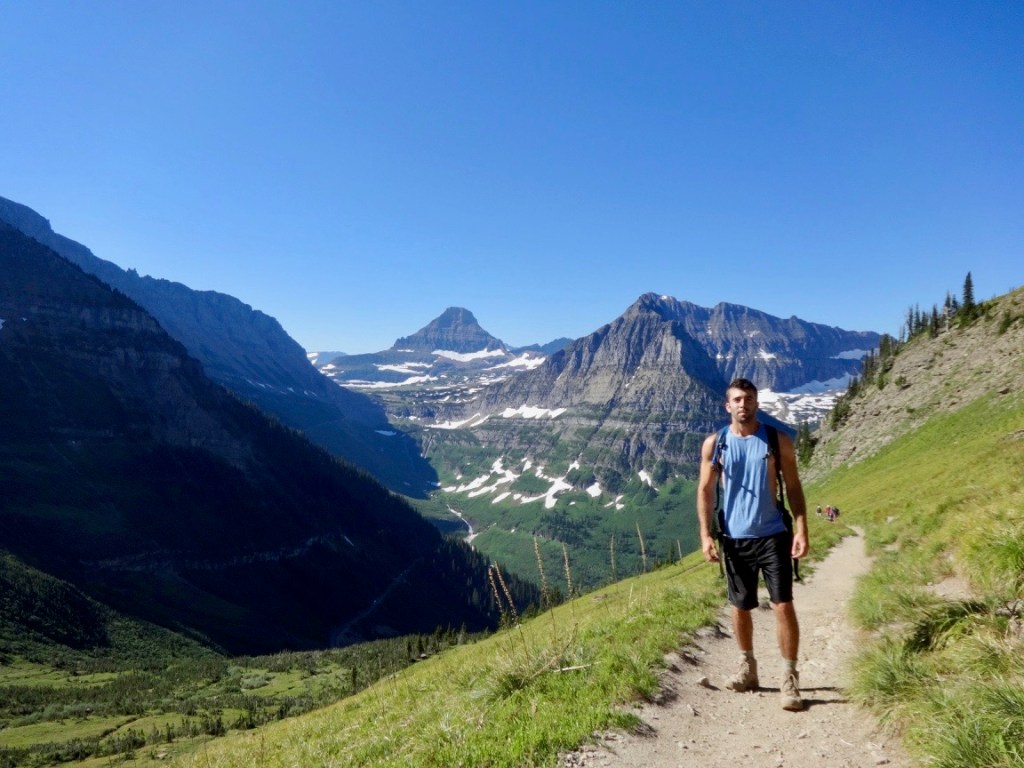

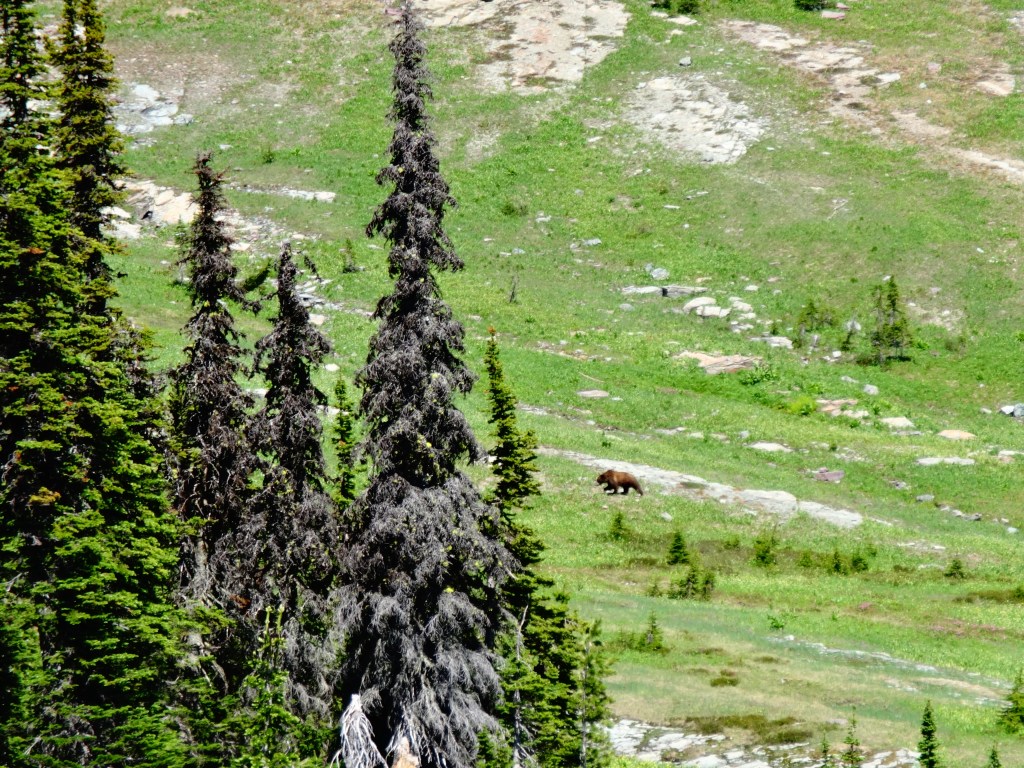
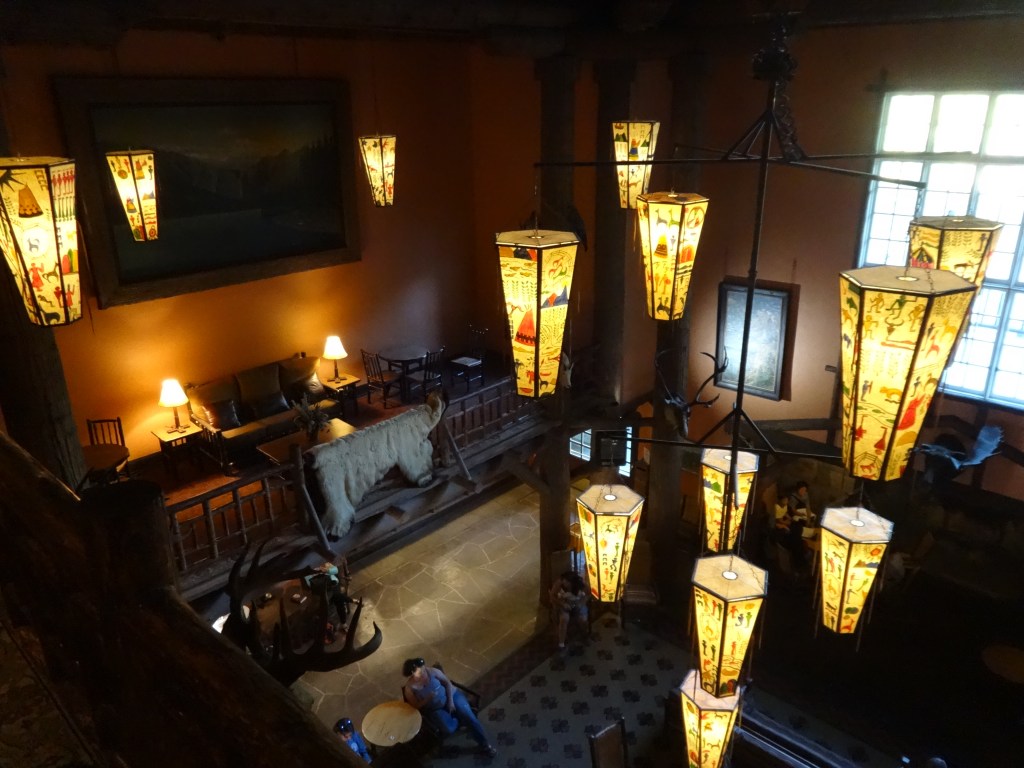


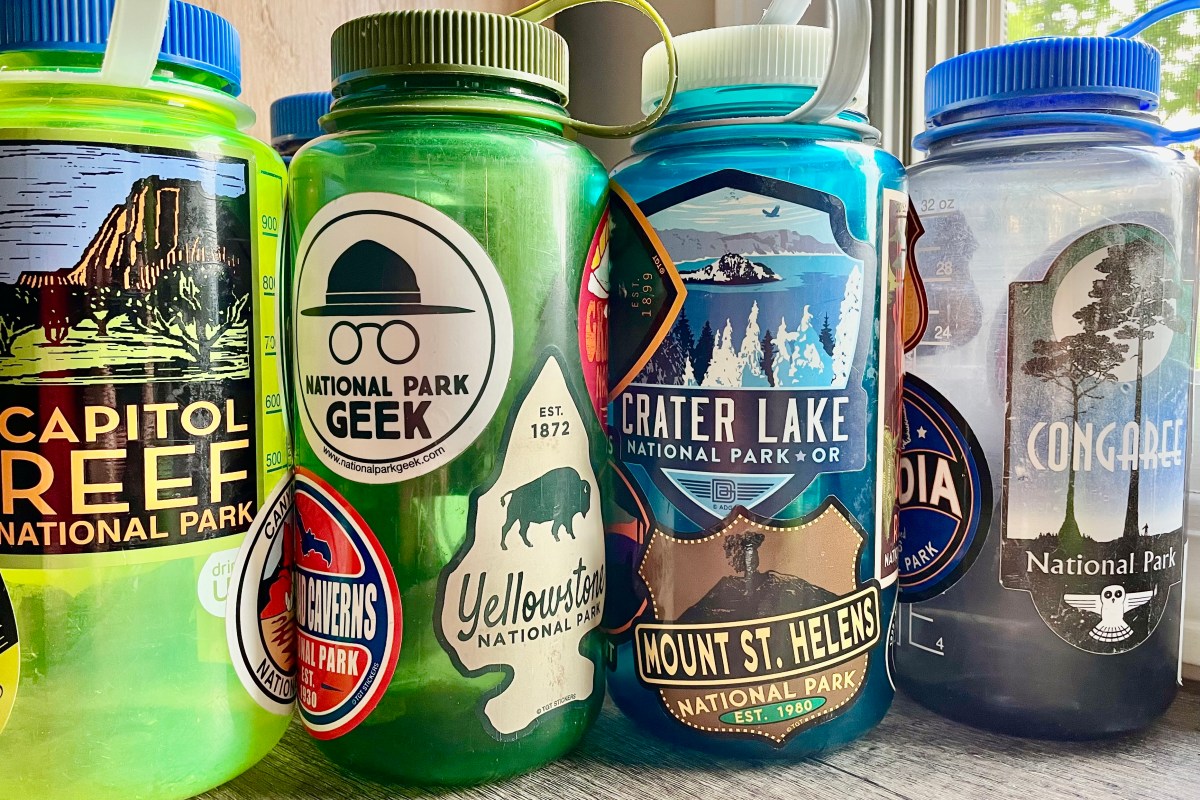


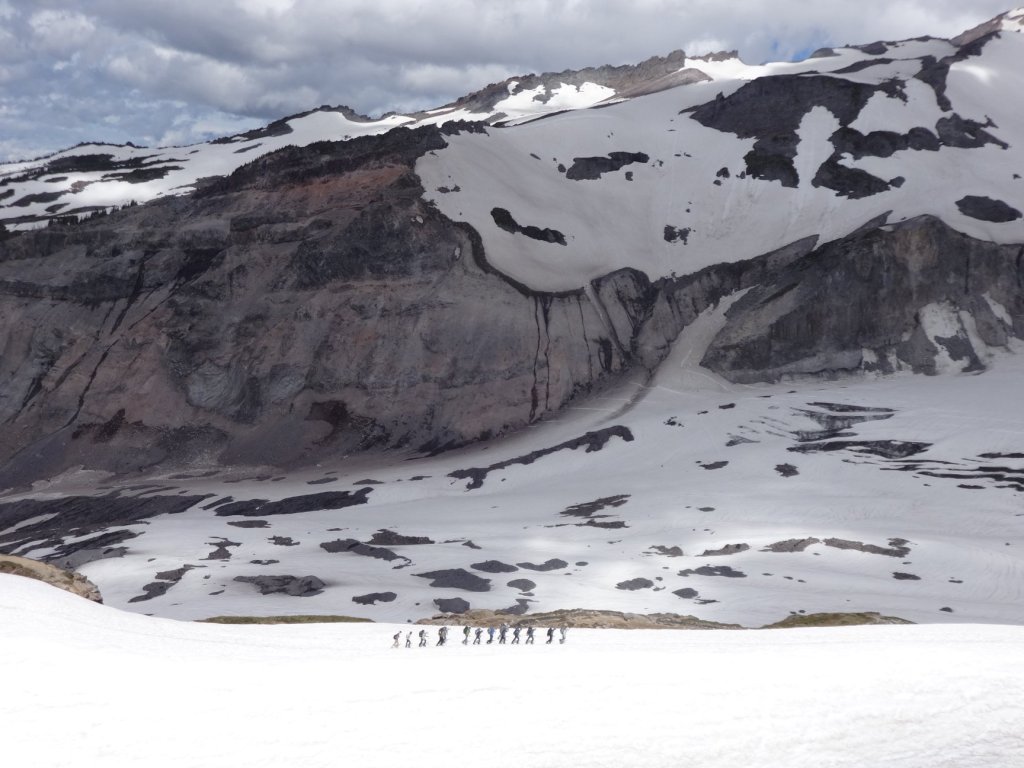
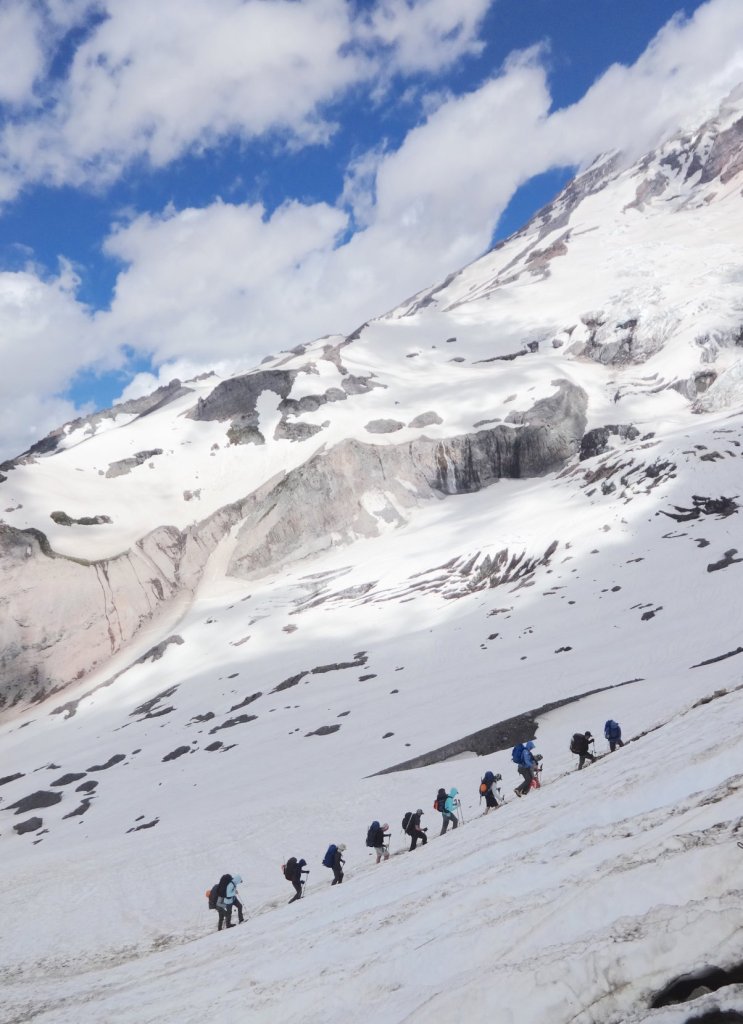

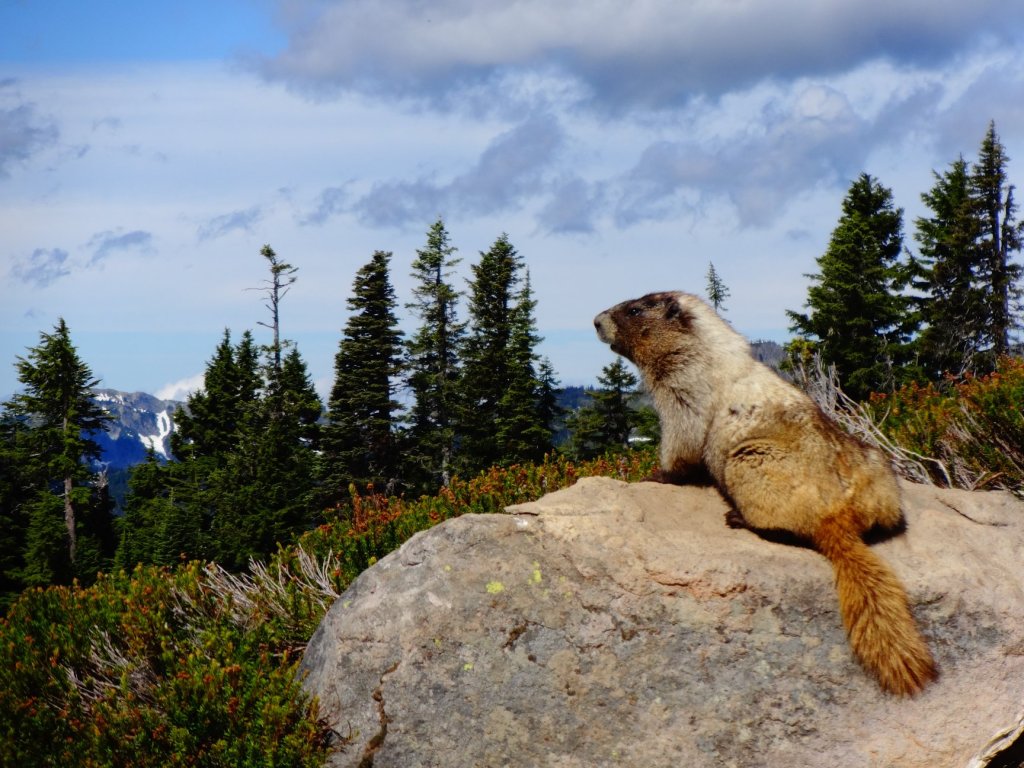

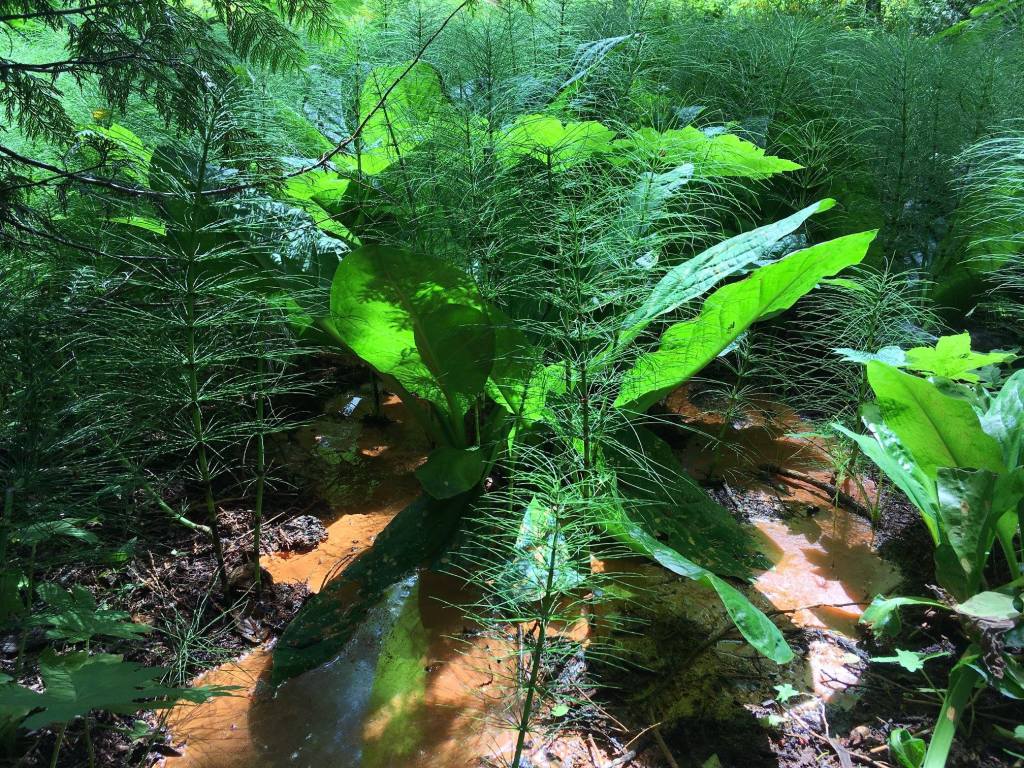


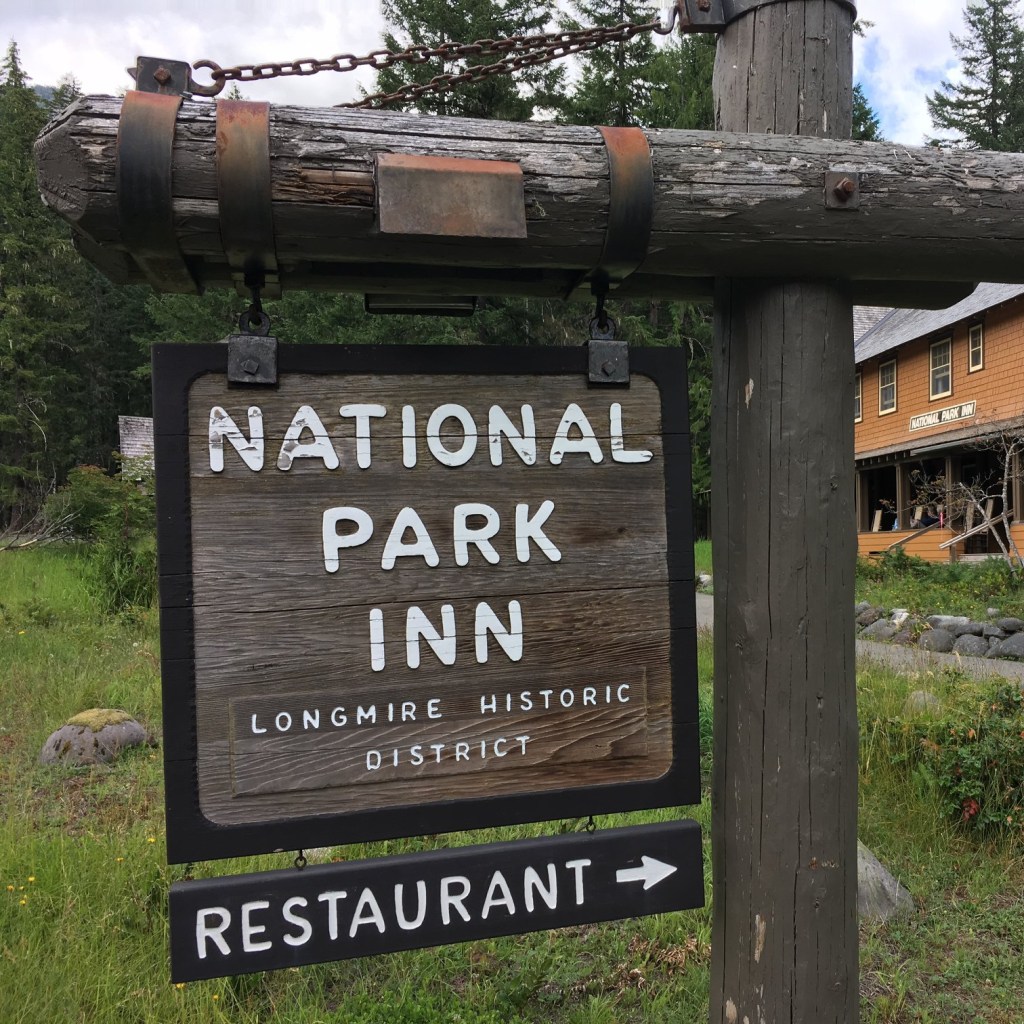


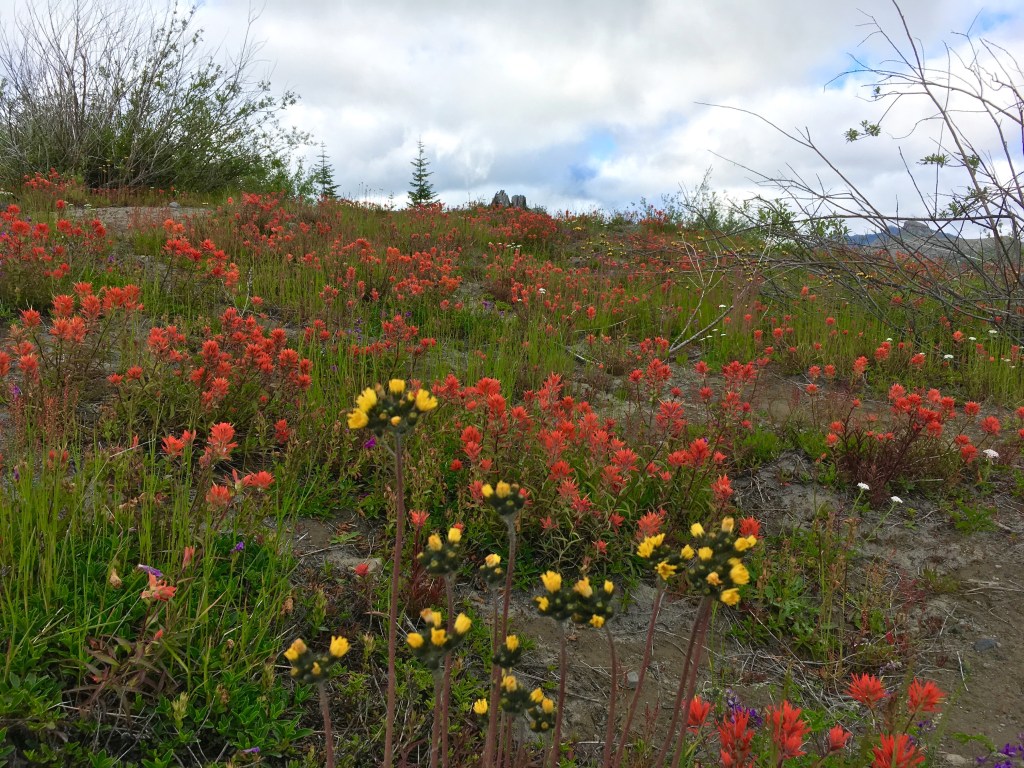


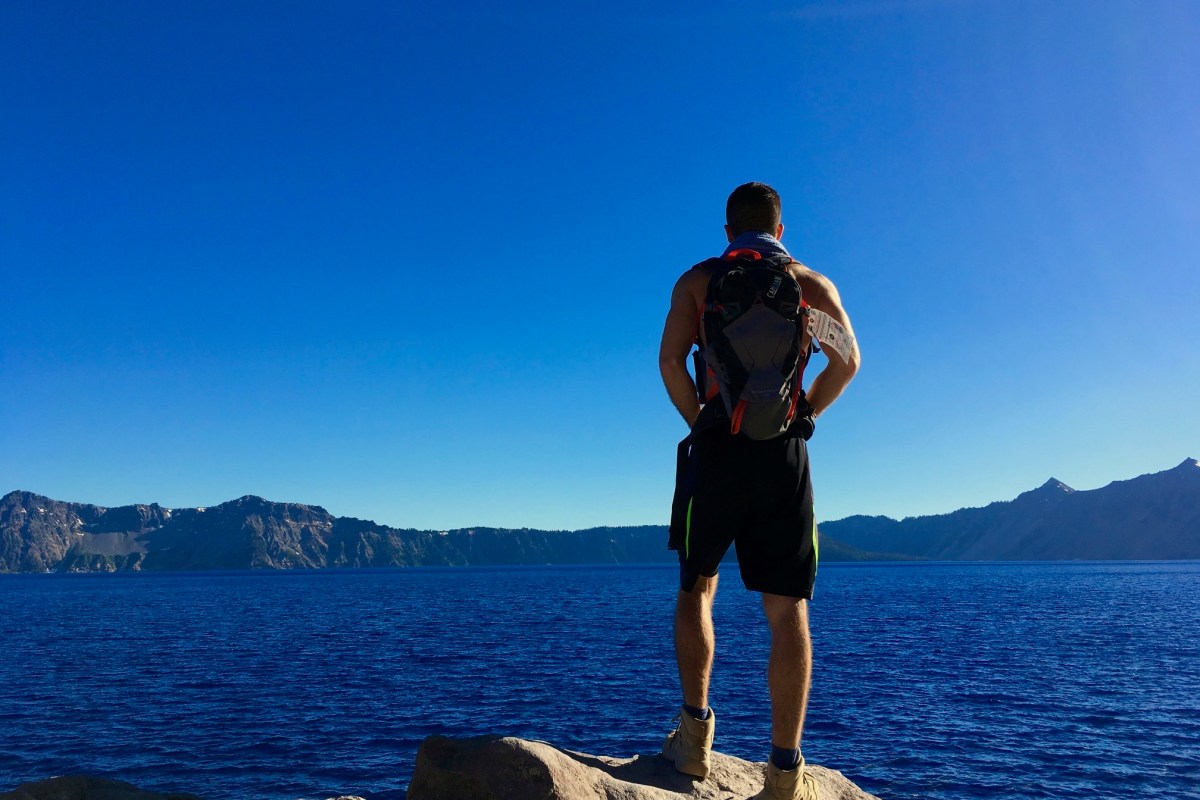

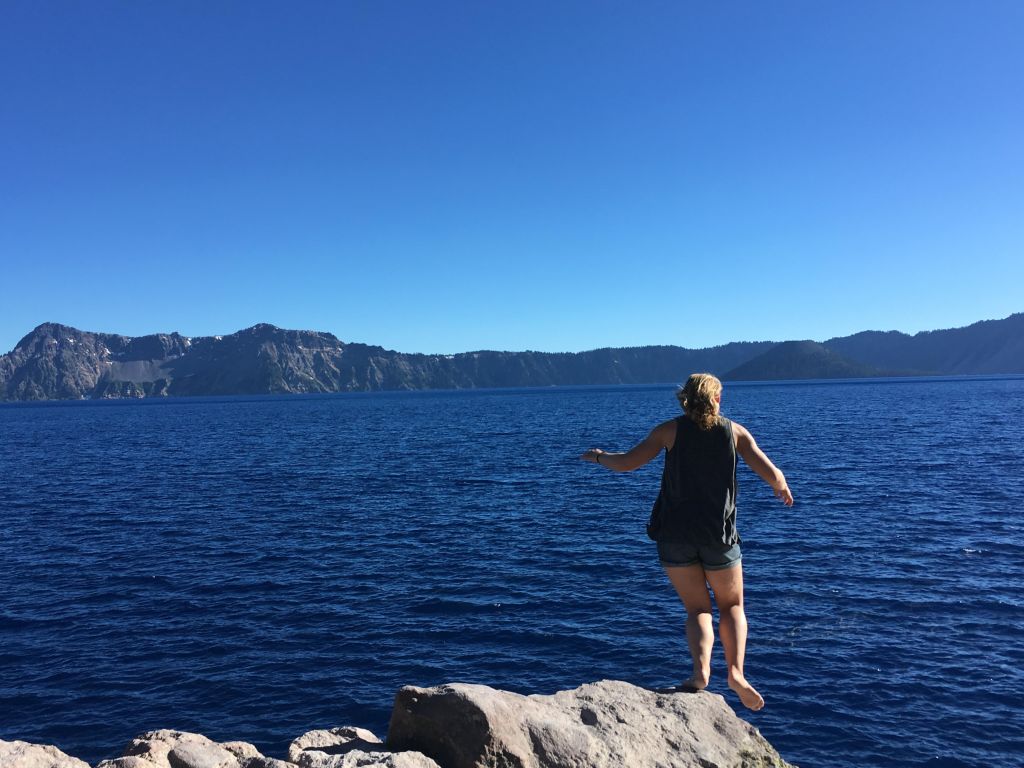
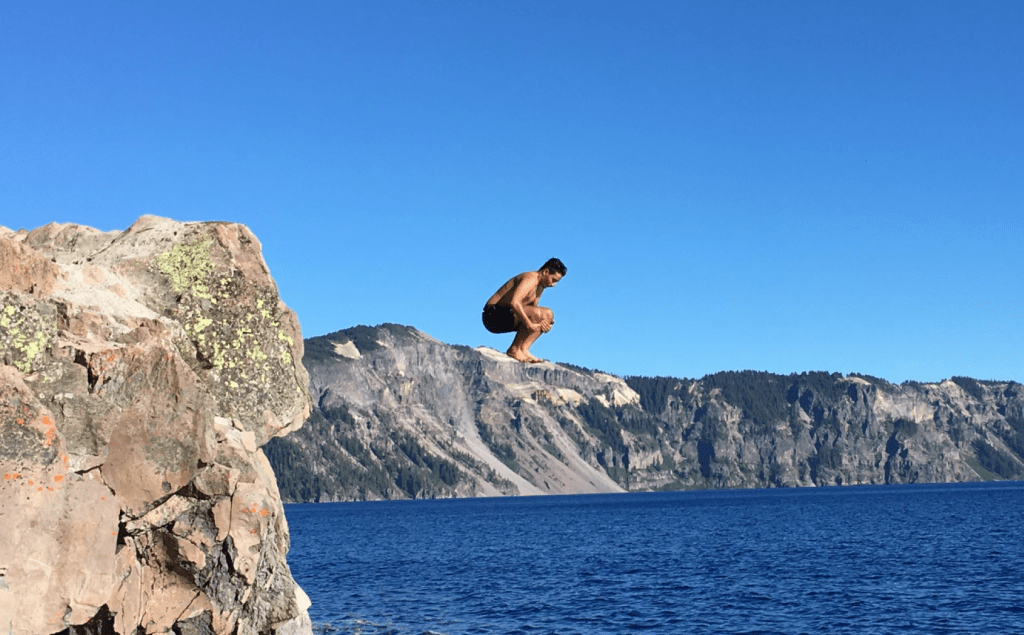

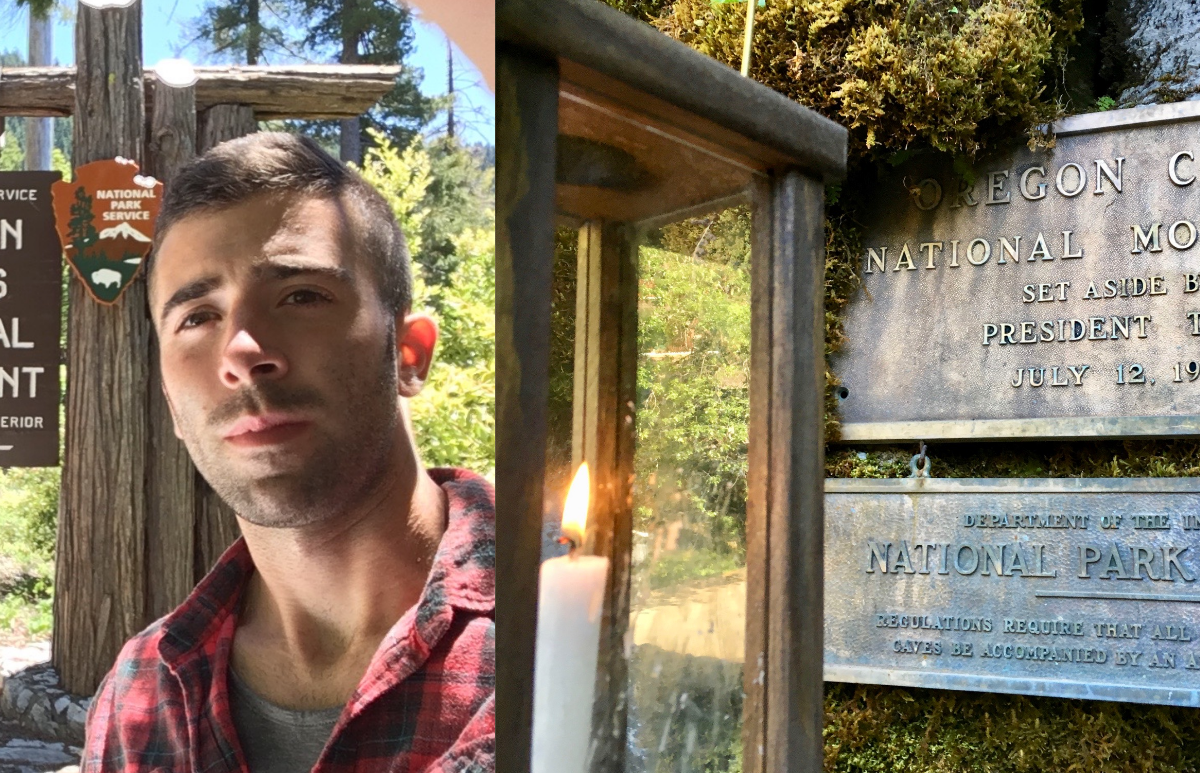
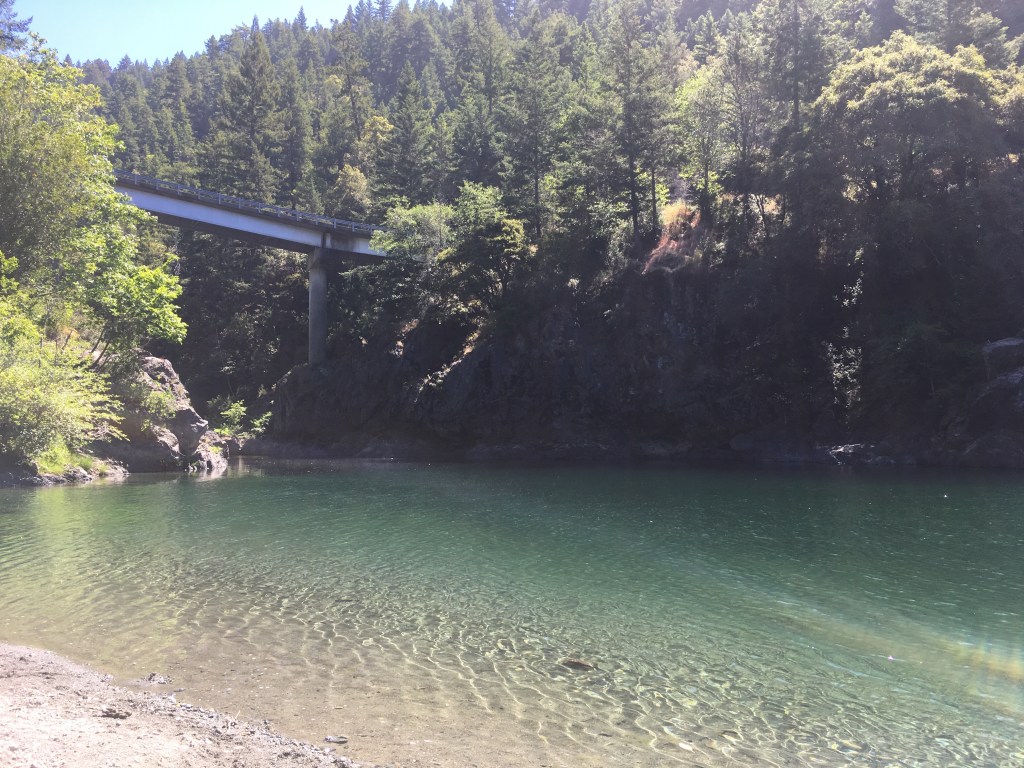

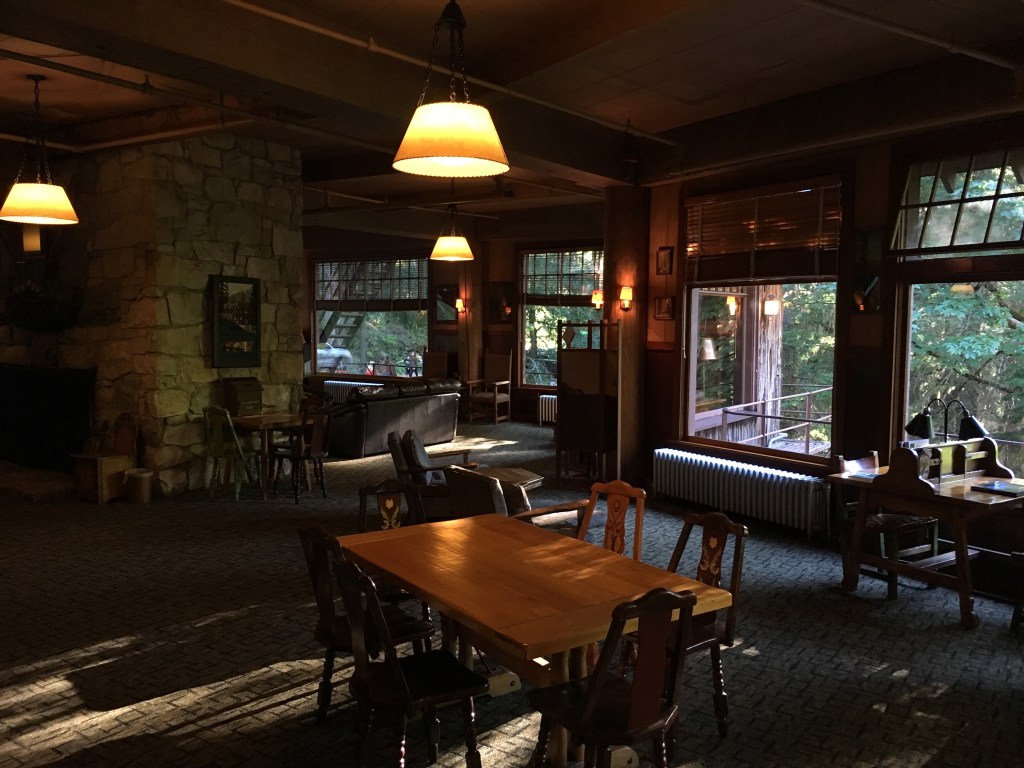
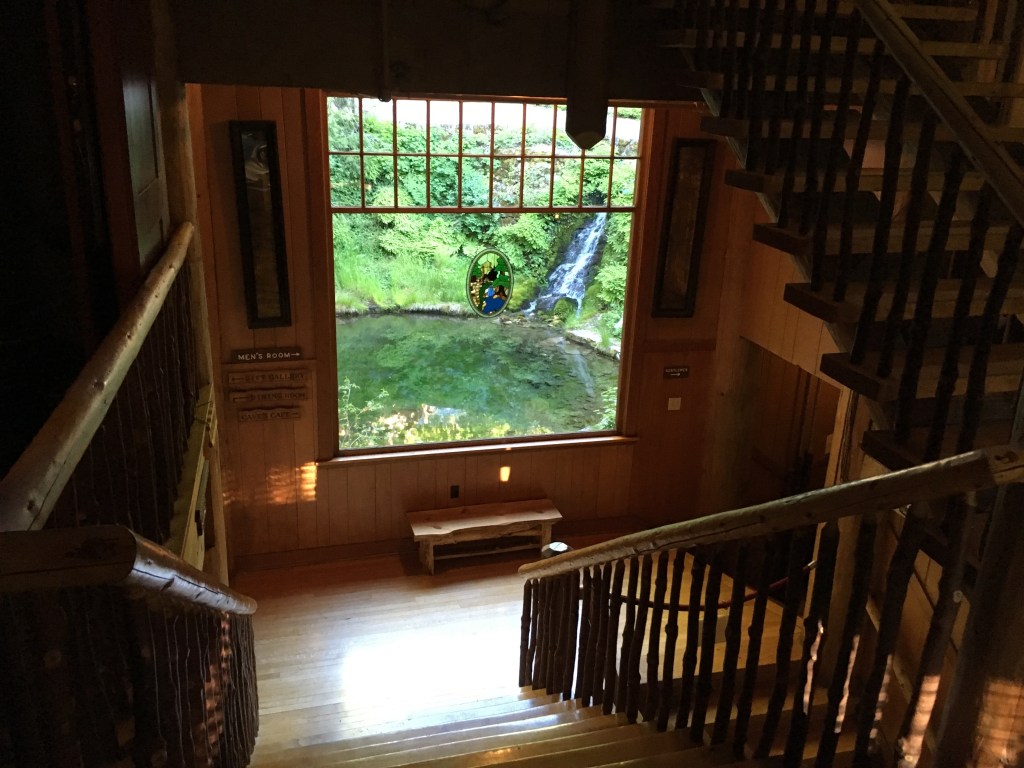

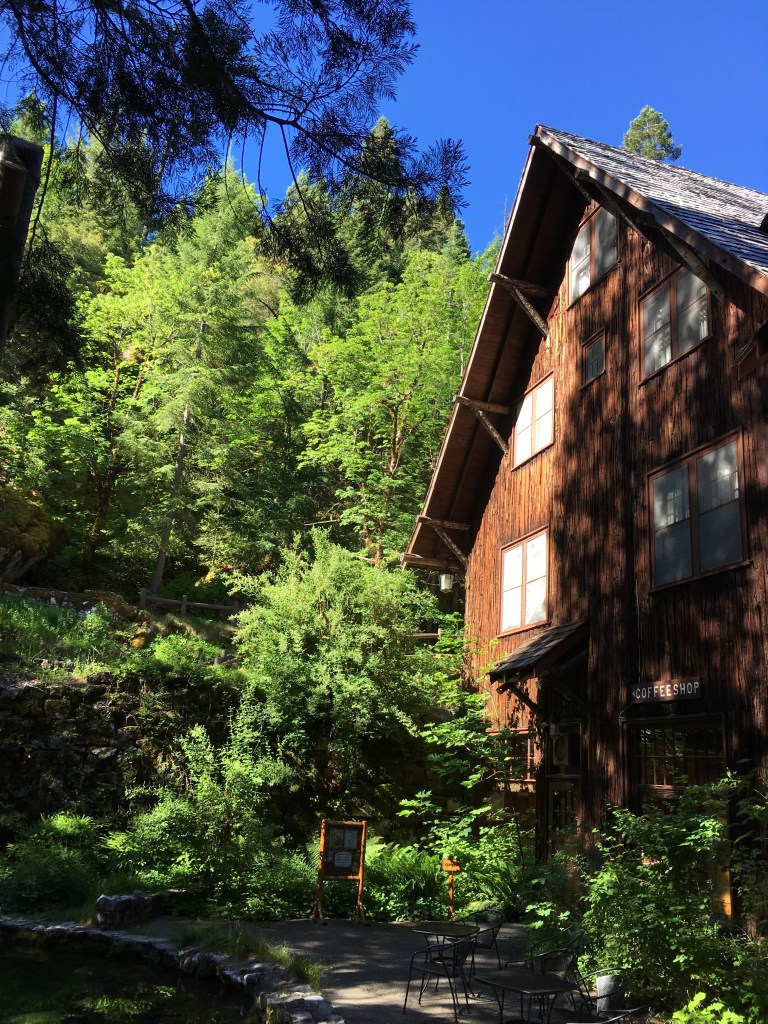


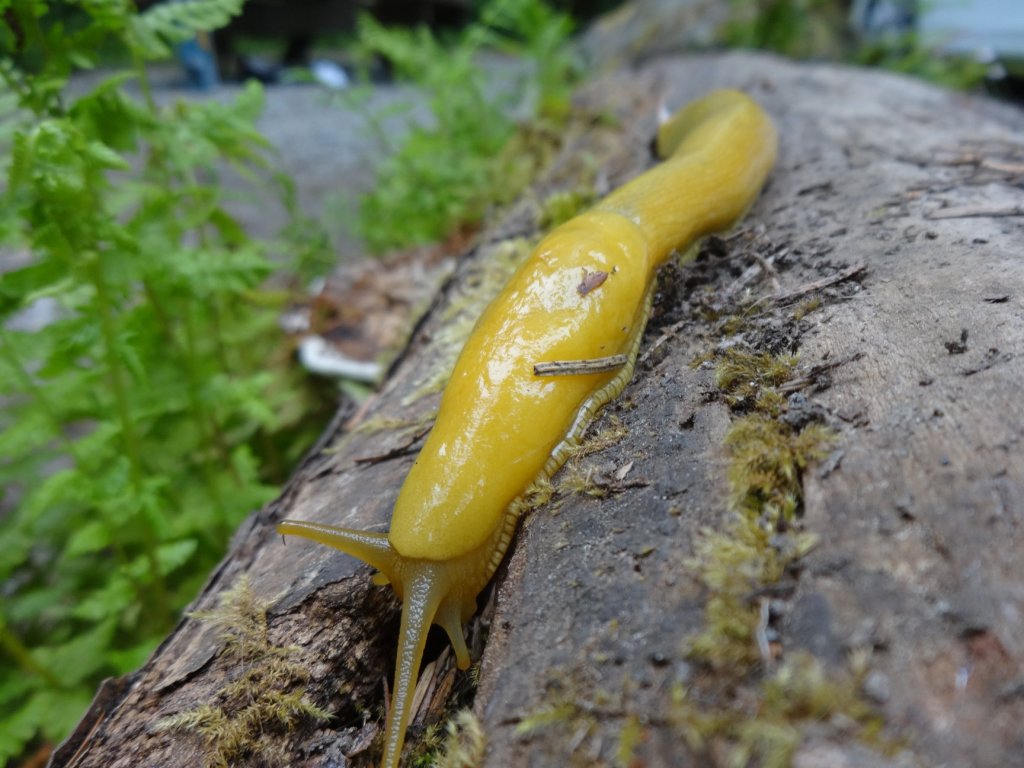

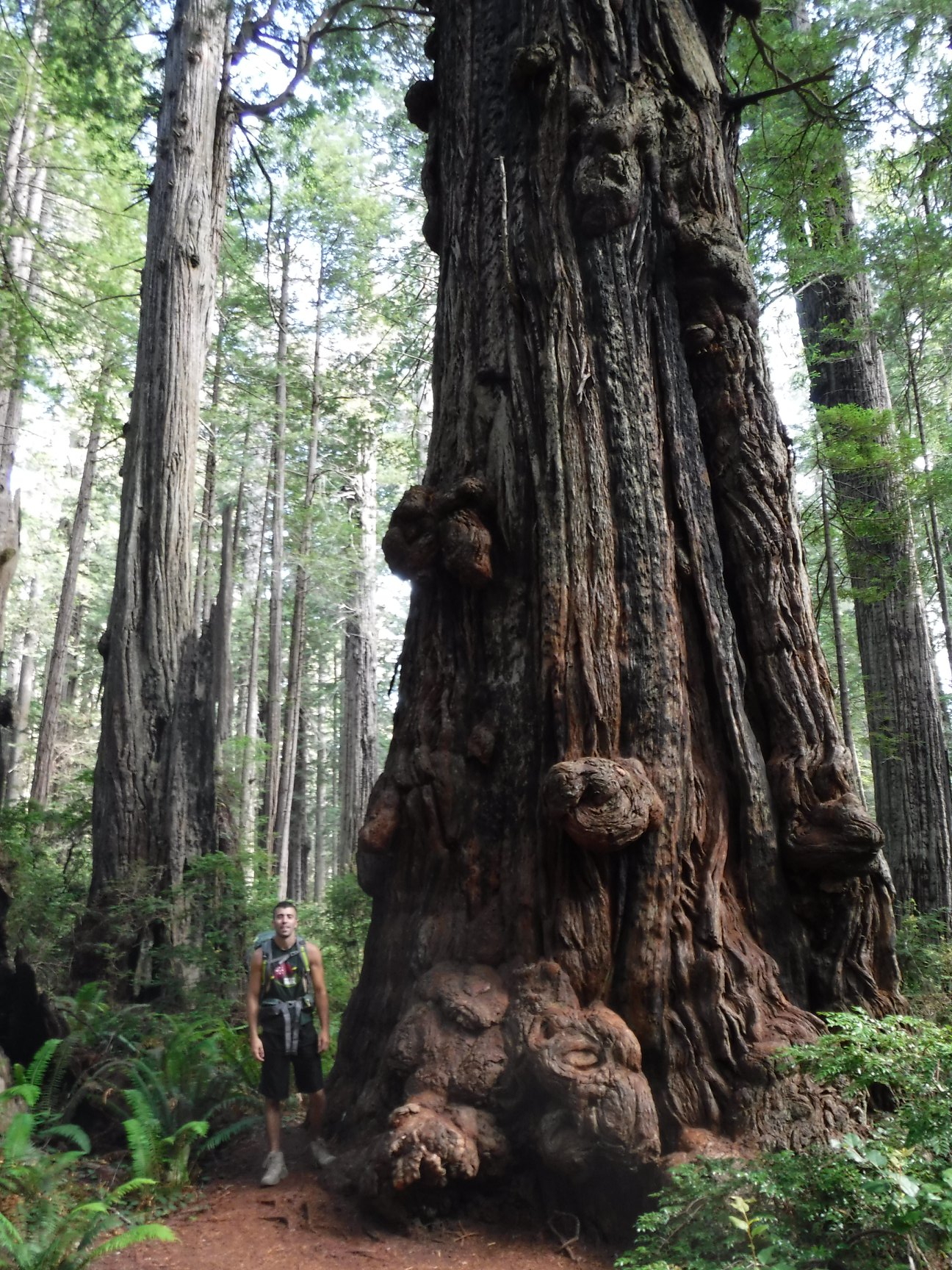
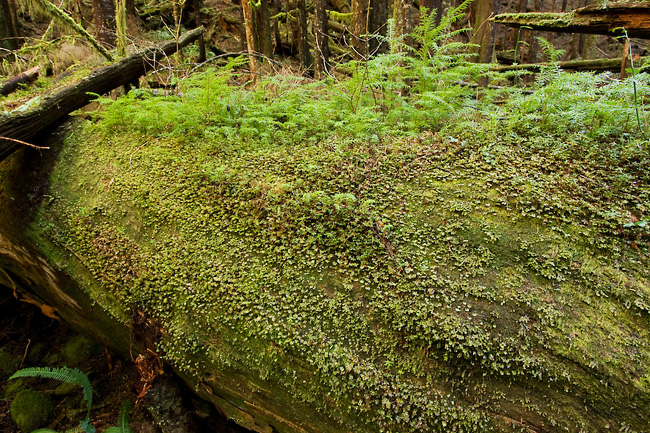



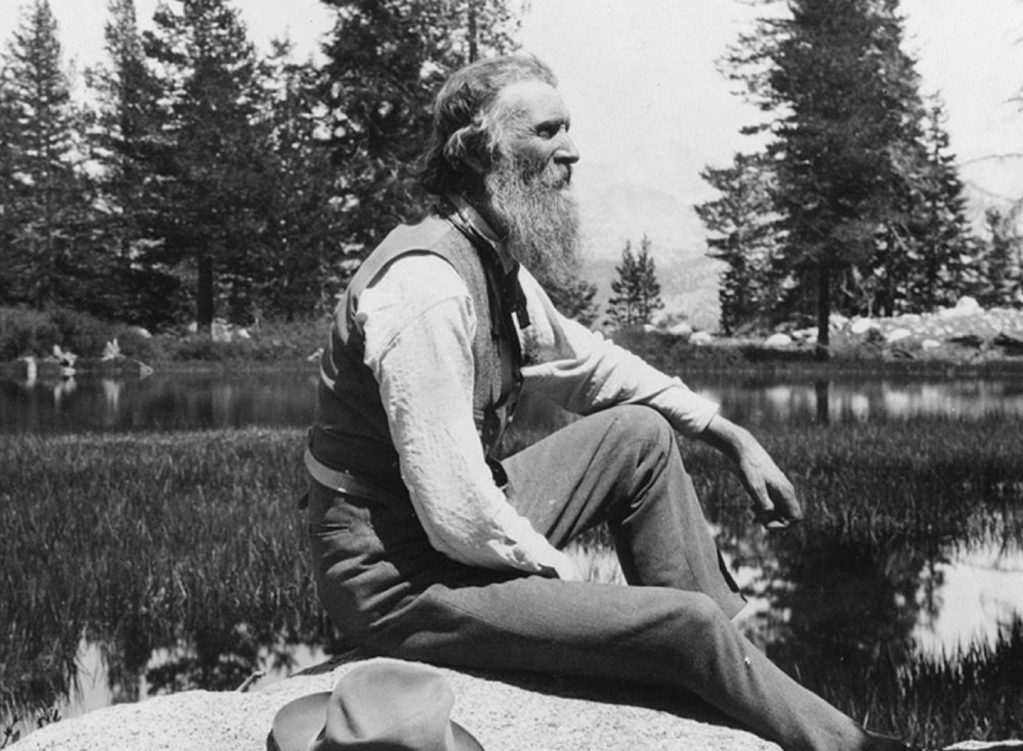
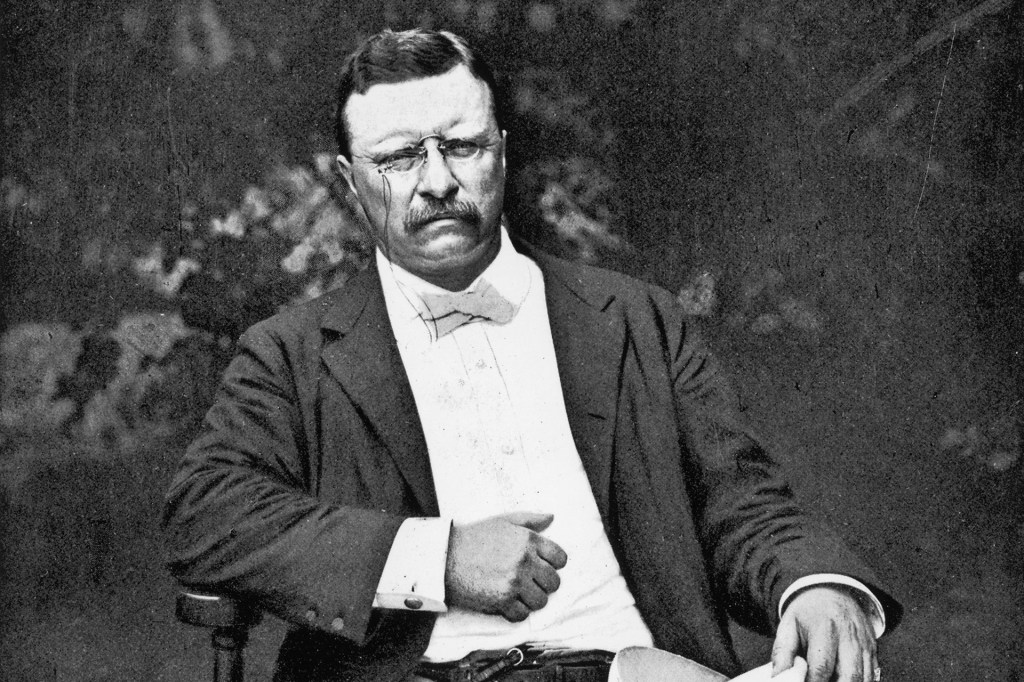


 Josh Hodge blog