
How does classroom management fit into the success of your classroom?
Classroom management is the foundation of student success. It is the intentional balance of structure, relationships, accountability, and organization that creates a safe and productive learning environment.
Maintaining Structure —
In my classroom, I maintain structure, a tight knit lesson, and establish a level of predictability which can avert many behavioral issues. I establish classroom routines and logistical procedures that are clear and purposeful, eliminating anxiety and frustrations with a regular predictability of the flow of class. I post an agenda along with learning targets so students know the order of events
Engagement–
Classroom management is supported by my high level of student engagement. My classes are dynamic, including many teaching methods that universally accommodate and appeal to multiple intelligences. Kagan structures are integrated regularly and seamlessly along with music, acting, dance, art, discussion, and the practice of traditional academic skills.
Teaching and Modeling Desired Behavior —
Because students come from diverse backgrounds, expectations cannot be assumed. I establish authority and clearly communicate, model, and reinforce behavior consistently. My expectations of student conduct are rooted in some core beliefs: I believe every human is inherently valuable and therefore everyone should be treated respectfully and fairly; I believe strongly in personal responsibility and accountability; and I believe honesty, integrity, and stewardship of time and resources are paramount.
Positive Reinforcement and Behavior Consequences–
Desired behavior should be acknowledged when observed, encouraged, and molded through positive reinforcement. When a student’s behavior falls outside of my communicated expectations, I address that behavior promptly and specifically, while preserving the student’s dignity. Consequences are behavior specific and productive to the learning process. Failing to follow through on expectations undermines consistency and credibility. I have regularly used my own version of “Teacher vs.Class”, behavior sticks, class tokens, and Class Dojo. In older grades, such systems should be modified to work on instilling intrinsic motivation and less of behavior conditioning.
Student Teacher Relationships —
Effective classroom management is grounded in strong teacher–student relationships. Students must trust their teacher both personally and academically. I build that trust by consistently keeping my word. A motto that guides my practice is, “a promise to a child is sacred.” Following through, even in small matters, establishes credibility and stability. I also communicate value by holding students to high expectations. High expectations communicate belief in their ability to succeed. I intentionally invest in relationships by learning students’ interests, engaging in meaningful conversations, and supporting extracurricular activities when possible. When students feel seen, valued, and challenged, both behavior and achievement improve.
Building Student Confidence —
I believe the greatest level of classroom management is achieved when students believe strongly in their own capabilities. I challenge students academically while providing the support structures necessary to ensure success. This builds confidence, and confidence leads to better performance both academically and behaviorally.
Deescalation Techniques —
In challenging situations, my goal is to deescalate behavior, preserve student dignity, and maintain fairness for the entire class. I employ student-specific tailored techniques, including framing things by choices, both of which are productive towards the learning target, redirection, eliminating sensory stimuli, and truly seeking to understand antecedents to behaviors, through ABC Behavior Documentation. Also quick and direct self-reflective questions can help students reset.
Communication and Collaboration with Colleagues and Parents —
Communication with parents should begin before issues arise. I make it a point to regularly contact parents about positive attitudes and accomplishments. This builds trust and establishes an open line of communication before concerns arise. Communication between colleagues to collaborate and address issues is very valuable as well. I am all about teaming up with other teachers, counselors, and administrators to help ensure behavioral growth.
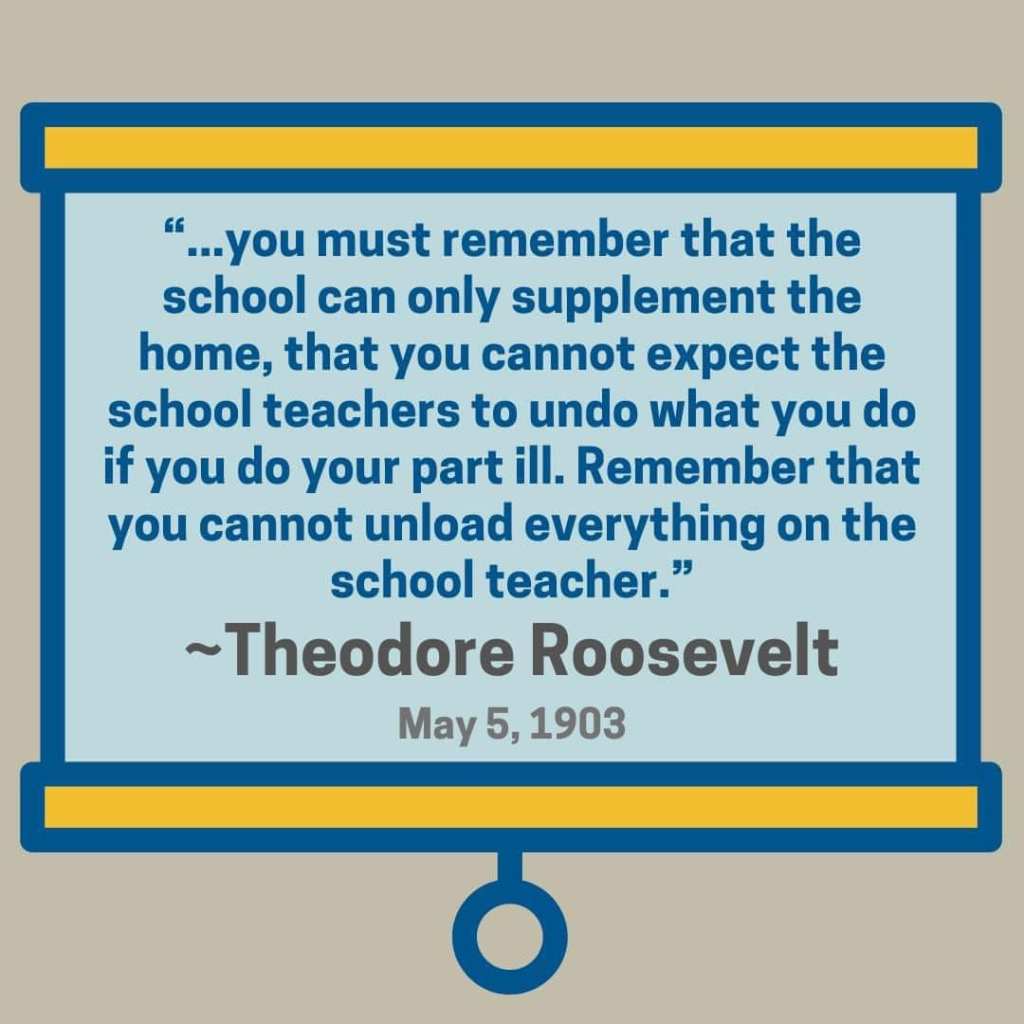
Student Accountability —
Another important aspect of classroom management is accountability within the lesson. In my lessons, this is seen with beginning class practice or “bell-ringers”; a 3-2-1 Gradual Release of Responsibility (GRR) model, and daily formative assessments through “exit slips.” In my class, students know there is something to prove, a target to reach, or a product to produce.
Physical Organization —
Physical organization also supports effective management. Materials are accessible and organized to reduce distractions and streamline transitions. A clean, strategically arranged classroom promotes focus and facilitates student success. Also the placement of students, whether in groups or individual assignments, should be strategic to maximize classroom management.
 Josh Hodge blog